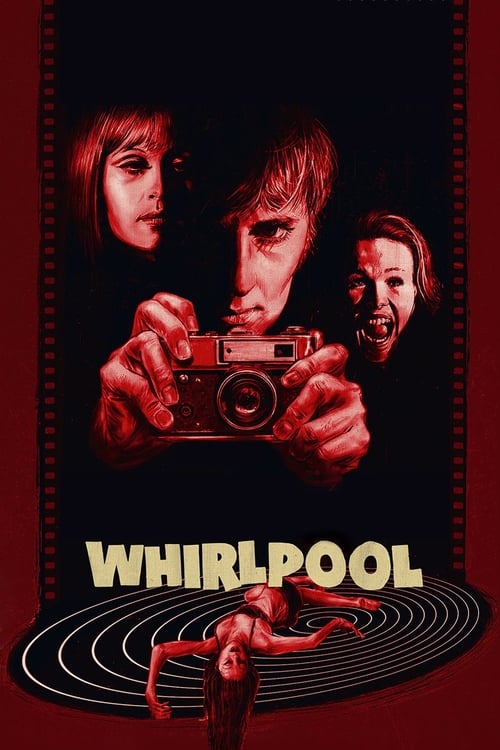
Whirlpool
1970
No user ratings available yet
Diversity score: 3.4 out of 10
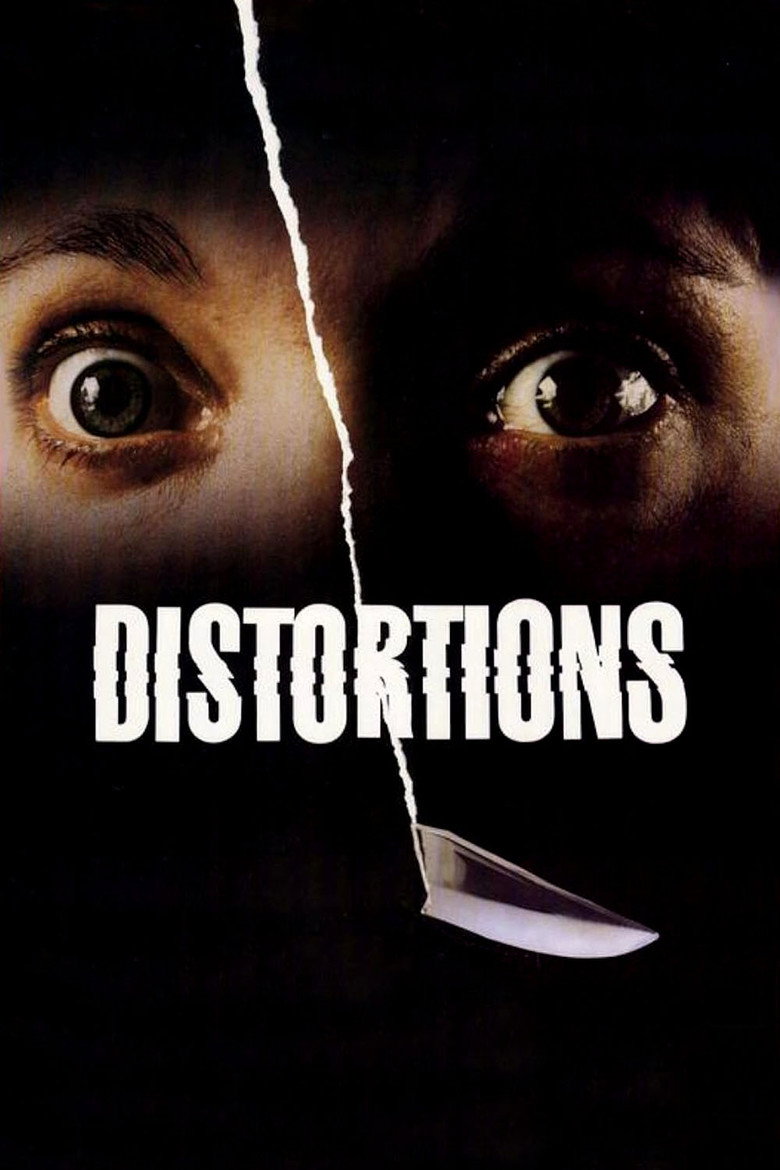
1987
PG-13Director
Armand Mastroianni
Runtime
98 minutes
Average Rating
No ratings yetSynopsis
A man goes to speak with a gigolo and is promptly beaten for his trouble. Soon afterward, his wife is told that he burned to death in a car wreck and is shown the body...and that's when she starts seeing strange men at the corner of her vision, while her friend does all she can to convince her she's going insane!
Overall Score
Minimal
Category Breakdown
LGBTQ+ Representation
The film lacks LGBTQ+ characters or narratives addressing non-cisnormative identities. The central conflict is rooted in a traditional heteronormative marital structure.
Gender Representation
A female protagonist drives the psychological conflict, though her agency is undermined by gaslighting tropes. The story relies on the 'hysterical woman' archetype common in genre cinema.
Racial & Ethnic Diversity
There is no indication of a diverse or non-Anglo-Saxon majority cast. The narrative focuses on a singular domestic tragedy without ethnic intersectionality.
Religious & Cultural Diversity
The story operates within a conventional Western framework of domesticity and mourning. It focuses on individual psychological stability rather than systemic or institutional critiques.
Disability Representation
The film touches on mental health and perceived psychological instability. It remains unclear if neurodivergence is portrayed with agency or used as a horror plot device.
Strengths
Areas for Improvement
AI Analysis
Distortions is a conventional 1980s psychological thriller that prioritizes genre tropes over social exploration. The narrative centers on a woman's grief and her struggle to maintain her sense of reality against a social circle that questions her sanity. The film lacks intersectional depth, offering no visible markers of racial, ethnic, or LGBTQ+ representation. It functions primarily as a study of individual trauma within a standard Western domestic setting. While the female lead is the focal point, the film utilizes her psychological distress as a primary driver, often leaning into traditional gendered tropes of instability.
No reviews yet. Be the first to share your thoughts on this movie!
Use the rating form above to leave a star rating and optional review.