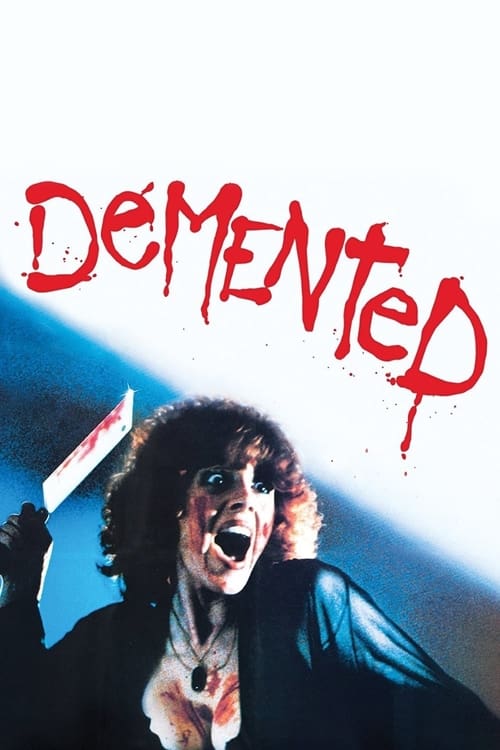
Demented
1980
No user ratings available yet
Representation score: 2.7 out of 10

Representation Score
Limited
1982
RDirector
William Byron Hillman
Runtime
95 minutes
Average Rating
No ratings yetNew Showbiz Analysis
Double Exposure is a product of its era, adhering strictly to the psychological horror and crime thriller conventions of the early 1980s. The narrative structure prioritizes individual trauma and genre-driven tension over social representation or the disruption of established hierarchies. The film relies heavily on traditional formulas, particularly regarding gender and mental health. The female characters are largely relegated to the role of objects for the protagonist's gaze, while his descent into insanity serves the plot's horror elements rather than providing a meaningful look at mental health. Ultimately, the film lacks depth in reflecting multiple aspects of identity. It operates within a homogeneous, Western framework that does not challenge institutional structures or offer diverse perspectives on identity.
Category Breakdown
The film focuses on a male photographer and his female models. There is no evidence of non-straight or non-cisgender identities, nor does it critique the assumption that everyone is straight or cisgender.
The story centers on a male protagonist's psychological descent. Female characters primarily serve as subjects of the male gaze, following conventional genre clichés rather than demonstrating significant roles in driving the story.
The narrative follows a standard Western thriller framework. There is no indication of a non-white majority cast or casting that disrupts historical norms.
The film focuses on individual madness and morality within a horror framework. It does not engage with anti-Western critiques or prioritize secularism as a central theme.
The protagonist's mental health crisis functions primarily as a plot device for horror. This risks utilizing the 'madman' cliché rather than offering a nuanced exploration of neurodivergence.
Present on Screen
Limited or Absent
Official Synopsis
A photographer for a men's magazine is haunted by disturbing dreams, in which he slaughters his models. When he learns that these models are dying in real life as they did in his dreams, he begins to go insane.
1980
1990
1966
1996
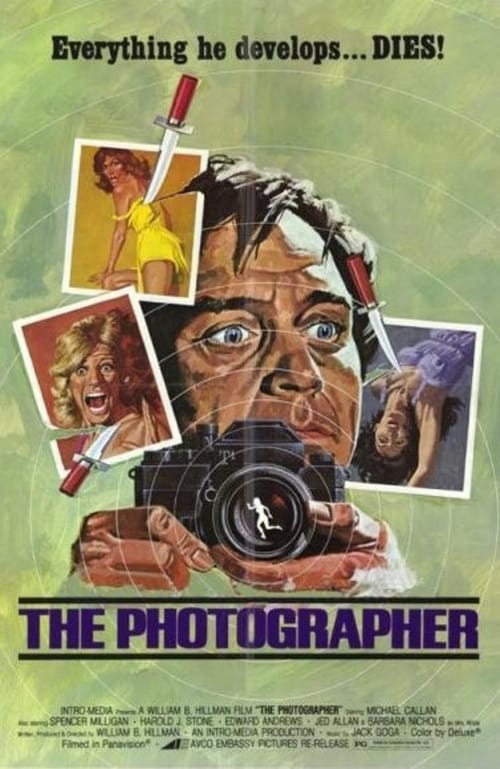
1974
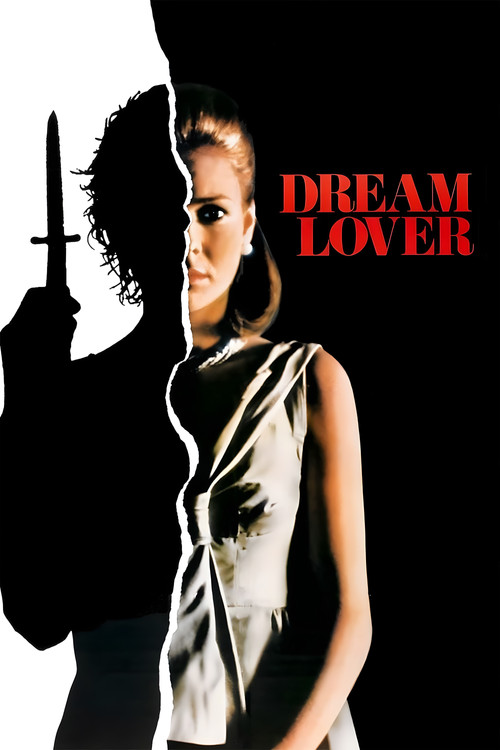
1986
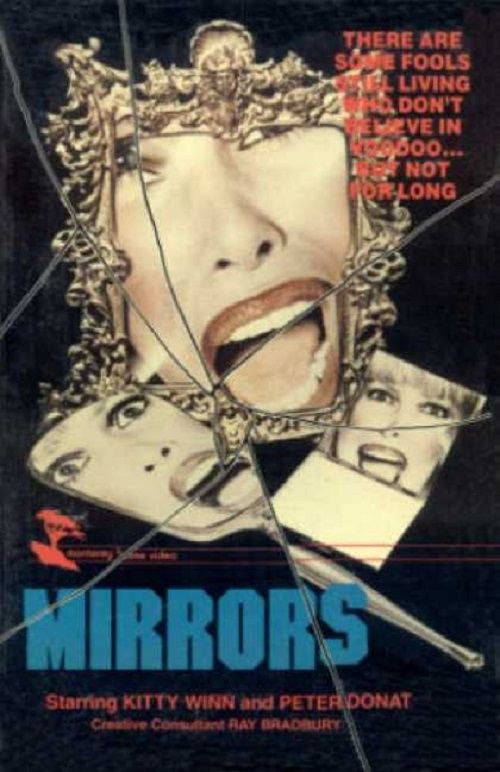
1978
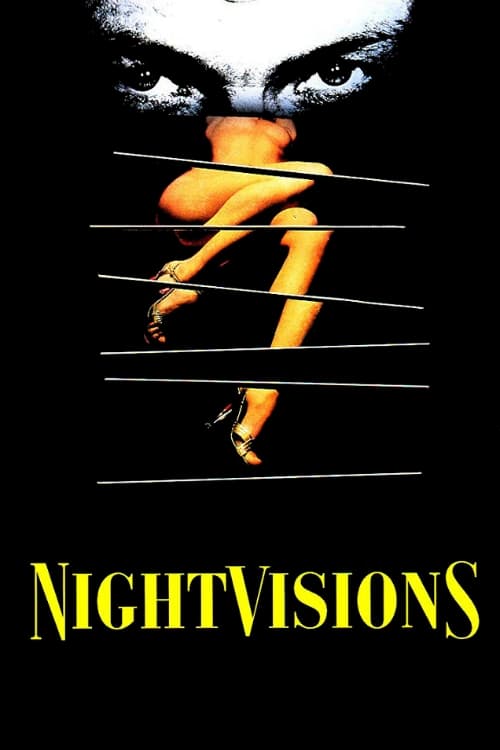
1990
No reviews yet. Be the first to share your thoughts on this movie!
Use the rating form above to leave a star rating and optional review.