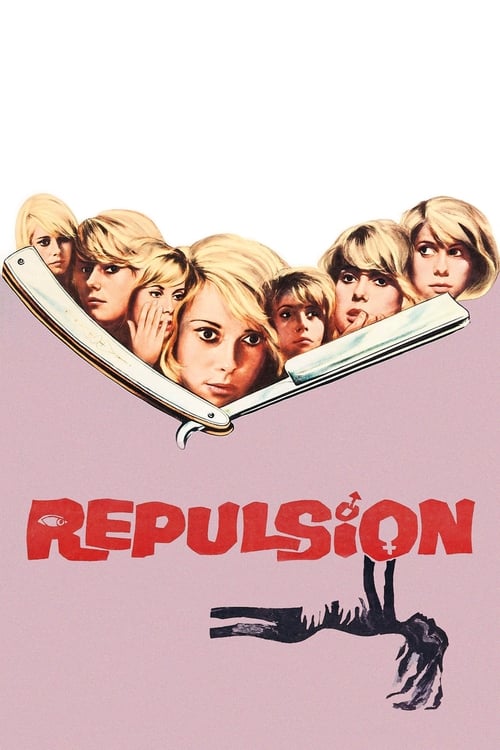
Repulsion
1965
No user ratings available yet
Representation score: 3.5 out of 10

Representation Score
Fair
1972
RDirector
Robert Altman
Runtime
101 minutes
Average Rating
No ratings yetNew Showbiz Analysis
Robert Altman’s *Images* is a sophisticated psychological study that prioritizes a woman's inner life and the deconstruction of subjective reality. It succeeds in challenging traditional gender roles by placing a woman's psychological struggle at the center of the narrative structure. However, the film remains limited by its demographic homogeneity. The lack of racial and LGBTQ+ diversity reflects the mainstream social structures of 1972, resulting in a narrow social landscape that focuses almost exclusively on a white, middle-class experience. Ultimately, the film's progressive value lies in its intellectual refusal to provide a clear moral structure. It trades overt identity-based representation for a profound interrogation of the self and the breakdown of communal cohesion.
Category Breakdown
The film focuses on traditional romantic relationships and internal struggles without representing any non-cisgender identities or narratives that question these norms.
The narrative centers on a woman's subjective experience and intellectual journey, subverting traditional gender roles by depicting male figures as sources of confusion rather than protectors.
The cast is predominantly white and middle-class, reflecting the era's social landscape. The film presents a homogeneous environment to emphasize the protagonist's isolation.
Altman challenges conventional social orders by presenting a fragmented, subjective reality. The film critiques traditional Western social structures as sites of paranoia and alienation.
The film offers a raw depiction of mental health instability and hallucinations, avoiding sanitized clichés by focusing on the terrifying, non-linear reality of a fracturing mind.
Present on Screen
Limited or Absent
Official Synopsis
While holidaying in Ireland, a pregnant children's author finds her mental state becoming increasingly unstable, resulting in paranoia, hallucinations, and visions of a doppelgänger.
1965
1971
2000
1964

1990
1944
2008

1961
No reviews yet. Be the first to share your thoughts on this movie!
Use the rating form above to leave a star rating and optional review.