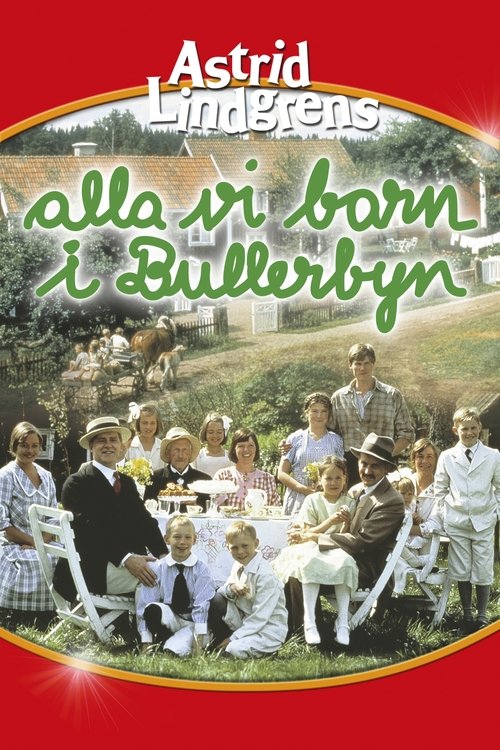
The Children of Noisy Village
1986
No user ratings available yet
Diversity score: 3.0 out of 10
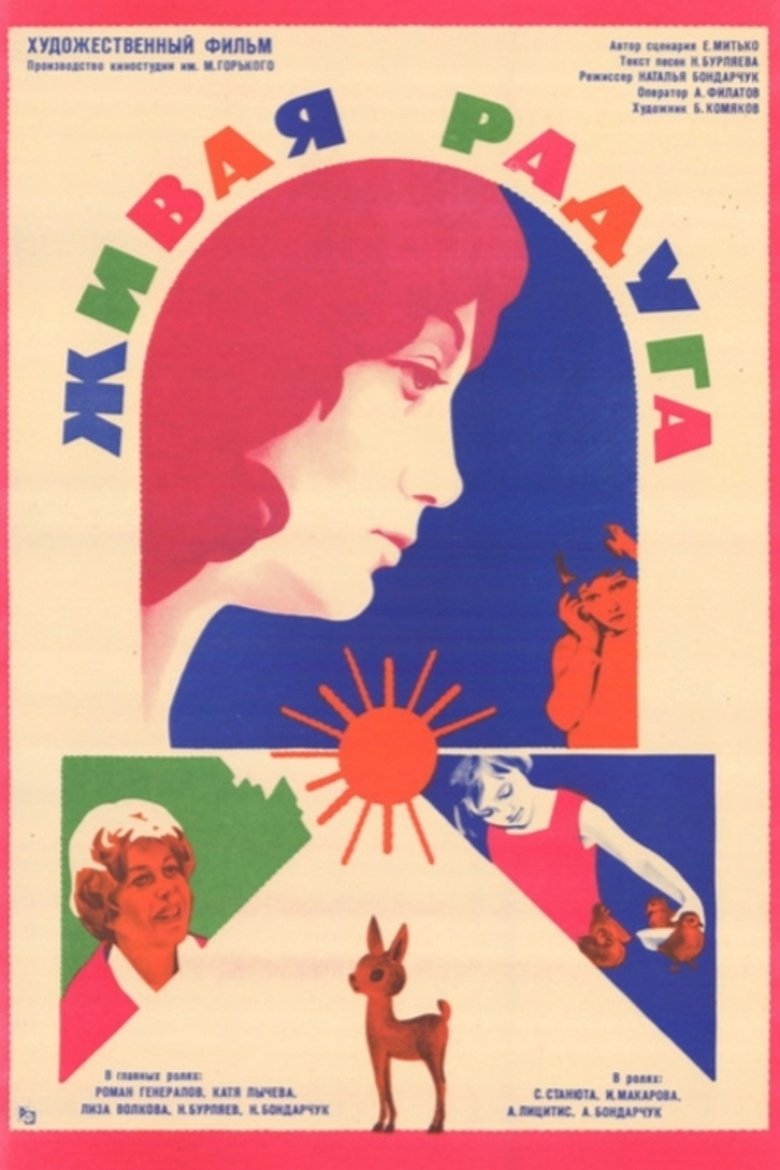
1985
Director
Natalya Bondarchuk
Runtime
67 minutes
Average Rating
No ratings yetSynopsis
A funny story based on Nikolai Nosov novels for children.
Overall Score
Limited
Category Breakdown
LGBTQ+ Representation
The film adheres to the heteronormative social structures of the 1985 Soviet era. There is no evidence of queer narratives or non-cisnormative gender identities within this adaptation.
Gender Representation
Female characters likely demonstrate agency within a framework of traditional social roles. The production reflects the conventional gender hierarchies common to mid-1980s cinematic output.
Racial & Ethnic Diversity
Casting likely reflects a relatively homogeneous Slavic demographic. The film focuses on universalized childhood experiences rather than prioritizing diverse ethnic intersections or race-bent casting.
Religious & Cultural Diversity
The narrative emphasizes collective social values and moral growth. It promotes a state-aligned moral idealism rather than the subjective or anti-institutional narratives found in modern cinema.
Disability Representation
Disability is not explored through a lens of systemic empowerment or complex identity. In this era of family cinema, such traits were often treated as secondary or inspirational.
Strengths
Areas for Improvement
AI Analysis
Living Rainbow functions within a traditionalist framework designed for moral instruction and social stability. It reflects the specific pedagogical and social constraints of the mid-1980s Soviet era. The film lacks the intersectional complexity and subversion of hierarchies found in more progressive media. Instead, it prioritizes the whimsical, moralistic themes inherent in Nikolai Nosov’s children's literature. Ultimately, the production serves as a product of its time, focusing on community cohesion and universalized childhood adventures rather than diverse or marginalized perspectives.
1986
1989
1990
1987

1972
2001
2010
2017

2012
2018
1982
1957
No reviews yet. Be the first to share your thoughts on this movie!
Use the rating form above to leave a star rating and optional review.