
Kouzla králů
2008
No user ratings available yet
Representation score: 2.5 out of 10
Representation Score
Limited
2018
Director
Zdeněk Zelenka
Runtime
0 minutes
Average Rating
No ratings yetNew Showbiz Analysis
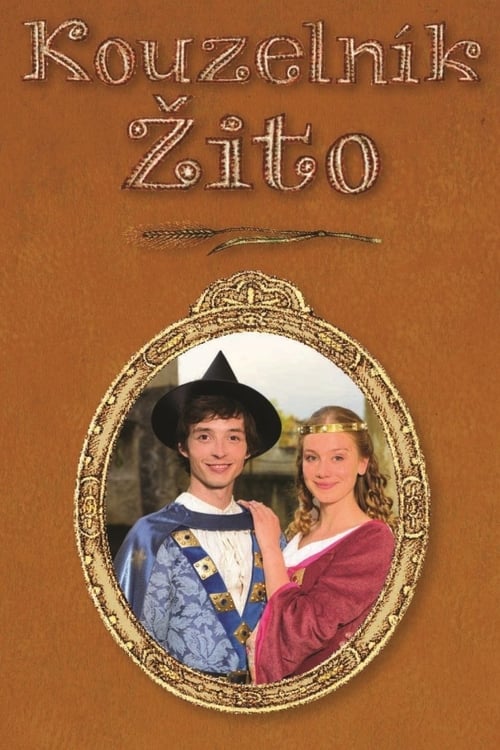
Kouzelník Žito operates as a traditional moral fable grounded in classical storytelling archetypes. While the protagonist exhibits progressive ability to act by rebelling against unjust authority, the narrative structure remains firmly within conventional social frameworks. The film prioritizes established folkloric clichés over modern deconstruction. It focuses on individual virtue and traditional power dynamics rather than multi-layered or subversive representation. Ultimately, the work functions as a localized fantasy emphasizing moral clarity through a standard hero's journey.
Category Breakdown
The film does not include any LGBTQ+ characters or non-straight identities. The romantic tension revolves around traditional heterosexual relationships between Rye and Princess Adelka.
Apolena starts off with early involvement as a herbalist, providing initial ability to act. However, the plot is driven by male-centric conflicts and political maneuvering.
The setting suggests a homogeneous European folk fantasy world. There is no indication of diverse casting or intentional characters who reflect more than one aspect of diversity.
The story critiques systemic injustice and monarchical corruption. These themes are presented through a classic good versus evil moral dichotomy.
There are no visible or invisible disabilities portrayed. No characters are identified as having neurodivergent traits or physical impairments.
Present on Screen
Limited or Absent
Official Synopsis
A tale of a boy whose desire to correct human vices was stronger than the power of hell itself. Apolena, a herbalist, finds an abandoned newborn baby in a rye field. She names him Rye and raises him into a brave young man. Rye is recruited into the king's army and the king's evil advisor, Prince Neklan, orders him to collect taxes from his subjects. Rye learns first-hand how evil and unjust power can be and rebels against it. His sense of justice, joy of life and cleverness charm even Princess Adelka, but he also catches the eye of the devil Philistine, who would like to bring him to hell. So she disguises herself as the beautiful Marquise and tries to lure him to the benefits of evil: he will be rich and famous. But Rye cannot be lured. And so, in addition to Neklan, who is also trying to win Adelka, he must also fight against the power of hell itself.
2008

2011
2020
2009
2015
2014
2013

1983
No reviews yet. Be the first to share your thoughts on this movie!
Use the rating form above to leave a star rating and optional review.