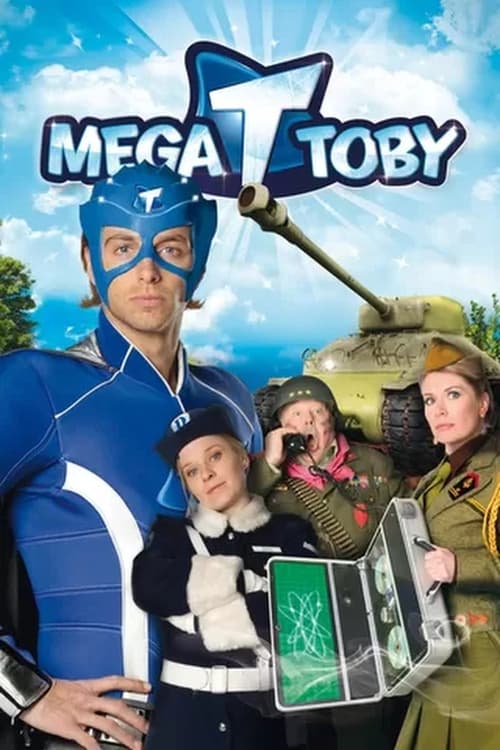
Mega Toby
2010
No user ratings available yet
Representation score: 0.0 out of 10
Representation Score
Limited
2010
GDirector
Cosmo Segurson
Runtime
86 minutes
Average Rating
No ratings yetNew Showbiz Analysis
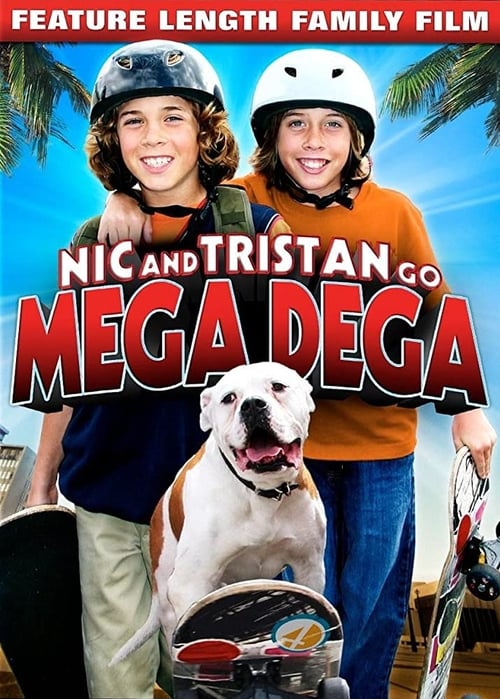
Nic & Tristan Go Mega Dega is a conventional family comedy that functions within narrow demographic parameters. The film relies on established genre clichés and lacks intentionality regarding diverse representation. The narrative reinforces traditional social hierarchies and a homogenous social microcosm. By focusing on a predominantly white, middle-class framework, the film avoids challenging the status quo of gender, race, or identity. Ultimately, the work serves as a standard period piece for youth-oriented media, prioritizing familiar social dynamics over diverse or subversive storytelling.
Category Breakdown
The film follows conventional structures typical of early 2010s family comedies. It doesn't explore non-binary gender identities or queer identities.
The film leans towards established genre expectations and traditional gender clichés. Female characters navigate social hierarchies, but the film doesn't significantly disrupt traditional gender roles.
The production is highly homogeneous. Central characters are depicted within a predominantly white, Anglo-Saxon framework without diverse ethnic perspectives.
The narrative operates within a standard Western, middle-class framework. It reinforces traditional social and familial structures without critiquing Western institutions or cultural norms.
There is no significant presence of characters with visible or invisible disabilities. The story does not engage with neurodivergence or the empowerment of disabled individuals.
Present on Screen
Limited or Absent
Official Synopsis
A day in the life of 10 year old skateboarding twins
2010
1998
2017
2010
2010
2010
2014
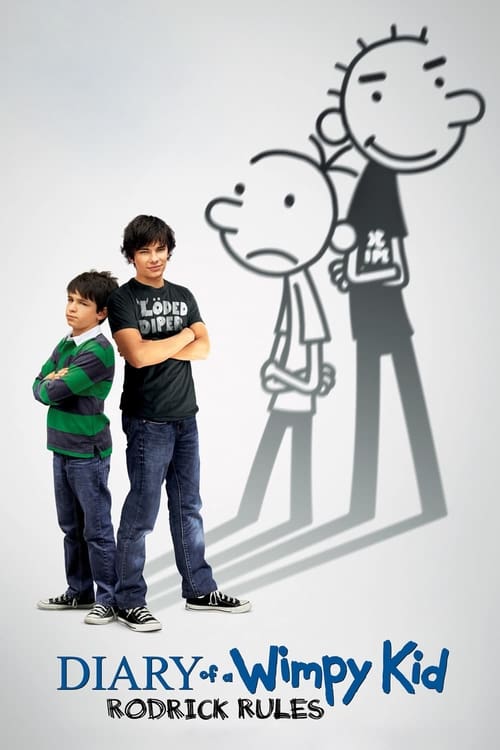
2011
No reviews yet. Be the first to share your thoughts on this movie!
Use the rating form above to leave a star rating and optional review.