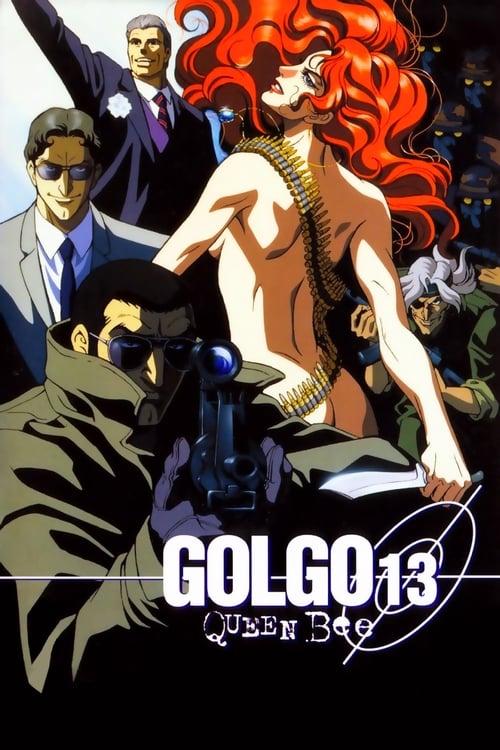
Golgo 13: Queen Bee
1998
No user ratings available yet
Representation score: 3.1 out of 10
Representation Score
Fair
2004
Director
Keitaro Motonaga
Runtime
90 minutes
Average Rating
No ratings yetNew Showbiz Analysis
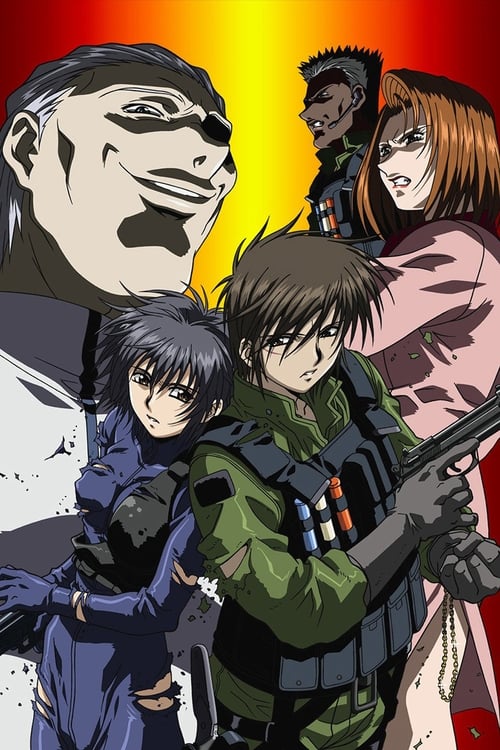
Phantom: The Animation is a character-driven psychological thriller that prioritizes tension and stylized action. It succeeds in challenging traditional gender roles by placing a female character in a position of lethal ability to act. However, the film lacks a multi-layered approach to diversity. The narrative focuses heavily on the individual's struggle against a shadowy organization rather than exploring broader social or cultural identities. While the protagonist's memory loss introduces themes of cognitive impairment, it functions more as a plot device than a nuanced exploration of disability.
Category Breakdown
The story centers on the intense partnership between Zwei and Ein. While their relationship is unconventional, there is no explicit indication of non-straight or non-cisgender identities.
Ein challenges traditional gender roles by acting as a lethal sniper with high ability to act. This shifts power dynamics, as the male protagonist is rendered vulnerable and stripped of his autonomy.
The narrative focuses on an individual struggle for autonomy within a shadow organization. There is no visible evidence of a diverse cast or exploration of multiple cultural backgrounds.
The film explores systemic corruption and predatory power structures. However, the focus remains on personal reclamation rather than a broader critique of religion or specific cultural institutions.
The protagonist suffers from forced memory erasure, a traumatic cognitive impairment. This neurological element serves primarily as a plot device to facilitate his transition into an assassin.
Present on Screen
Limited or Absent
Official Synopsis
Zwei was an ordinary person, until one day, while walking the streets a night, he witnessed a brutal assassination. He managed to avoid the sniper, a young girl named Ein, but was soon captured, and had the memories of his former life erased. He is spared death only by accepting a condition: to train to become an assassin alongside Ein. Now he must find a way to free himself from this shady world and reclaim his life once again.
1998
1998
2005
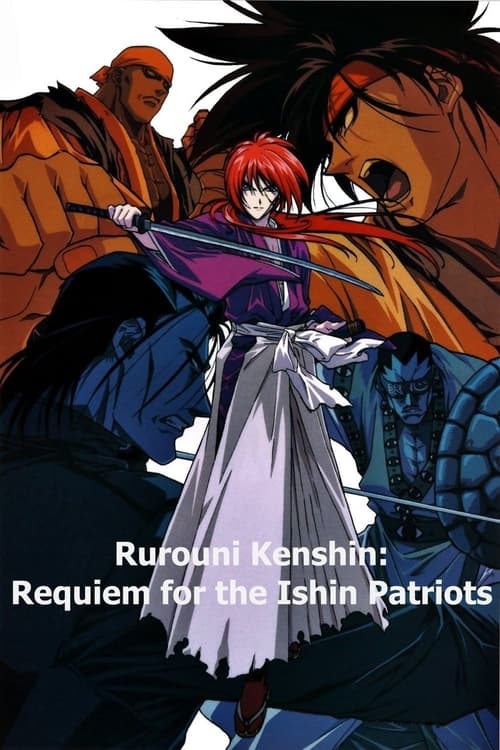
1997
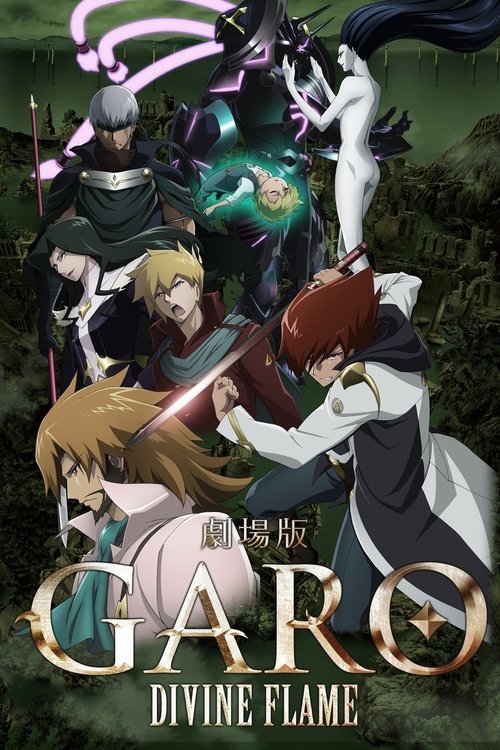
2016
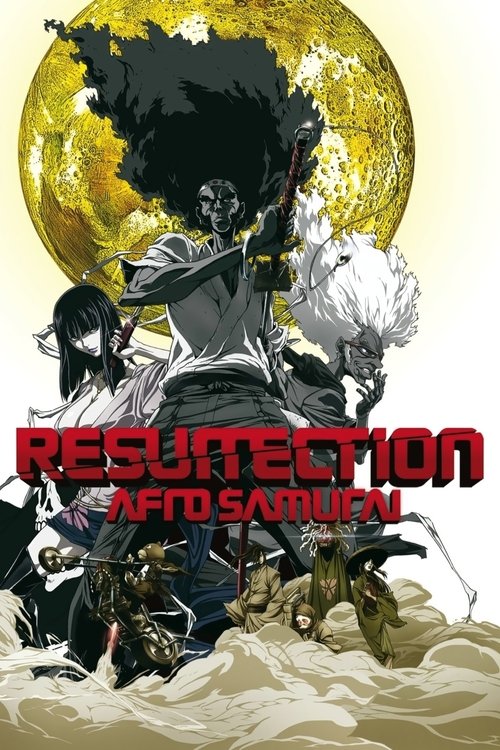
2009

1992

2024
No reviews yet. Be the first to share your thoughts on this movie!
Use the rating form above to leave a star rating and optional review.