
Chips
1984
No user ratings available yet
Diversity score: 5.4 out of 10
2007
Director
Phil Solomon
Runtime
20 minutes
Average Rating
No ratings yetSynopsis
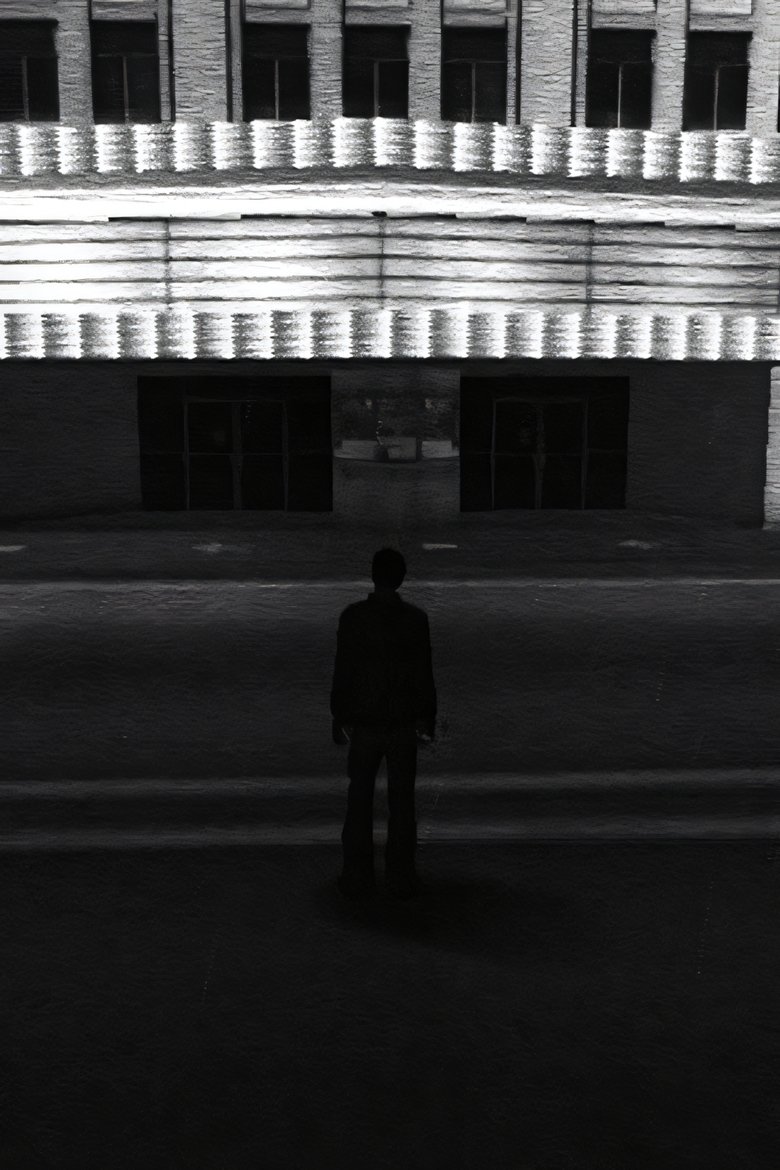
The virtual landscapes of a video game are transformed into an existential tale of solemn beauty.
Overall Score
Fair
Category Breakdown
LGBTQ+ Representation
The film's focus on virtuality and existentialism suggests a departure from heteronormative structures. However, the abstract animation lacks explicit evidence of queer identity or specific depictions of intimacy.
Gender Representation
The narrative prioritizes solemn beauty and existential inquiry over interpersonal power dynamics. It avoids reinforcing traditional gender hierarchies but does not explicitly subvert them through character agency.
Racial & Ethnic Diversity
Specific racial or ethnic identifiers are absent due to the film's use of virtual landscapes. The medium allows for a non-human aesthetic, but no specific visual evidence is available.
Religious & Cultural Diversity
The film demonstrates high subjective morality and secularism. It prioritizes philosophical inquiry over religious or traditional Western institutional frameworks by centering on existentialism within a digital void.
Disability Representation
Themes of loneliness and existential isolation may serve as metaphors for mental health struggles. However, there is no explicit depiction of disability or characters with specific impairments.
Strengths
Areas for Improvement
AI Analysis
Phil Solomon’s work functions as a piece of formalist experimentation that disrupts conventional narrative expectations. By eschewing traditional character archetypes in favor of existential landscapes, the film challenges viewers to engage with a reality unbound by social or biological constraints. The film's progressive value lies in its philosophical non-traditionalism rather than overt identity politics. It operates through semiotic abstraction, making it difficult to apply standard metrics of character-driven representation. Ultimately, the work is a study of atmosphere and texture. While it avoids many mainstream tropes, it lacks the specific character-driven data required for a higher intersectional rating.
1984

2005
1995

2019
2009
1967
1995
2018
2007
1998
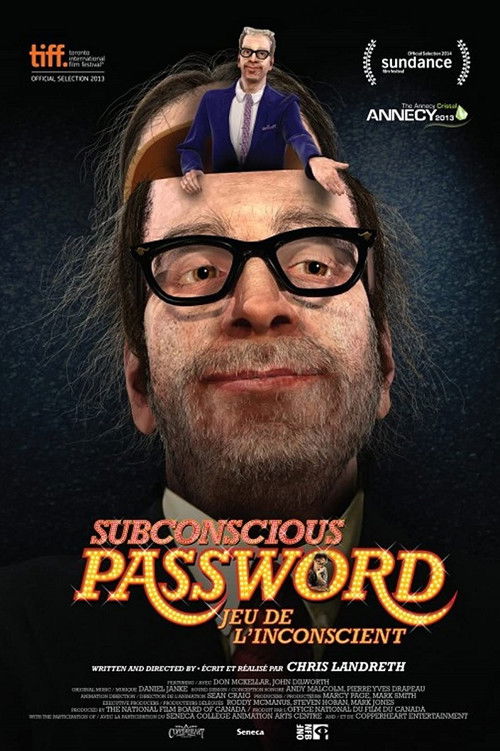
2013
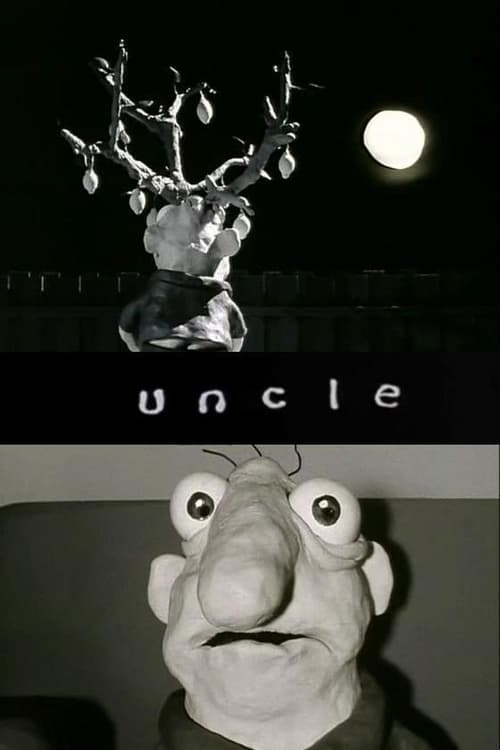
1996
No reviews yet. Be the first to share your thoughts on this movie!
Use the rating form above to leave a star rating and optional review.