
The Reconciliation
2017
No user ratings available yet
Representation score: 6.0 out of 10
Representation Score
Fair
2016
Director
Wojtek Smarzowski
Runtime
150 minutes
Average Rating
No ratings yetNew Showbiz Analysis
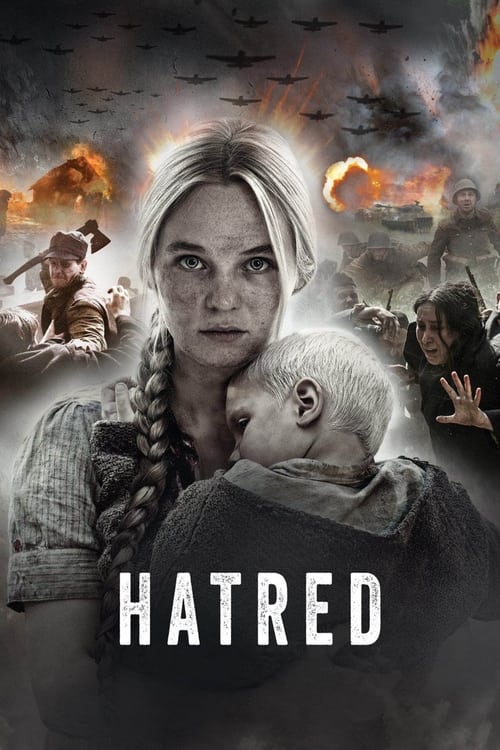
Hatred is a visceral deconstruction of social cohesion that prioritizes a critique of cultural and economic institutions over individual identity representation. Its strength lies in its sophisticated challenge to traditional morality and the perceived stability of Western social structures. However, the film's focus on human depravity and systemic collapse results in a lack of intentional representation for gender, race, and LGBTQ+ identities. These omissions appear to be a byproduct of the film's nihilistic framework rather than a targeted exclusion. Ultimately, the work functions as a study of moral decay and class friction, sacrificing diverse character perspectives to maintain its grim, episodic examination of a collapsing civilization.
Category Breakdown
The film does not include any focus on LGBTQ+ identities or non-cisgender narratives. It does not attempt to challenge the assumption that everyone is straight or cisgender through queer perspectives, focusing instead on broader societal decay.
Gender dynamics are shown as highly dysfunctional, often featuring domestic violence and the degradation of women. Masculinity is portrayed through aggression and cruelty rather than a critique of patriarchal structures.
The narrative centers on a specific socioeconomic cross-section of Polish society. It lacks a broad exploration of multi-ethnic identities, focusing more on class-based friction.
The film provides a profound critique of traditional institutions, portraying religious bodies through a lens of hypocrisy. It deconstructs social norms by framing authority as ineffective and greed as dehumanizing.
Characters with visible or invisible disabilities are not given significant roles in driving the story. The film's focus on extreme cruelty suggests that vulnerability is overshadowed by themes of general human depravity.
Present on Screen
Limited or Absent
Official Synopsis
Summer of 1939. Zosia is a young Polish girl who is deeply in love with Ukrainian Petro. Their great love will be put to the test when her father decides to marry her to a wealthy widower Skiba. Right after wedding she is left alone because her husband is drafted to the Polish army for the war with Germany. Meanwhile, tensions grow due to Jews, Poles, and Ukrainians living side by side.
2017

2019
2021
2018

2021
2018

2018

2015
No reviews yet. Be the first to share your thoughts on this movie!
Use the rating form above to leave a star rating and optional review.