
Legions
2019
No user ratings available yet
Representation score: 2.9 out of 10
Representation Score
Minimal
2014
Director
Robert Gliński
Runtime
111 minutes
Average Rating
No ratings yetNew Showbiz Analysis
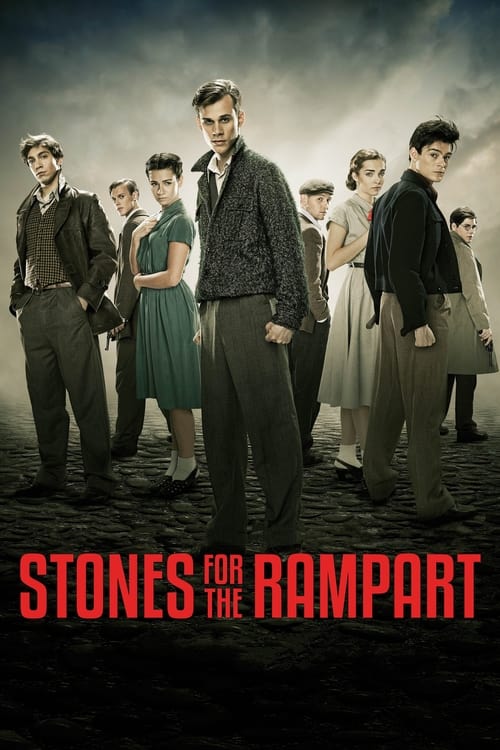
Stones for the Rampart is a traditional historical drama that highlights national identity and conventional masculine archetypes. The film preserves historical memory, focusing on the patriotic duty of young scouts during the start of WWII. The narrative is driven by male protagonists, reinforcing the social and gender norms of the 1939 era. This emphasis on tradition leads to a lack of representation for diverse racial backgrounds and LGBTQ+ identities. Ultimately, the film honors national resilience. It adheres to the demographic and social realities of wartime Poland without disrupting existing cultural hierarchies.
Category Breakdown
The film focuses on the camaraderie of male scouts during the German occupation. It doesn't include any LGBTQ+ themes or non-traditional gender identities, sticking to the traditional social structures of 1939.
The story centers on male characters who play key roles in driving the plot. It emphasizes traditional masculine roles like soldiers and protectors, rather than challenging gender norms.
The cast and setting reflect the predominantly homogeneous ethnic makeup of Warsaw during WWII. The film chooses to depict the period accurately.
The story celebrates patriotism, duty, and traditional moral structures. It honors national resilience without critiquing Western institutions.
There is no mention of characters dealing with physical or neurodivergent disabilities. No specific information is available to assess this category.
Present on Screen
Limited or Absent
Official Synopsis
To be defeated and not be - a victory. This is the motto that life is guided by three young friends: Alek, Sophy and Rudy. Scouts, high school graduates high school in Warsaw drifting ambitious plans for the future broken through September 1939. Entering adulthood in a very dramatic times, which puts them a choice - to survive at any cost, or to join the fighting for a free homeland, risking everything. The boys brought up in patriotic homes, shaped by the ideals of scouting, they decide to fight. They become soldiers, and although every scrape with death, they can live a full life.
2019
2014
2022
1959

2007
2017
1927

2018
No reviews yet. Be the first to share your thoughts on this movie!
Use the rating form above to leave a star rating and optional review.