The Five Pennies
1959
No user ratings available yet
Representation score: 1.8 out of 10
Representation Score
Fair
1965
NRDirector
Paul Henreid
Runtime
89 minutes
Average Rating
No ratings yetNew Showbiz Analysis
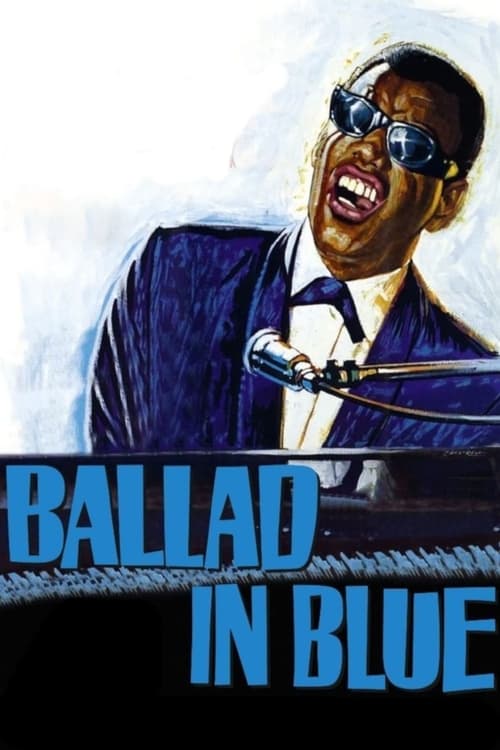
Ballad in Blue operates as a traditional mid-century drama. Its standout feature is the role of Ray Charles, who is given significant influence and mentorship. This offers a notable contrast to the usual racial hierarchies of the time. However, the film remains tied to conventional social structures. Peggy's character is shaped by maternal anxieties, and the narrative avoids systemic critiques, focusing instead on individual moral resilience. Disability is a central theme, but it is framed through personal struggles rather than broader societal issues.
Category Breakdown
The film does not include any representations of LGBTQ+ identities or non-binary genders. It focuses solely on heterosexual family dynamics involving a mother, son, and partner.
Peggy is a central female figure, but her character is defined by maternal anxiety and protective instincts. She has limited control over the story due to traditional stereotypes of emotional motherhood.
Ray Charles plays a key role as a mentor and guide, offering both professional and emotional support to a white family. His influence is significant and empowering.
The film explores themes of addiction and personal struggle through individual experiences. It emphasizes family stability over broader critiques of societal structures.
David's visual impairment is a central theme, highlighting his personal struggle for independence. The narrative focuses on his individual challenges rather than broader societal accessibility issues.
Present on Screen
Limited or Absent
Official Synopsis
Ray Charles plays himself in this film where he helps blind boy David in his struggle to regain his sight. David’s over-protective mother Peggy is afraid of the risks connected with restoring his sight. Ray tries to help the whole family, offering the heavy-drinking Peggy’s heavy-drinking partner Steve an opportunity to work with his band.
1959
1986
1956
1988

1945

1954
1938

1983
No reviews yet. Be the first to share your thoughts on this movie!
Use the rating form above to leave a star rating and optional review.