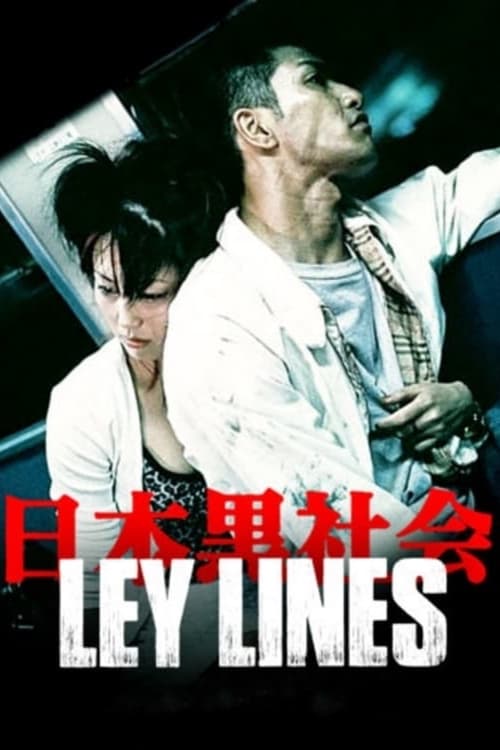
Ley Lines
1999
No user ratings available yet
Representation score: 6.4 out of 10

Representation Score
Excellent
1996
Director
Shunji Iwai
Runtime
148 minutes
Average Rating
No ratings yetNew Showbiz Analysis
Shunji Iwai’s work excels by replacing traditional Japanese social hierarchies with a complex study of survival. The film’s greatest strength lies in its construction of Yentown, a multi-ethnic setting that serves as a powerful metaphor for displacement and globalized capitalism. While the film is highly successful in portraying racial diversity and strong female roles, it lacks depth regarding disability representation. The narrative focuses heavily on economic and social displacement, leaving physical or neurodivergent identities largely unaddressed. Ultimately, the film is a sophisticated deconstruction of national identity. It uses a speculative, near-future landscape to highlight the roles of those living on the periphery of mainstream society.
Category Breakdown
The film avoids a singular queer protagonist, focusing instead on fluid social structures. Yentown’s environment fosters a rejection of straight-centered rigidity, where identity is performative and driven by survival.
Women play central roles in driving the plot, navigating economic precarity and danger with grit. They subvert traditional domestic archetypes and the damsel cliché.
Yentown is a multi-ethnic, immigrant-heavy enclave that rejects Japanese homogeneity. The cast presents a tapestry of Asian ethnicities and outsider identities, critiquing the concept of the nation-state.
The narrative critiques Western-style capitalism and portrays traditional institutions as broken or antagonistic. It prioritizes a makeshift, communal culture over the rigid, organized structures of the state.
Physical or neurodivergent disability is not central to the primary character arcs. The film focuses more on socioeconomic and ethnic exclusion than on specific physical impairments.
Present on Screen
Limited or Absent
Official Synopsis
The struggles of a group of outcasts living in "Yentown", in an alternate-future Japan.
1999
1995

1960
1970

1988
2003
1982

1998
No reviews yet. Be the first to share your thoughts on this movie!
Use the rating form above to leave a star rating and optional review.