Warsaw Uprising
2014
No user ratings available yet
Representation score: 4.0 out of 10
Representation Score
Limited
2015
Director
Masato Harada
Runtime
136 minutes
Average Rating
No ratings yetNew Showbiz Analysis
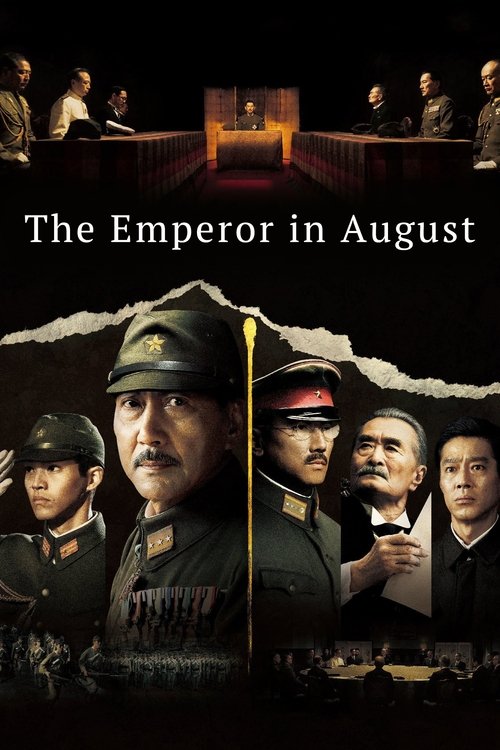
The film functions as a high-stakes procedural drama that prioritizes historical accuracy and political tension over demographic breadth. It centers on the internal collapse of the Japanese state apparatus during the final days of World War II. While the film scores low in traditional metrics like gender and LGBTQ+ representation, it achieves sophistication in its cultural critique. It avoids the 'heroic war' cliché, instead focusing on the friction between institutional preservation and radical insurrection. Ultimately, the work is a specialized reconstruction of a specific historical milieu, trading broad diversity for a deep, nuanced look at fractured leadership and moral ambiguity.
Category Breakdown
The film focuses strictly on the geopolitical and domestic crises of 1945. There are no LGBTQ+ characters or narratives addressing non-assuming gender matches what was assigned at birth identities present in this historical drama.
The narrative is dominated by a patriarchal military and political hierarchy. Women are notably absent from central decision-making scenes, reflecting the era's social constraints.
The cast is culturally homogeneous, consistent with the historical setting of the Japanese Imperial Cabinet. The film's focus on internal national mechanics limits broader racial diversity.
The film excels by deconstructing traditional imperial structures and portraying them as dysfunctional. It critiques rigid, state-mandated loyalty through the lens of internal chaos and insurrection.
There is no discernible evidence regarding the portrayal of physical or neurodivergent disabilities within the film's context.
Present on Screen
Limited or Absent
Official Synopsis
In July 1945, during the end of World War II, Japan is forced to accept the Potsdam Declaration. A cabinet meeting has continued through days and nights, but a decision cannot be made. The U.S. drops atomic bombs on the cities of Hiroshima and Nagasaki, Japan. General Korechika Anami is torn over making the proper decision and the Emperor of Japan worries about his people. Prime Minister Kantaro Suzuki leads the cabinet meeting, while Chief Secretary Hisatsune Sakomizu can't do anything, but watch the meeting. At this time, Major Kenji Hatanaka and other young commissioned officers, who are against Japan surrendering, move to occupy the palace and a radio broadcasting station. The radio station is set to broadcast Emperor Hirohito reading out the Imperial Rescript on the Termination of the War.
2014
1966
1967
1989
2012
1982
1995
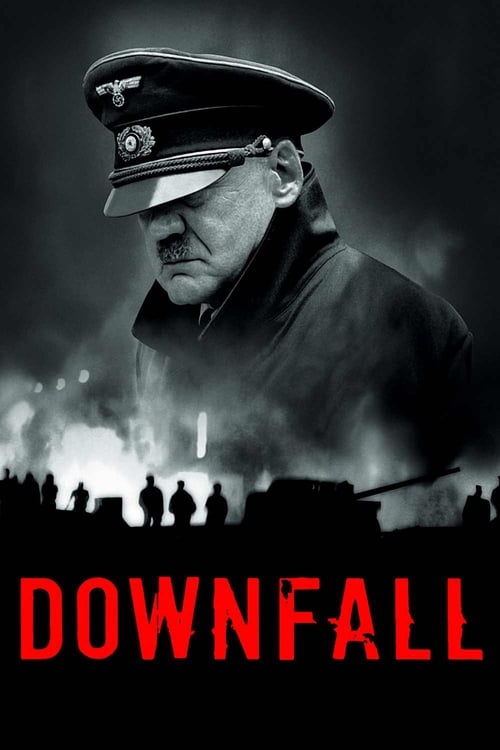
2004
No reviews yet. Be the first to share your thoughts on this movie!
Use the rating form above to leave a star rating and optional review.