Downfall
2004
No user ratings available yet
Representation score: 1.8 out of 10
Representation Score
Minimal
1967
Director
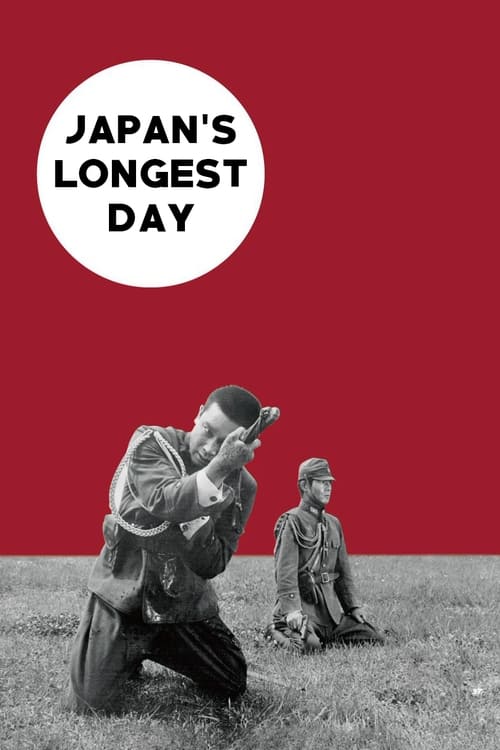
Kihachi Okamoto
Runtime
157 minutes
Average Rating
No ratings yetNew Showbiz Analysis
Japan's Longest Day is a period-accurate historical drama that emphasizes the reconstruction of a specific national crisis over identity-based representation. The film centers on the rigid hierarchies of mid-20th-century Japan, resulting in a narrative that is predominantly male-focused and ethnically uniform. While the film provides a sophisticated look at the collapse of authority and the tension between personal ability to act and state collapse, it does not employ modern storytelling techniques. Instead, it is grounded in the traditional power structures of the time. Ultimately, the film functions as a localized historical reconstruction, capturing the gravity of 1945 through a lens of pragmatic necessity rather than challenging broader social issues.
Category Breakdown
The film adheres strictly to the social norms of 1945 Japan and does not depict any non-traditional gender identities or same-sex relationships.
The story primarily revolves around male authority figures and military officers. Women are shown mainly in supporting roles, such as nurses or civilians.
The cast is ethnically uniform, reflecting the historical composition of the Imperial Japanese Army. It serves as a localized historical reconstruction rather than a diverse narrative.
The film explores the conflict between State Shintoism and the need for surrender. It portrays the erosion of traditional nationalist institutions.
No visible or hidden disabilities are shown with significant impact. Characters are defined by their rank and military function rather than by any neurodivergence or physical disability.
Present on Screen
Limited or Absent
Official Synopsis
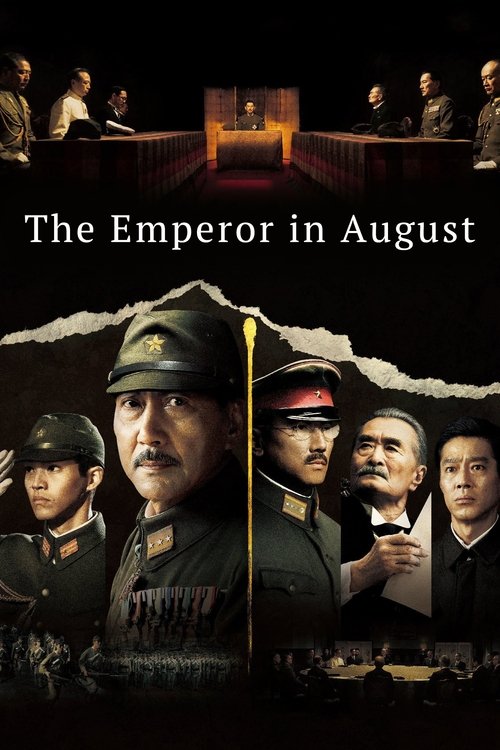
Following the detonation of the atomic bombs on Hiroshima and Nagasaki, the Japanese military and the government clash over the demand from the Allies for unconditional surrender. Minister of the Army Anami leads the military officers who propose to fight on, even to the death of every Japanese citizen. Emperor Hirohito, however, joins with his ministers in asking the unthinkable, the peaceful surrender of Japan. When the military plots a coup to overthrow the Emperor's civilian government, Anami must face the choice between his desires and loyalty to his Emperor.
2004

2014

1983
2012
1990
2015

2013

1977
No reviews yet. Be the first to share your thoughts on this movie!
Use the rating form above to leave a star rating and optional review.