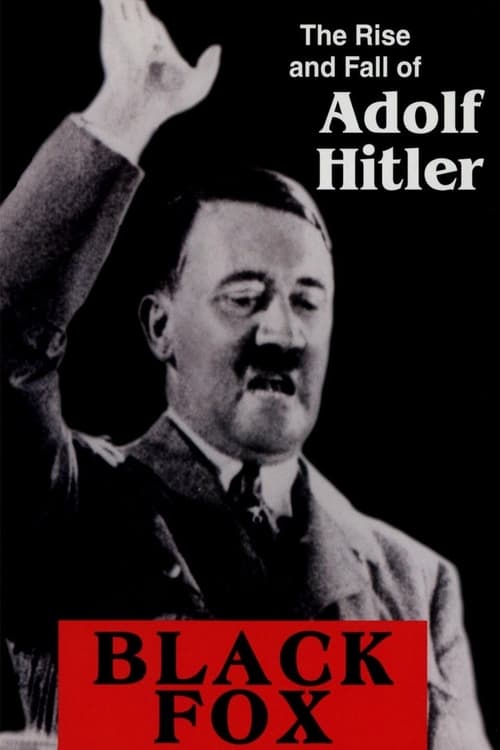
Black Fox: The Rise and Fall of Adolf Hitler
1962
No user ratings available yet
Representation score: 5.0 out of 10
Representation Score
Fair
1982
Director
Marvin J. Chomsky
Runtime
240 minutes
Average Rating
No ratings yetNew Showbiz Analysis
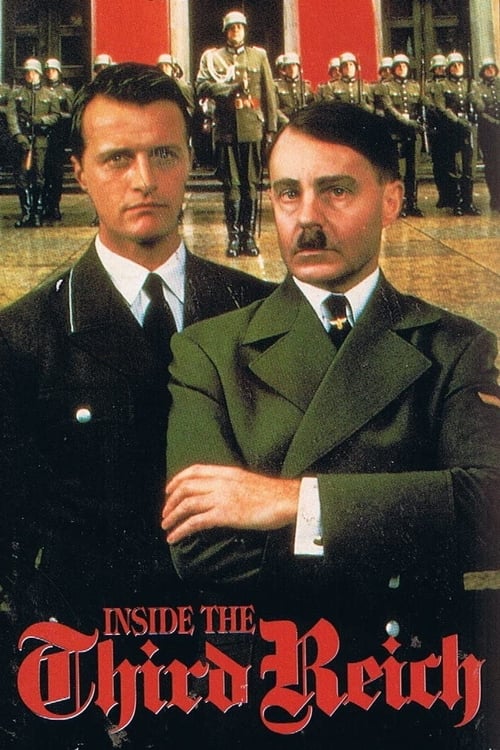
Inside the Third Reich serves as a structural critique of totalitarianism rather than a study of modern identity politics. It emphasizes the mechanics of institutional corruption and the erosion of morality under the Nazi regime. The film effectively documents the systematic oppression of racial, religious, and disabled groups. By focusing on the persecution of these populations, it avoids glossing over the era's brutality. However, the film's historical context limits its scope. It lacks LGBTQ+ representation and upholds traditional, rigid gender roles typical of the period’s social engineering.
Category Breakdown
The film focuses solely on the political and social structures of the Third Reich. There are no identifiable LGBTQ+ characters or stories.
The story portrays a strict, male-dominated hierarchy. Women are shown mostly within domestic settings or as symbols of motherhood, reflecting the militaristic gender roles of the time.
Casting reflects the ethnic makeup of 1930s Germany. The film highlights the persecution and genocide of Jewish populations by centering the experiences of those affected.
The film examines how the Nazi state corrupted religious and social structures. It shows how institutions were manipulated to serve the party's twisted ethics.
The film offers a somber look at the T4 euthanasia program. It brings attention to victims with disabilities to illustrate the regime's cruelty.
Present on Screen
Limited or Absent
Official Synopsis
A dramatization of the life of Albert Speer, Hitler's young architect and onetime confidant, and his meteoric rise into the Nazi hierarchy. Based upon Speer's own monograph of the same title.
1962

1951

1985

2001

2002

2015

2007

1989
No reviews yet. Be the first to share your thoughts on this movie!
Use the rating form above to leave a star rating and optional review.