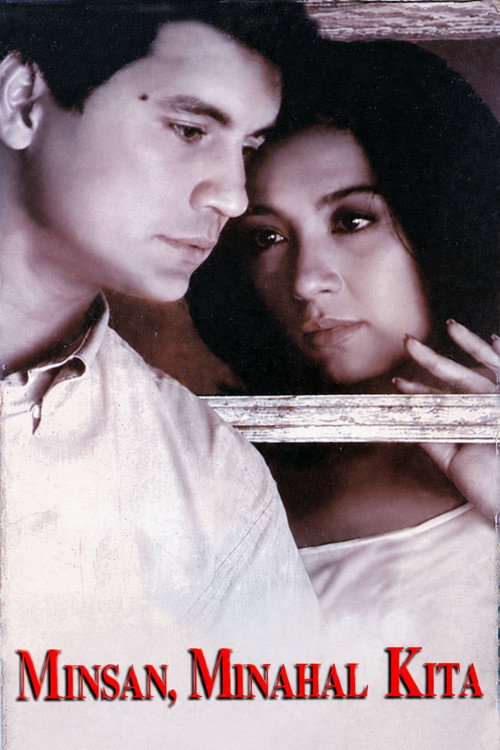
Minsan, Minahal Kita
2000
No user ratings available yet
Representation score: 4.9 out of 10
Representation Score
Good
1993
TV-PGDirector
Carlos Siguion-Reyna
Runtime
100 minutes
Average Rating
No ratings yetNew Showbiz Analysis
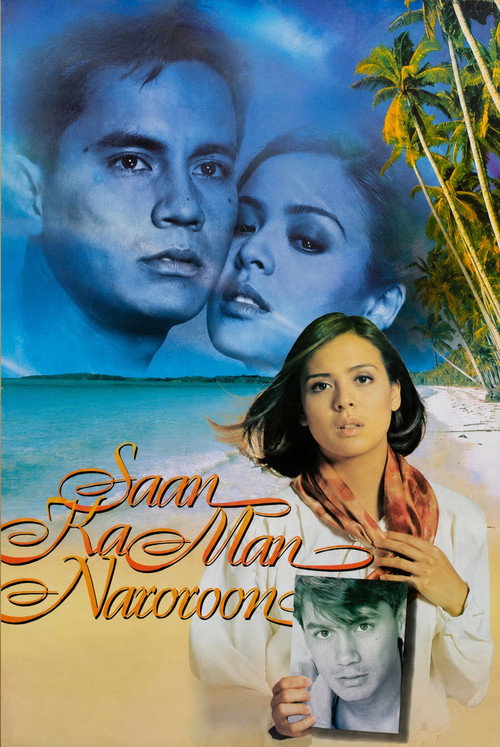
Saan Ka Man Naroroon is a melodrama that explores the fragility of identity and the disruption of romantic structures. It successfully centers a non-Western cultural perspective and provides a female-driven emotional journey that subverts traditional patriarchal domesticity. However, the film's diversity is limited by its focus on a heterosexual romantic conflict. While amnesia serves as a central plot driver, the portrayal of this neurological condition lacks nuanced representation. Ultimately, the film offers a meaningful look at social and emotional disruption, though it lacks depth regarding diverse identities and specific disability portrayal.
Category Breakdown
The story focuses on a heterosexual romantic conflict and does not include any explicit evidence of queer identities or non-cisgender narratives.
The film centers on a woman's journey as she navigates bereavement and truth, shifting the focus from a male-led structure to a female-driven emotional narrative.
As a Philippine production, the film centers on Filipino identities and a non-Western cultural context, providing strong representation for non-Anglo-Saxon perspectives.
The story challenges the concept of the idealized marriage through the lens of memory loss, exploring the instability of the nuclear family unit.
The plot relies on amnesia as a primary narrative engine, but it is unclear if this cognitive impairment is portrayed with real depth or used merely as a plot device.
Present on Screen
Limited or Absent
Official Synopsis
A bereaved wife searches for her lost husband, only to be found with no memory of her and a new woman in his life.
2000
1942

2003

2018

1995
1992
2010
1999
No reviews yet. Be the first to share your thoughts on this movie!
Use the rating form above to leave a star rating and optional review.