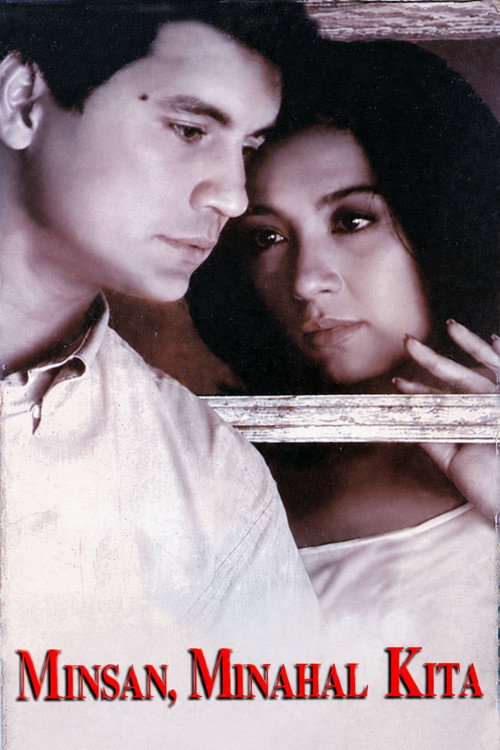
Minsan, Minahal Kita
2000
No user ratings available yet
Representation score: 4.9 out of 10

Representation Score
Fair
1995
TV-PGDirector
Olivia M. Lamasan
Runtime
122 minutes
Average Rating
No ratings yetNew Showbiz Analysis
Second Chances is a culturally specific romantic drama set in the Philippines. By centering Filipino perspectives, it provides a necessary alternative to the homogeneity of Western romantic cinema. The film's emotional depth is driven by the psychological toll of long-distance relationships. However, it adheres to traditional romantic archetypes and lacks explicit representation of LGBTQ+ identities. Ultimately, the film serves as a meaningful example of regional storytelling, prioritizing emotional realism and cultural specificity.
Category Breakdown
The film does not explicitly include queer identities or characters who aren't assumed to be straight. It follows traditional romantic storylines common in 1995 Philippine cinema.
The story focuses on the emotional journey of its characters dealing with grief and distance. While it uses romantic archetypes, the drama centers on complex emotional experiences.
As a Philippine production, the film centers a Southeast Asian perspective. This provides strong ethnic representation by moving away from Western-centric romantic norms.
The story explores how distance and modern lifestyles affect traditional relationship structures. It offers a nuanced look at the emotional costs of separation.
There is no indication that physical or neurodivergent disabilities play a central role in the film's narrative.
Present on Screen
Limited or Absent
Official Synopsis
Two lovers, who are oceans apart, discover that distance can either make the heart grow fonder or render it numb with grief.
2000

2018

2018

1989

2016

2024
1988

1993
No reviews yet. Be the first to share your thoughts on this movie!
Use the rating form above to leave a star rating and optional review.