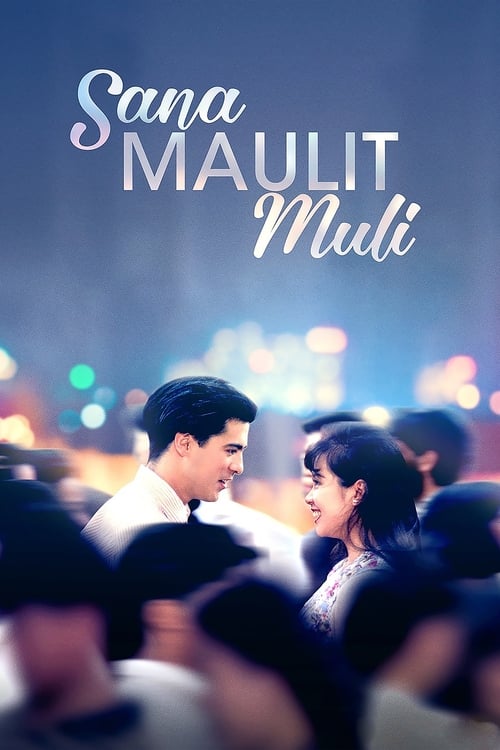
Second Chances
1995
No user ratings available yet
Representation score: 5.5 out of 10
Representation Score
Fair
2000
TV-PGDirector
Olivia M. Lamasan
Runtime
110 minutes
Average Rating
No ratings yetNew Showbiz Analysis
Olivia M. Lamasan’s drama offers a sophisticated look at interpersonal dynamics and the breakdown of established domestic structures. By exploring the complexities of human desire, the film steers clear of conventional clichés about marital stability. The work emphasizes emotional authenticity over institutional norms, providing a nuanced exploration of personal ability to act. While it doesn’t engage deeply with multi-layered politics, it still offers progressive themes by challenging traditional social expectations. Ultimately, the film serves as a localized narrative that centers on regional identity and the intricate realities of human connections.
Category Breakdown
The story focuses on a heterosexual relationship. There is no indication of queer themes or non-cisgender identities.
The film examines the vulnerability of men in patriarchal roles by showing marital problems. It highlights the emotional strength of the main characters instead of following traditional gender roles.
As a Philippine production, the film emphasizes a regional identity. It presents a non-Western viewpoint that deviates from Anglo-Saxon filmmaking traditions.
The narrative questions the sanctity of marriage by presenting instability as a means for connection. It delves into subjective morality rather than strict adherence to traditional beliefs.
There is no information about the portrayal of characters with physical or neurodivergent disabilities.
Present on Screen
Limited or Absent
Official Synopsis
Experiencing problems in their marriages, Dianne and Albert unexpectedly meet and fall and love.
1995
1988
2003
1977
2019
2014

2011
1998
No reviews yet. Be the first to share your thoughts on this movie!
Use the rating form above to leave a star rating and optional review.