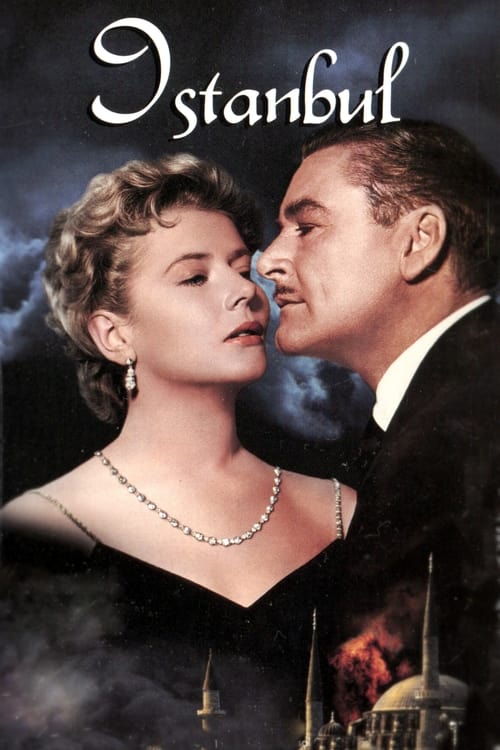
Istanbul
1957
No user ratings available yet
Representation score: 1.6 out of 10
Representation Score
Limited
1968
RDirector
Noel Black
Runtime
89 minutes
Average Rating
No ratings yetNew Showbiz Analysis
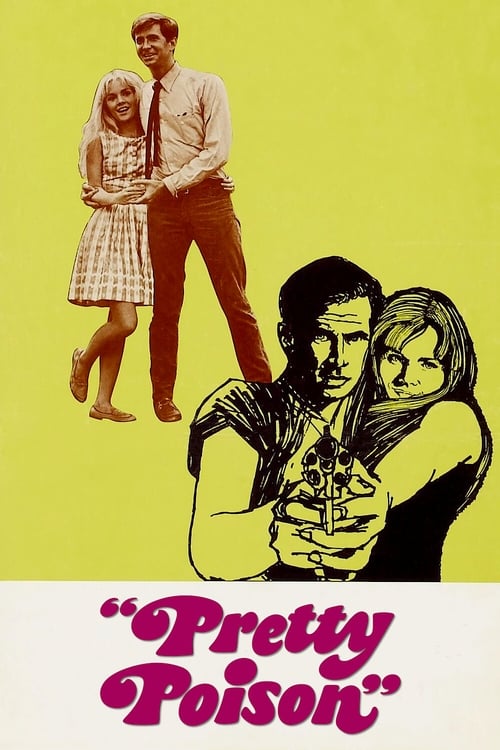
Pretty Poison stands out for its psychological complexity and its subversion of mid-century cinematic clichés. While it fails to provide any meaningful representation for LGBTQ+ or disabled communities, it succeeds in deconstructing gendered power dynamics. Female characters drive the central conflict through manipulation rather than submission. However, the film is socially narrow, focusing exclusively on a white, upper-middle-class demographic. This lack of racial and ethnic diversity limits its scope, making it a highly localized character study rather than a broad social tapestry. Ultimately, the film's strength lies in its cultural critique. By embracing moral ambiguity and anti-social behavior, it moves away from traditionalist storytelling toward a more postmodern, complex exploration of human subjectivity.
Category Breakdown
The film focuses solely on straight relationships and does not depict any non-traditional gender identities or same-sex intimacy.
The narrative challenges traditional gender roles by giving female characters a significant role in driving the story. Lil and Polly take control as architects of deception rather than passive subjects.
The story centers around a homogenous, white, upper-middle-class social circle and lacks meaningful representation of ethnic minorities or diverse backgrounds.
The film critiques social hierarchies by portraying upper-class structures as superficial. It uses moral relativism to challenge traditional standards of accountability and truth.
There are no portrayals of visible or invisible disabilities. The character studies do not integrate neurodivergent narratives or chronic illness.
Present on Screen
Limited or Absent
Official Synopsis
A troubled arsonist spins a tale of espionage to a captivating girl, who becomes enthralled and entangled in his dangerous fantasies, leading to unexpected murder and chaos that change their lives forever.
1957
1969

1996
1960
1954

1960

1950
1973
No reviews yet. Be the first to share your thoughts on this movie!
Use the rating form above to leave a star rating and optional review.