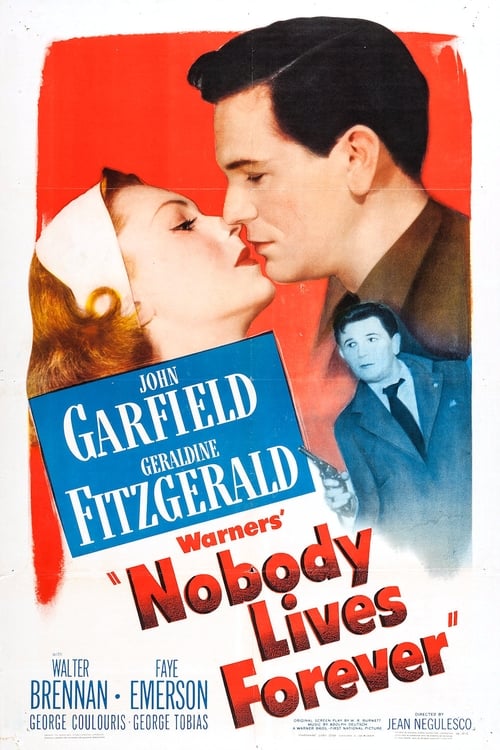
Nobody Lives Forever
1946
No user ratings available yet
Diversity score: 1.8 out of 10
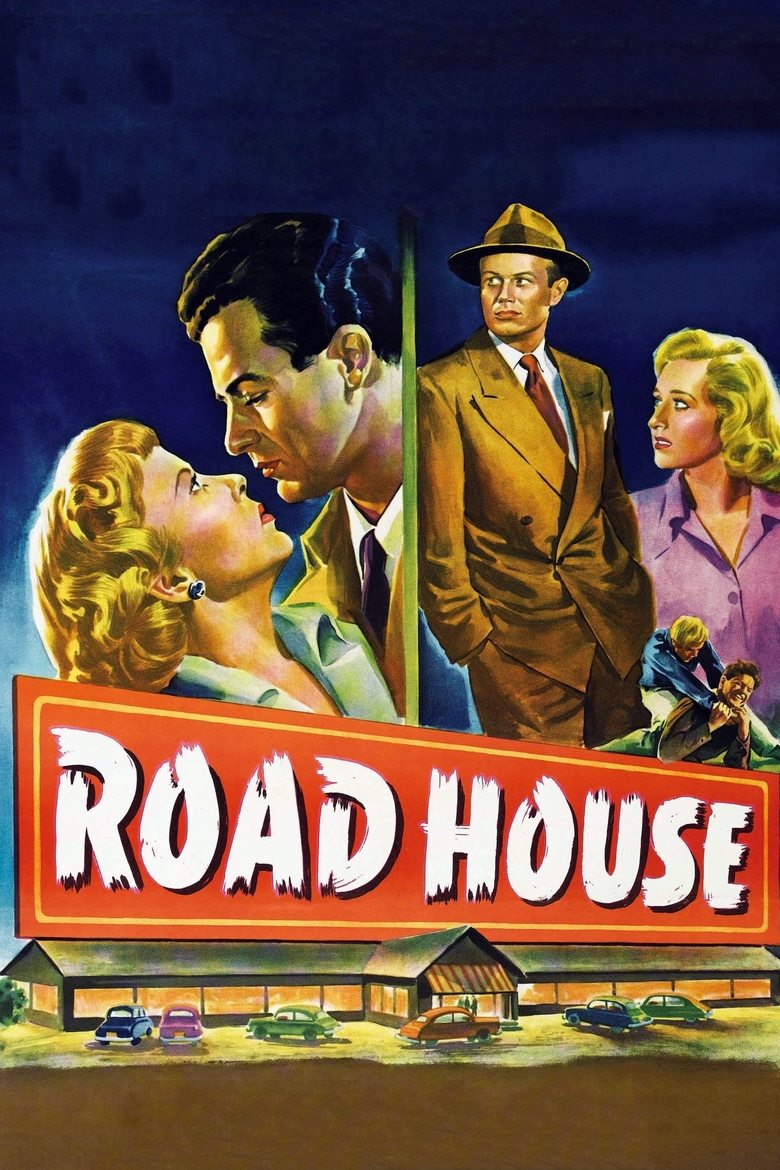
1948
NRDirector
Jean Negulesco
Runtime
95 minutes
Average Rating
No ratings yetSynopsis
A night club owner becomes infatuated with a torch singer and frames his best friend/manager for embezzlement when the chanteuse falls in love with him.
Overall Score
Limited
Category Breakdown
LGBTQ+ Representation
The film follows a traditional romantic triangle centered on a nightclub owner, a singer, and a manager. It lacks any evidence of non-cisnormative identities or narratives that challenge heteronormativity.
Gender Representation
The female lead acts as a central catalyst for the plot through her influence over the male characters. However, her power is framed through romantic obsession rather than a subversion of gender hierarchies.
Racial & Ethnic Diversity
The production appears to reflect the homogeneous casting standards of 1940s Hollywood. There is no indication of a diverse cast or a departure from the era's demographic norms.
Religious & Cultural Diversity
The story focuses on individual moral failings and interpersonal betrayal within a nightclub setting. It prioritizes personal drama over any critique of Western institutions or cultural structures.
Disability Representation
There is no evidence of characters with visible or invisible disabilities within the narrative.
Strengths
Areas for Improvement
AI Analysis
Road House is a standard mid-century thriller that adheres strictly to the social and demographic conventions of 1948 cinema. The plot relies on established melodrama tropes, specifically a romantic triangle driven by jealousy and embezzlement. The film offers minimal disruption to established social hierarchies. While the female lead exerts influence over the men, the power dynamics remain rooted in traditional romantic archetypes rather than systemic change. Overall, the work functions as a conventional noir-adjacent drama, lacking significant representation of diverse identities or cultural critiques.
No reviews yet. Be the first to share your thoughts on this movie!
Use the rating form above to leave a star rating and optional review.