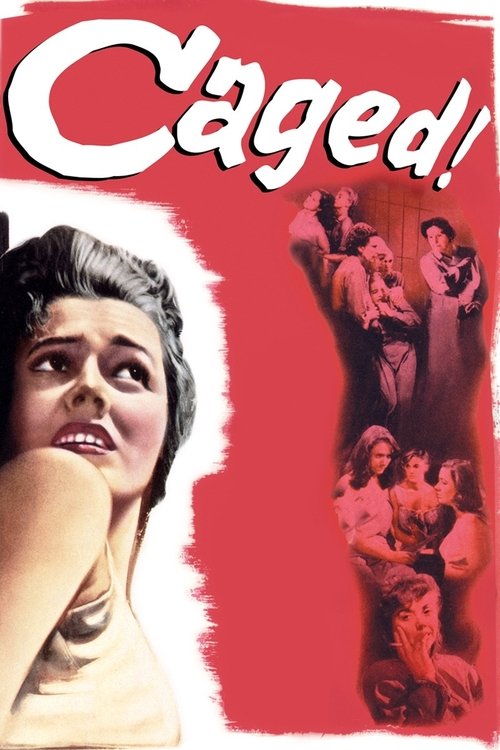
Caged
1950
No user ratings available yet
Representation score: 7.3 out of 10
Representation Score
Fair
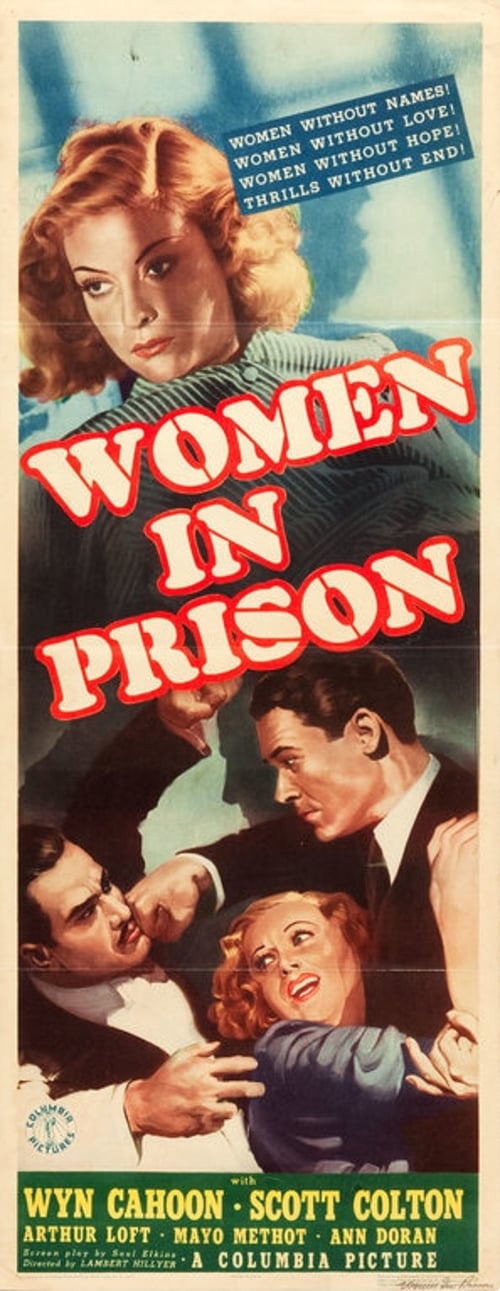
1938
ApprovedDirector
Lambert Hillyer
Runtime
59 minutes
Average Rating
No ratings yetNew Showbiz Analysis
The film centers on a women's prison where the superintendent refuses to pardon a gang member, leading to her daughter's wrongful imprisonment. This setup places female competence and moral clarity at the forefront, contrasting with male officials who serve as the primary source of corruption. The all-female inmate population drives the central conflict, relying on each other for support rather than traditional family structures. The cast is entirely white, with no non-white actors in credited roles. LGBTQ+ identities and same-sex relationships are absent, as are characters with ongoing disabilities. The narrative does not address race, disability, or queer experiences, focusing instead on gender dynamics and institutional failure within a 1938 historical context. The overall score reflects the strong focus on gender dynamics and institutional critique, balanced by the complete absence of racial, LGBTQ+, and disability representation. The film offers a clear view of female solidarity against corrupt authority, but lacks diversity in other dimensions.
Category Breakdown
No same-sex romance or queer identity appears on screen. The narrative relies entirely on heterosexual pairings and institutional power dynamics. Queer perspectives are absent from the credited cast and plot.
Women drive the plot and form the moral center of the story. Male authority figures are framed as corrupt or incompetent. Female solidarity replaces traditional family support as the primary source of justice.
The credited cast is entirely white. No non-white characters appear in the listed roles. This reflects the standard production practices of the era without on-screen acknowledgment.
Institutional authority is questioned and exposed as corrupt. Female solidarity serves as the mechanism for survival and justice. Religious or spiritual practices are not a visible narrative element.
No characters with ongoing physical or cognitive disabilities are depicted. Physical ailments are not a narrative focus. The story centers on legal and institutional conflict rather than health.
Present on Screen
Limited or Absent
Official Synopsis
The superintendent of a women's prison is pressured to pardon a member of a criminal gang. When she refuses, her daughter is framed on a manslaughter charge and sent to prison.
1950
1958
1955
1972
1958

1943

1988

1940
No reviews yet. Be the first to share your thoughts on this movie!
Use the rating form above to leave a star rating and optional review.