
Outlaw Force
1988
No user ratings available yet
Representation score: 1.3 out of 10
Representation Score
Minimal
1988
RDirector
Neil Callaghan
Runtime
97 minutes
Average Rating
No ratings yetNew Showbiz Analysis
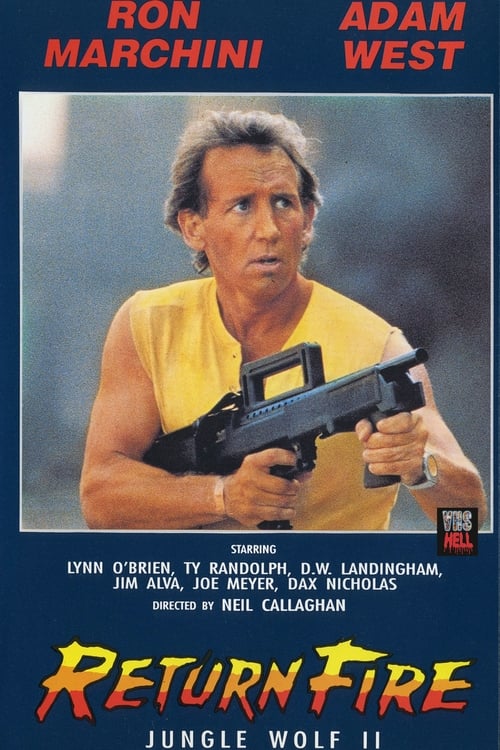
Return Fire: Jungle Wolf II is a quintessential 1980s action-drama that prioritizes genre momentum over social complexity. The film relies heavily on established clichés, such as the lone masculine hero and the traditional family unit, to drive its plot. The narrative structure reinforces conventional social hierarchies. It focuses on a straight-centered romantic pairing and a standard vigilante framework, offering little room for diverse perspectives or the subversion of typical power dynamics. Ultimately, the film functions as a character-driven action piece that adheres to the demographic and thematic norms of its era, providing minimal disruption to traditional representation.
Category Breakdown
The film centers on a traditional romance between Steve Parrish and Teri, with no visible representation of LGBTQ+ identities.
While Teri moves beyond a passive role to assist the protagonist, the narrative remains anchored in a masculine hero archetype. The male lead holds most of the ability to act in the story.
The story involves a protagonist returning from Central America, but the focus remains on localized gang conflict. The cast appears to follow homogeneous 1980s action cinema norms.
The plot emphasizes Western values of paternal protection and family sanctity. It utilizes standard vigilante clichés rather than exploring systemic cultural critiques.
There is no evidence of characters with visible or invisible disabilities within the narrative.
Present on Screen
Limited or Absent
Official Synopsis
Steve Parrish returns home to the San Francisco area after his many travails fighting in Central America and all he wants to do is see his young son Zak. However, gang boss Petroli has it out for Parrish and he sends all the baldest, fattest, oldest goons after Parrish to exterminate him. But Parrish is one...clever...man. Somehow they manage to kidnap Zak, so Parrish teams up with his love interest Teri to fight the baddies and save Zak. Also, corrupt government agent Carruthers has his own stake in both the fates of Petroli and Parrish.
1988
1984

1988

1989
1990
1981
1993
1977
No reviews yet. Be the first to share your thoughts on this movie!
Use the rating form above to leave a star rating and optional review.