Roja
1992
No user ratings available yet
Representation score: 2.8 out of 10
Representation Score
Limited
1988
Director
Babbar Subhash
Runtime
144 minutes
Average Rating
No ratings yetNew Showbiz Analysis
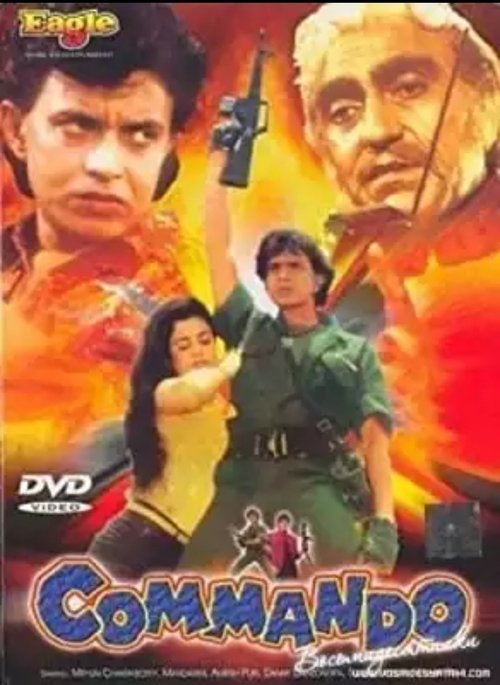
Commando (1988) is a quintessential genre piece that upholds the social and cinematic norms of its time. The narrative is built around traditional archetypes, focusing on masculine heroism and clear-cut moral binaries. The film relies heavily on established clichés, such as the patriotic soldier and the foreign threat, rather than attempting to challenge or expand social norms. This results in a predictable but culturally standard framework for 1980s action cinema. Ultimately, the work upholds the status quo, prioritizing conventional themes of duty and heterosexual romance over diverse or storytelling that reflects multiple aspects of identity.
Category Breakdown
The film follows traditional heterosexual relationships, with the central romance between Chander and Asha following a conventional courtship model without any queer undertones.
Gender roles in the film align with 1980s action movie conventions, emphasizing masculine military strength. While Asha supports the hero, her role remains secondary to the male-driven mission.
The cast is ethnically uniform, reflecting the Indian production context. An international antagonist introduces a sense of global conflict but operates as a standard cliché rather than nuanced diversity.
The story emphasizes traditional values and nationalism, reinforcing the sanctity of the soldier-family unit through a clear distinction between good and evil.
There is no significant depiction of disability. The mother's descent into insanity serves as a tragic plot device rather than a nuanced exploration of mental health issues.
Present on Screen
Limited or Absent
Official Synopsis
Satish wants his only son, Chander, to be physically fit and join the army. While Satish is protecting the life of Mrs. Indira Gandhi, he is killed by three men; his wife goes insane, and his son is orphaned. Now Chander has grown up and has joined the army as a Commando. The Commander of his company, Mirza is corrupt and is protecting the interests of international criminal don, Marcelloni, by stealing arms and ammunitions. Chander attempts to bring this to the attention of the owner of the arms depot, Kailashpuri Malhotra, who disbelieves him. But Mr. Malhotra's daughter, Asha believes him, as well as loves him, and she along with Jhum Jhum, and Dilher Singh try to expose what's going on. Chander also finds out that the three men who killed his dad also belong to this gang, but then Marcelloni abducts Asha, and uses Chander as a pawn to get what he wants - spread nationwide terror.
1992
1975
1985

1999

1996
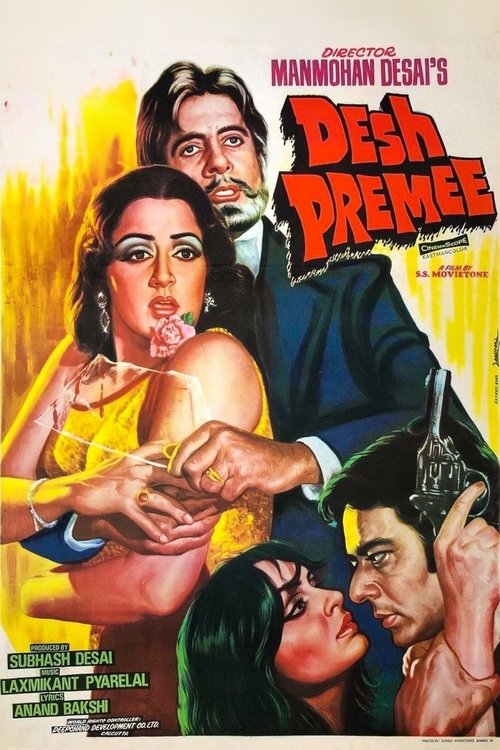
1982
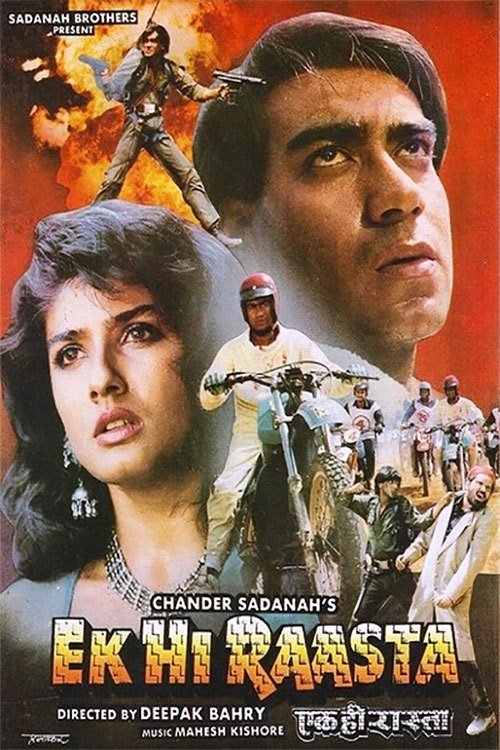
1993
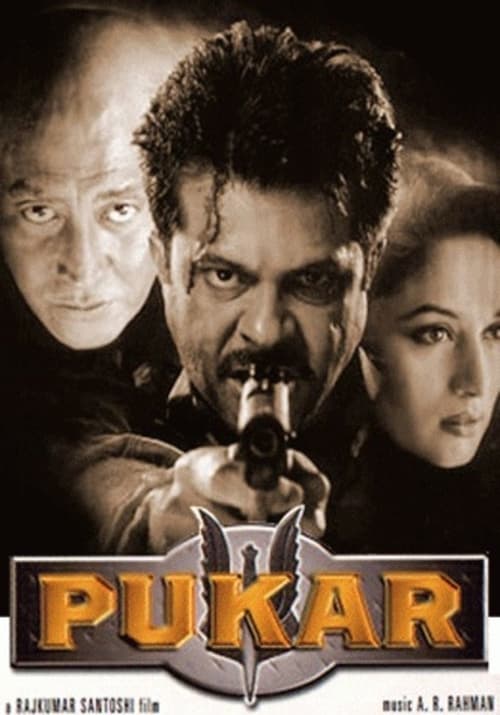
2000
No reviews yet. Be the first to share your thoughts on this movie!
Use the rating form above to leave a star rating and optional review.