Deadly Heroes
1993
No user ratings available yet
Representation score: 3.2 out of 10
Representation Score
Fair
1987
RDirector
Hanro Möhr, Percival Rubens
Runtime
95 minutes
Average Rating
No ratings yetNew Showbiz Analysis
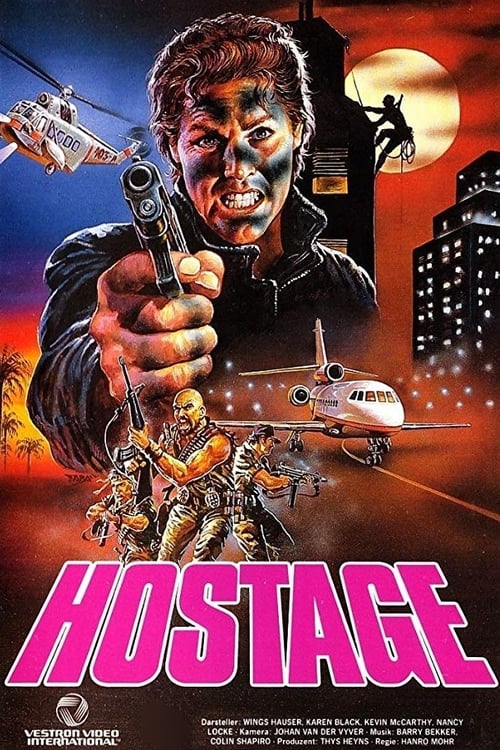
Hostage operates within a typical 1980s action-drama framework. The narrative emphasizes male-driven ability to act and conventional hierarchies, with characters serving specific functional roles in a high-stakes hijacking scenario. While the South African setting introduces ethnic and nationalist conflict, the film leans into traditional clichés of vigilantism and military intervention. Disability and religious elements are used more as plot devices than as deep character studies.
Category Breakdown
The film does not include any LGBTQ+ characters or non-cisgender identities. It focuses on traditional heterosexual relationships, particularly the romance between the Colonel's daughter and Major Striker.
Male characters dominate the story, acting as primary agents of action. Female characters, such as the Colonel's daughter, play more passive roles, serving mainly as emotional catalysts rather than active drivers of the plot.
Set in South Africa, the film explores ethnic and nationalist conflicts. However, the conflict often mirrors colonial dynamics, pitting local groups against state-aligned military forces.
Religion plays a crucial role in the plot through the inclusion of a religious leader as a hostage. The story relies on traditional clichés of military intervention to resolve the crisis.
A character's need for a kidney transplant introduces medical vulnerability to the tension. This condition functions primarily as a plot device rather than a nuanced exploration of disability.
Present on Screen
Limited or Absent
Official Synopsis
The leader of a South African Nation is imprisoned. His followers, led by Zabo, hijack a plane with the intent to use the passengers as hostages to trade for his release. They select a plane carrying a religious leader to use as their main hostage. They soon learn that they have an added bonus of the daughter and grandson of Colonel Shaw, a bigwig in the country. The grandson all the while has to cope with the dual problems of being hijacked and held hostage while needing a kidney transplant. The hijackers have everything in their favor, except that the colonel's daughter is the sweetheart of Major Sam Striker. Striker puts together a band of mercenaries and sets about freeing the hostages.
1993
2006
1987

2011
1984
1997
1974
1986
No reviews yet. Be the first to share your thoughts on this movie!
Use the rating form above to leave a star rating and optional review.