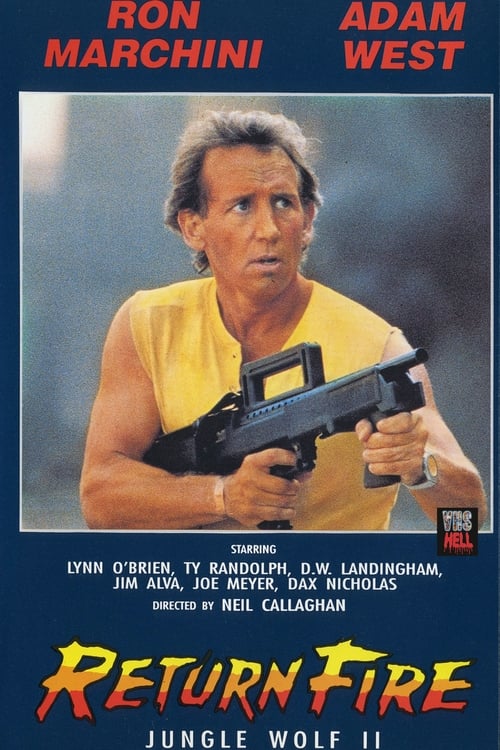
Return Fire: Jungle Wolf II
1988
No user ratings available yet
Diversity score: 2.3 out of 10
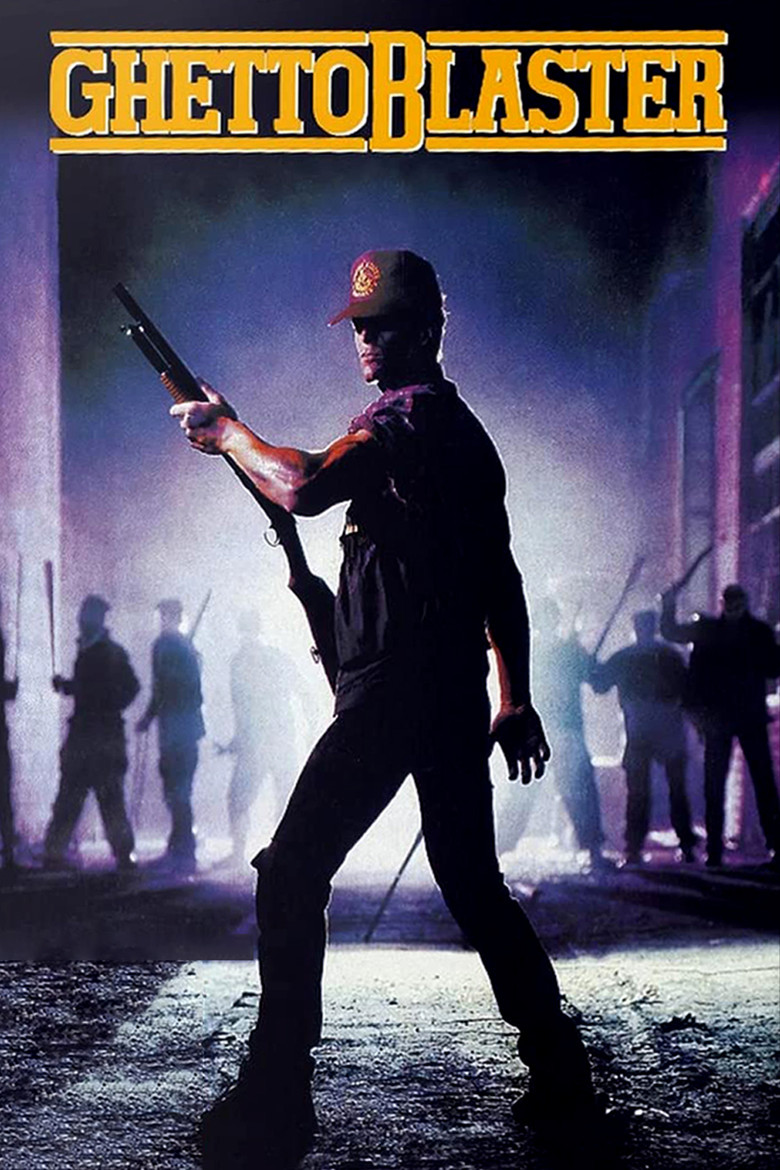
1989
RDirector
Alan Stewart
Runtime
82 minutes
Average Rating
No ratings yetSynopsis
When Travis, middle-aged, working class man, returns home to visit his parents, he quickly learns that his hood is rife with criminal activity and gang warfare. Quickly, Travis finds himself thrust into a position to defend his family and neighbors from the punks who terrorize them on a daily basis. Good thing he has a military training, enabling the man to become a one-man vigilante unit against the forces of evil in his town.
Overall Score
Limited
Category Breakdown
LGBTQ+ Representation
The film focuses on traditional family structures and local gang conflicts. There is no evidence of non-cisnormative identities or narratives that critique heteronormativity.
Gender Representation
The story prioritizes a traditional masculine archetype through the protagonist, Travis. His military competence and physical dominance reinforce conventional hierarchies of masculine leadership.
Racial & Ethnic Diversity
The urban setting and title suggest a multi-ethnic environment. However, the narrative lacks explicit confirmation of a non-white majority cast or intersectional characters with high agency.
Religious & Cultural Diversity
The narrative leans into the one-man vigilante trope. It reinforces traditional values of unilateral justice rather than deconstructing Western institutions or social norms.
Disability Representation
There is no evidence of characters with visible or invisible disabilities within the film's context.
Strengths
Areas for Improvement
AI Analysis
Ghetto Blaster is a standard 1980s genre piece that emphasizes individualist heroism. The narrative centers on a military-trained protagonist who acts as the primary agent of stability against local gang warfare. The film reinforces existing social hierarchies rather than challenging them. By focusing on a male figure reclaiming agency through combat, the story adheres to traditional masculine archetypes and conventional social frameworks. Overall, the production lacks intentional intersectional representation. It operates within the established genre conventions of its era, prioritizing localized struggle and paramilitary action over progressive storytelling.
1988

1975
1984

1988
1979
1989
1995
1979

1988
2011
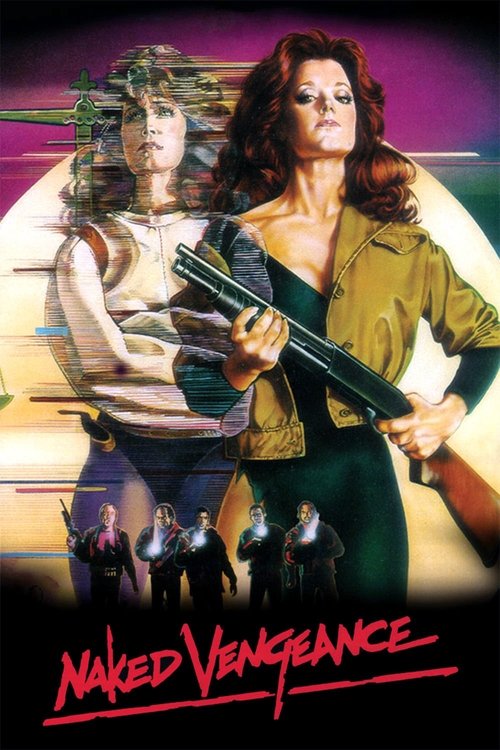
1985
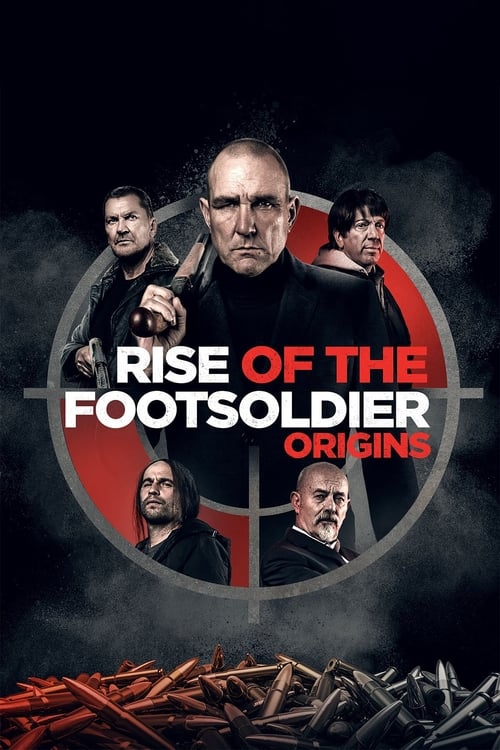
2021
No reviews yet. Be the first to share your thoughts on this movie!
Use the rating form above to leave a star rating and optional review.