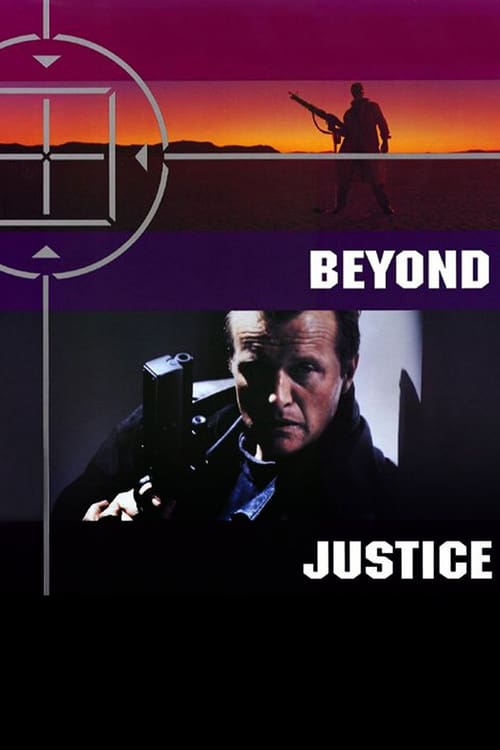
Beyond Justice
1992
No user ratings available yet
Representation score: 3.6 out of 10

Representation Score
Limited
1987
RDirector
Mark Sobel
Runtime
78 minutes
Average Rating
No ratings yetNew Showbiz Analysis
Sweet Revenge is a genre-driven action thriller that prioritizes a revenge arc over diverse representation. While it avoids some common clichés, it remains anchored in the demographic standards of late-80s cinema. The film's primary strength lies in its portrayal of the female protagonist, who actively drives the plot through her pursuit of justice. However, the narrative lacks breadth in its representation, offering limited racial and ethnic diversity and failing to engage with broader social or cultural critiques.
Category Breakdown
The film does not include any queer narratives or non-cisgender identities. The storyline revolves around a traditional mother-child relationship and a revenge plot.
Jillian Gray breaks away from the damsel in distress cliché by transforming from a kidnapping victim into an active agent of vengeance. She exhibits significant influence and intellectual rigor throughout the film.
The story focuses on a conflict with a white slave king, indicating a lack of racial diversity. The cast seems to represent a homogeneous demographic.
The story adheres to a conventional justice-focused framework. It emphasizes individual morality without addressing broader systemic issues related to religion or Western institutions.
There is no information about the inclusion of characters with visible or invisible disabilities.
Present on Screen
Limited or Absent
Official Synopsis
Nancy Allen plays an investigative news reporter Jillian Gray, who, along with her daughter is kidnapped by white slave king Cicero, after getting too close with her investigation. Now that she has escaped, she seeks revenge on Ciero
1992

1971

1994

1973

1985
1981

1985
2003
No reviews yet. Be the first to share your thoughts on this movie!
Use the rating form above to leave a star rating and optional review.