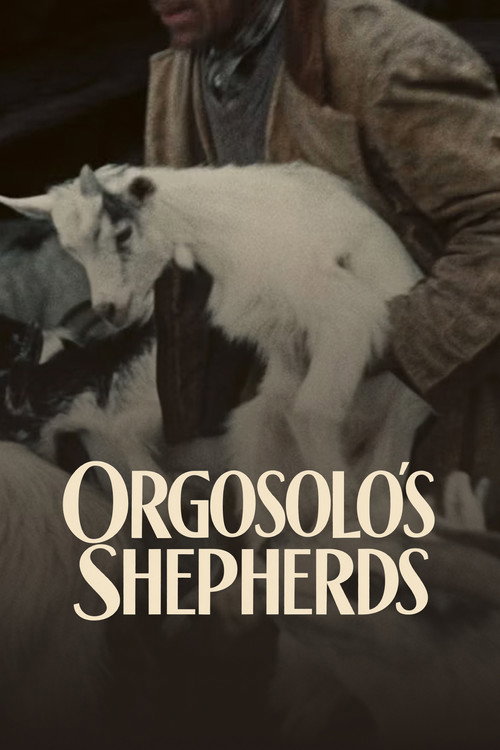
Orgosolo’s Shepherds
1958
No user ratings available yet
Representation score: 2.5 out of 10
Representation Score
Limited
1958
Director
Vittorio De Seta
Runtime
11 minutes
Average Rating
No ratings yetNew Showbiz Analysis
Vittorio De Seta’s documentary excels in ethnographic authenticity, using local, non-professional actors to provide a genuine glimpse into Sardinian shepherds’ lives. This approach avoids the pitfalls of stereotypical casting and offers a true representation of a specific regional identity. However, the film reflects the social structures of its time, lacking modern characters who reflect more than one aspect of diversity. It does not include LGBTQ+ characters or non-assuming gender matches what was assigned at birth identities and upholds traditional gender hierarchies. Ultimately, it presents a poetic study of a traditional way of life with dignity.
Category Breakdown
The film does not include any LGBTQ+ characters or non-assuming gender matches what was assigned at birth identities. Instead, it focuses on the traditional labor practices of mid-century Sardinian pastoral life.
Women are shown managing household tasks like woodcutting and food preparation while men are away tending to livestock. However, the film upholds traditional gender hierarchies and patriarchal structures.
By using local, non-professional actors, the film achieves high ethnic authenticity and celebrates a distinct regional identity without external 'othering.'
The film highlights a self-sufficient, agrarian lifestyle isolated from modern institutions. It portrays traditional customs and religious undertones with dignity, avoiding judgment.
There are no prominent depictions of visible or invisible disabilities. The film focuses almost entirely on the physical demands of pastoral labor.
Present on Screen
Limited or Absent
Official Synopsis
Against the background of flocks of sheep at pasture, mules walking down unpaved roads, tractors in the fields, and isolated figures in a deserted village, a caption explains that Barbagia is a vast region in Sardinia; Orgosolo, Oliena and Mamoiada are villages of shepherds and the men spend most of the year far away, with their flocks. This is why the houses and the children are entrusted to the women, who cut the wood, work the fields and prepare bread, shepherds’ bread.
1958
2004
1955

2010
1955
1958
1955

1955
No reviews yet. Be the first to share your thoughts on this movie!
Use the rating form above to leave a star rating and optional review.