Fishing Boats
1958
No user ratings available yet
Representation score: 1.8 out of 10
Representation Score
Limited
1955
Director
Vittorio De Seta
Runtime
11 minutes
Average Rating
No ratings yetNew Showbiz Analysis
Islands of Fire is a landmark of poetic realism that prioritizes ethnographic truth over modern social deconstruction. It avoids harmful caricatures by focusing on the unmediated realities of underrepresented laboring classes. The film excels in its authentic portrayal of the Mediterranean working class. By utilizing actual villagers, De Seta captures a high-fidelity regional identity without an external, dominant cultural gaze. However, the work remains anchored in the traditional social structures of its era. It lacks complexity in addressing multiple aspects of identity and adheres to mid-century gender hierarchies, focusing heavily on male-driven labor.
Category Breakdown
The film focuses on the biological and communal rhythms of a Mediterranean fishing village. There is no depiction of LGBTQ+ identities or narratives involving non-straight relationships.
The lens prioritizes male maritime labor and physical struggle. Women appear primarily within the domestic sphere, reinforcing traditional gender roles from the 1950s.
De Seta achieves ethnographic authenticity by using local Sicilian villagers instead of actors. This avoids performative casting and centers a specific regional identity.
The work offers a naturalist view of subsistence living and systemic poverty. It depicts traditional community structures as essential tools for survival and endurance.
There is no significant depiction of visible or invisible disabilities. The narrative focuses on the collective physical capacity of the local workforce.
Present on Screen
Limited or Absent
Official Synopsis
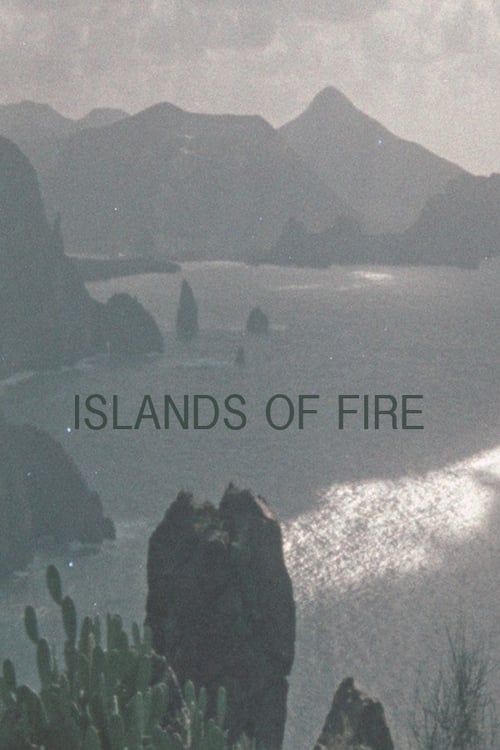
The first light of dawn. The sound of a boat and the screech of birds fill the wide expanse of sea. Black rocks emerge from the water, the “sciara” – the volcanic scoria – of Stromboli, the underwater sulfurous emanations, the layers of reddish rock eroded by the sea. The roar of the volcano can be heard, the flames and the liquid lava are thrown skyward. As nature unleashes itself, the fishermen row toward the shore, the sheep stray and the women return home.
1958

1927
1955
2013
1958

1929
1990

2016
No reviews yet. Be the first to share your thoughts on this movie!
Use the rating form above to leave a star rating and optional review.