Julius Caesar: Master of the Roman World
1993
No user ratings available yet
Representation score: 2.4 out of 10
Representation Score
Limited
2004
PGDirector
Joseph Maxwell
Runtime
105 minutes
Average Rating
No ratings yetNew Showbiz Analysis
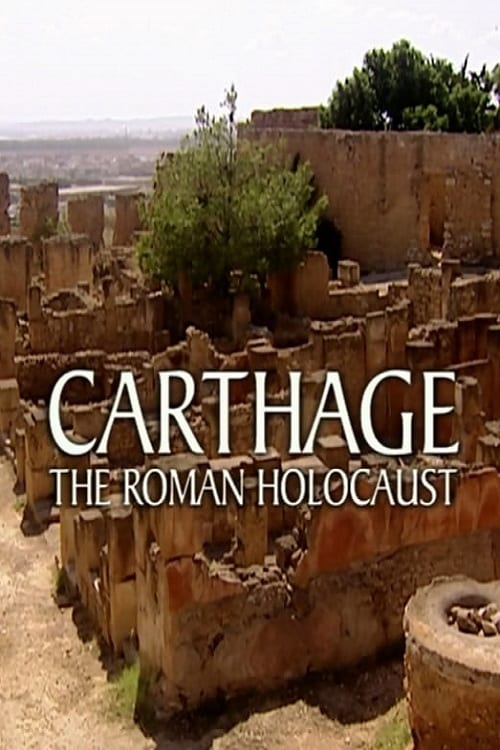
Carthage: The Roman Holocaust functions as a traditional historical documentary focused on the geopolitical struggle between Rome and Carthage. Its primary strength lies in its refusal to glorify Roman imperialism, instead centering the perspective of the conquered civilization. This provides a necessary counter-narrative to standard Western-centric histories. However, the film lacks modern multi-layered markers. The storytelling relies heavily on masculine-coded military clichés and lacks representation for LGBTQ+ identities or women's roles. While it captures the ethnic diversity inherent to the ancient Mediterranean, it does not employ intentional progressive casting or identity-based subversions.
Category Breakdown
The film focuses on the geopolitical rivalry and the destruction of Carthage. There are no visible LGBTQ+ characters or narratives addressing non-assuming gender matches what was assigned at birth identities.
The narrative centers on military conquest and state-level conflict. It follows traditional historical structures that prioritize patriarchal power dynamics over women's roles.
The documentary explores the conflict between two distinct Mediterranean powers. While it features diverse ancient ethnicities, it lacks modern multi-layered casting strategies.
By centering the perspective of the victimized Carthaginians, the film critiques Roman expansionism. This approach disrupts conventional Western-centric narratives that glorify imperial hegemony.
There is no evidence of characters with physical or neurodivergent disabilities within the film's historical context.
Present on Screen
Limited or Absent
Official Synopsis
When Rome was still in its infancy, Carthage was the dominant power of the Mediterranean. As Rome grew, Carthage remained its only great rival. It was that rivalry that drove Rome to utterly destroy Carthage, and massacre its people.
1993

2012
2003

2001
2022
2011

2006
2022
No reviews yet. Be the first to share your thoughts on this movie!
Use the rating form above to leave a star rating and optional review.