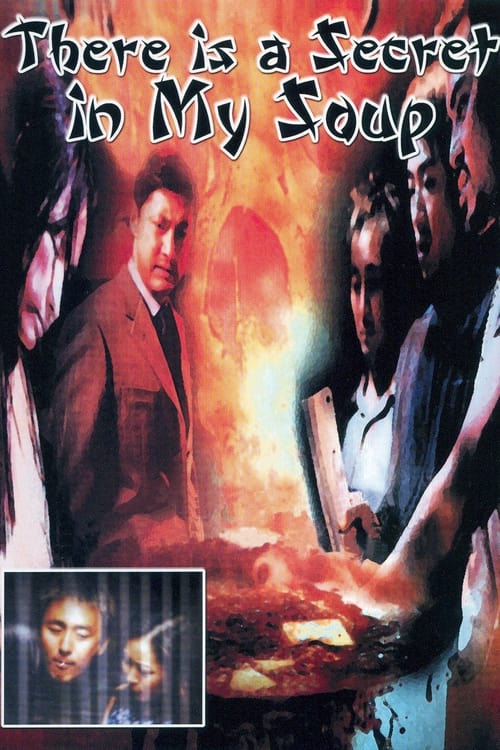
There Is a Secret in My Soup
2001
No user ratings available yet
Representation score: 1.1 out of 10

Representation Score
Minimal
1995
Director
Katsuya Matsumura
Runtime
68 minutes
Average Rating
No ratings yetNew Showbiz Analysis
The film is a harsh look at social collapse and individual vulnerability. It uses extreme victimization to highlight the darker sides of social behavior, but it does not provide progressive representation. The story focuses on a single, brutalized identity and lacks complexity in representing different aspects of people's identities. The narrative reinforces predatory hierarchies, even though it critiques them through horror. Ultimately, the film presents a grim portrayal of a real-world atrocity, emphasizing the failure of social institutions to protect individuals.
Category Breakdown
The film does not include any LGBTQ+ characters or narratives that question the assumption that everyone is straight or cisgender.
The story focuses on extreme violence against women, showing them as passive victims rather than active participants in their own stories.
The film reflects a homogeneous Japanese society without including characters from different racial backgrounds.
The story critiques the failures of community structures, highlighting the cruelty within a structured society.
The film does not portray any characters with disabilities having control over their lives; instead, it shows them as victims of violence.
Present on Screen
Limited or Absent
Official Synopsis
Based on the infamous "Concrete-encased high school girl murder case" that took place from November 1988 to January 1989 in Japan. Junko Furuta, a female 17 year old high school student, was kidnapped and confined in a house by four other male high school students (all juvenile) in the Ayase district of Adachi-ku, Tokyo, where she was repeatedly raped, sexually humiliated and tortured in an extremely brutish manner for 41 days before she finally died after a particularly severe beating. The boys hid her body in a drum and filled it with concrete, but the body was nonetheless discovered a few months later.
2001
2004
2021
1997

1992
2002
No reviews yet. Be the first to share your thoughts on this movie!
Use the rating form above to leave a star rating and optional review.