Juvenile Crime
1997
No user ratings available yet
Representation score: 3.8 out of 10
Representation Score
Fair
1992
Director
Katsuya Matsumura
Runtime
90 minutes
Average Rating
No ratings yetNew Showbiz Analysis
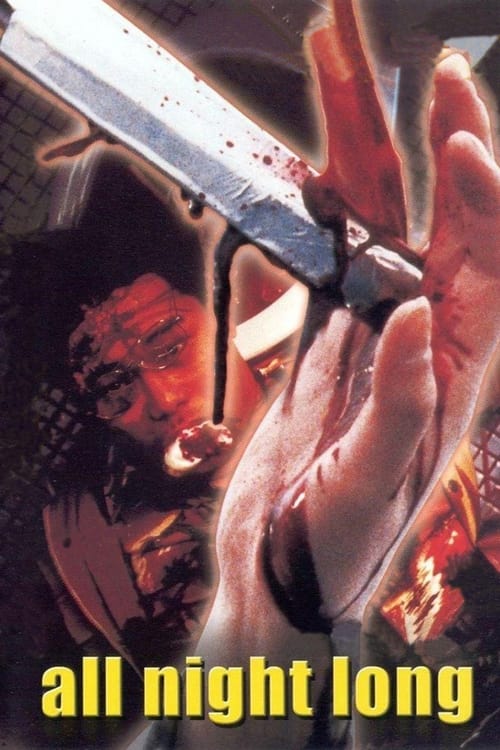
All Night Long is a gritty social critique that prioritizes visceral storytelling over demographic representation. It uses extreme violence and social alienation to deconstruct the perceived stability of the Japanese corporate and social order. The film's narrative strength lies in its subversion of institutional reliability. By depicting the corporate establishment as a source of chaos, it challenges the traditional pillars of post-bubble Japanese society. However, the film lacks depth in exploring multiple aspects of identity. It focuses heavily on male-driven responses to trauma and operates within a culturally homogeneous setting, leaving many representation categories unaddressed.
Category Breakdown
The film does not explicitly depict LGBTQ+ identities or explore non-straight relationships. Instead, it centers on shared trauma and violent confrontations.
Female characters play a key role in driving the plot through their experiences of victimization. However, the film primarily explores gendered trauma through extreme violence.
The movie operates within a culturally uniform Japanese context. It examines social hierarchies and tensions between youth subcultures and established social structures.
The story critiques the stability of the Japanese social order by portraying a salaryman as a source of violence. It highlights the failure of traditional institutions and social contracts.
There is no information regarding characters with physical, sensory, or neurodivergent disabilities.
Present on Screen
Limited or Absent
Official Synopsis
Three teenagers witness the brutal murder of a high school girl by an insane salaryman. The teenagers find themselves united by this event and become friends. Later the teenagers hold a party to take their mind off things. Their party is crashed by a local gang of thugs and one teenager finds his newly found girlfriend being raped. The teenagers deal with the thugs by using extreme violence.
1997

2001

1995

2001
1980
2009
1978
1995
No reviews yet. Be the first to share your thoughts on this movie!
Use the rating form above to leave a star rating and optional review.