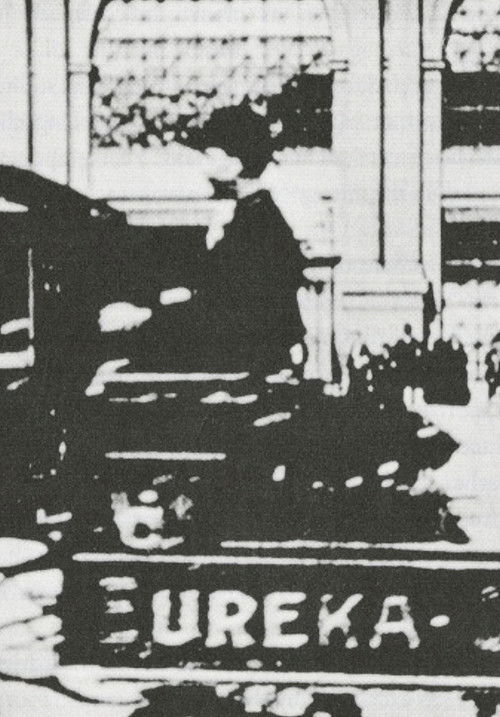
Eureka
1974
No user ratings available yet
Representation score: 0.6 out of 10
Representation Score
Minimal
1989
Director
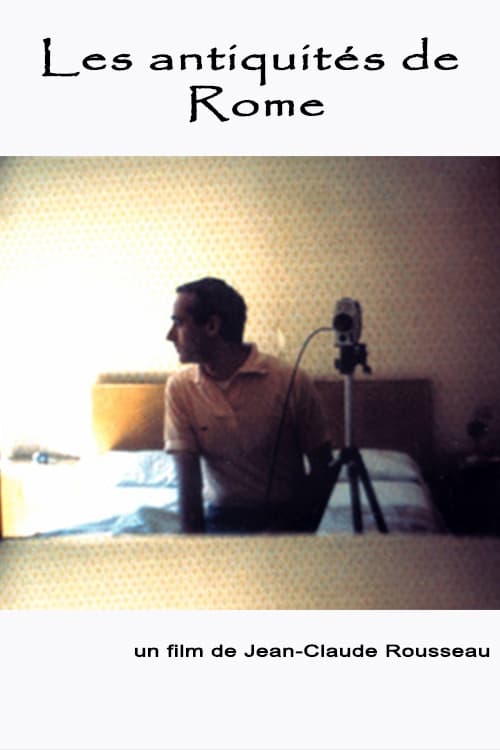
Jean-Claude Rousseau
Runtime
105 minutes
Average Rating
No ratings yetNew Showbiz Analysis
Jean-Claude Rousseau’s documentary is a formalist exploration of structuralism, focusing on the interplay of light and shadow in ancient ruins. It prioritizes this visual meditation over character-driven storytelling. The film avoids dialogue and narrative arcs, instead offering a contemplative view of historical decay. Due to its inanimate subject matter, traditional diversity metrics are not applicable. Consequently, the film does not engage with themes of identity, race, or gender.
Category Breakdown
The film focuses solely on ancient ruins and does not include any human subjects or interpersonal dynamics, making it impossible to assess LGBTQ+ representation.
Since the film concentrates on light, shadow, and stone, there are no gendered clichés or hierarchies to evaluate.
The subject matter is limited to ancient architecture, and there are no human characters to assess racial or ethnic diversity.
By focusing on historical ruins, the film avoids nationalistic morality but does not provide human ability to act to critique social frameworks.
The film does not feature any human subjects, so there is no opportunity to represent physical or neurodivergent identities.
Present on Screen
Limited or Absent
Official Synopsis
A structuralist work composed of static, long-duration shots of Roman ruins and architectural details, all filmed on Super 8. The film operates without a traditional narrative or dialogue, relying on fixed compositions to document the interplay of light and shadow across ancient stone. By framing monuments through windows and doorways, Jean-Claude Rousseau explores the relationship between historical space and the act of observation.
1974
1929
1965
2010
1972
1929

2001
2009
No reviews yet. Be the first to share your thoughts on this movie!
Use the rating form above to leave a star rating and optional review.