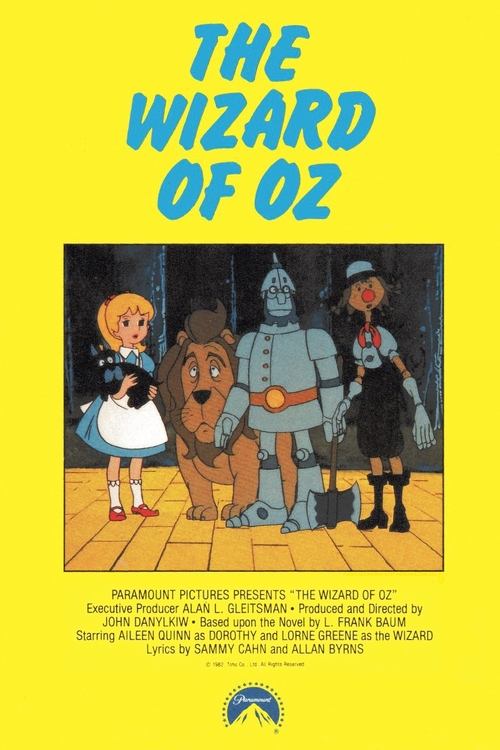
The Wizard of Oz
1982
No user ratings available yet
Representation score: 6.3 out of 10
Representation Score
Good
1987
TV-Y7Director
Tim Reid
Runtime
90 minutes
Average Rating
No ratings yetNew Showbiz Analysis
Tim Reid’s involvement signals an intentional departure from the monolithic casting traditions seen in previous iterations of this IP. By utilizing animation, the film transcends the visual limitations of the 1939 live-action classic, offering a more flexible canvas for diverse representation. The production benefits from the inherent flexibility of the animated medium, which allows for a more diverse character palette. This approach disrupts traditional casting norms and provides a foundation for a more inclusive narrative structure. However, the film remains at a moderate level of representation. While the creative pedigree and medium suggest potential for nuanced character arcs, specific evidence of deep, culturally rich narratives is limited.
Category Breakdown
The film does not explicitly confirm queer identities or explore non-cisgender storylines. However, the shift from the MGM framework to animation allows for more fluid character expressions.
Dorothy serves as a female protagonist who drives the plot through her own actions. The animation format offers potential to challenge traditional gender roles through whimsical designs.
Tim Reid’s direction suggests a more diverse character ensemble. The animated medium allows for race-bent casting that disrupts the historical Anglo-Saxon visual standards of the Oz mythos.
The story operates within a realm of non-traditional social structures and subjective morality. The wizard archetype provides a potential critique of centralized authority and systemic deception.
The Scarecrow, Tin Man, and Cowardly Lion function as metaphors for physical and cognitive vulnerabilities. They risk falling into clichés regarding whimsical disabilities despite their active roles.
Present on Screen
Limited or Absent
Official Synopsis
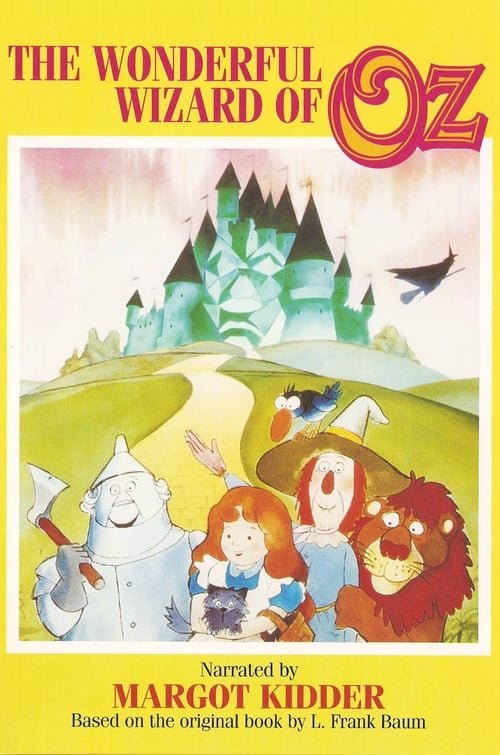
The Wonderful Wizard of Oz is an imaginative, feature-length animated film, faithfully adaptied from the classic book by L. Frank Baum. In this brand new version, the limitations of live action film are transcended by fanciful full animation and whimsical narration. This version of The Wonderful Wizard of Oz contains scenes from the book not included in the MGM movie. The Lightyear Wizard of Oz series was featured exclusively on HBO. Now reacquaint your family with some of the best loved characters ever to dance the yellow brick road and into your heart in this colorful, timeless adventure.
1982
1982

1987
1989

1990
2010

1976

1967
No reviews yet. Be the first to share your thoughts on this movie!
Use the rating form above to leave a star rating and optional review.