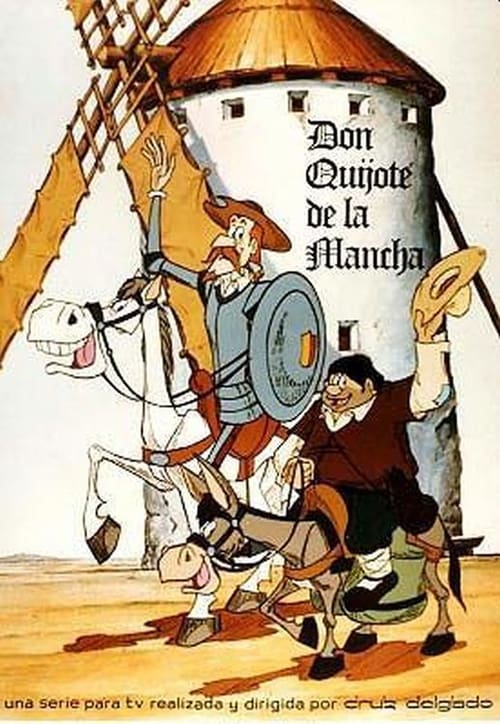
Don Quijote de la Mancha
1978
No user ratings available yet
Representation score: 2.6 out of 10
Representation Score
Fair
1976
Director
Eduardo Plá
Runtime
73 minutes
Average Rating
No ratings yetNew Showbiz Analysis
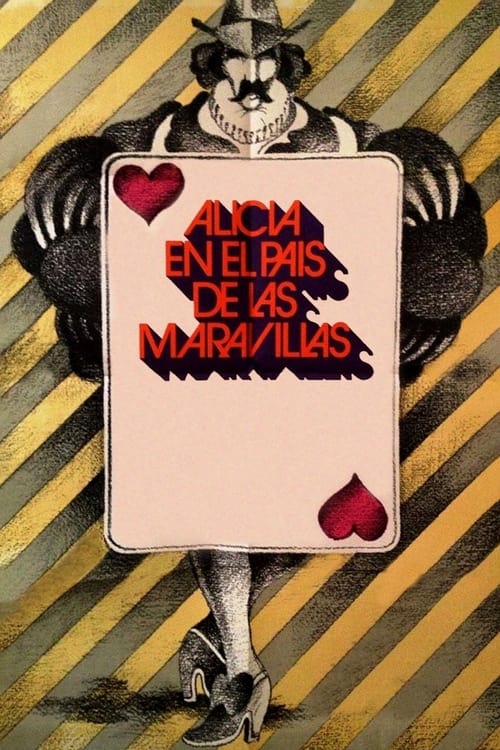
Eduardo Plá’s animation stands out for its use of allegory to mirror the complex socio-political landscape of 1970s Argentina. By presenting Wonderland as a reflection of contemporary systemic issues, the film transcends simple fantasy to offer a critique of reality. While the film excels in cultural depth and political subtext, it lacks specific representation of LGBTQ+ identities and disabilities. The narrative focuses on the protagonist's journey through a surreal, politically charged environment. Ultimately, the work is a culturally significant piece of Argentine animation that uses a familiar tale to explore complex, real-world social structures.
Category Breakdown
The film does not include explicit representations of LGBTQ+ identities or non-straight relationships. Although the surreal setting could allow for unconventional gender roles, there is no overt queer representation.
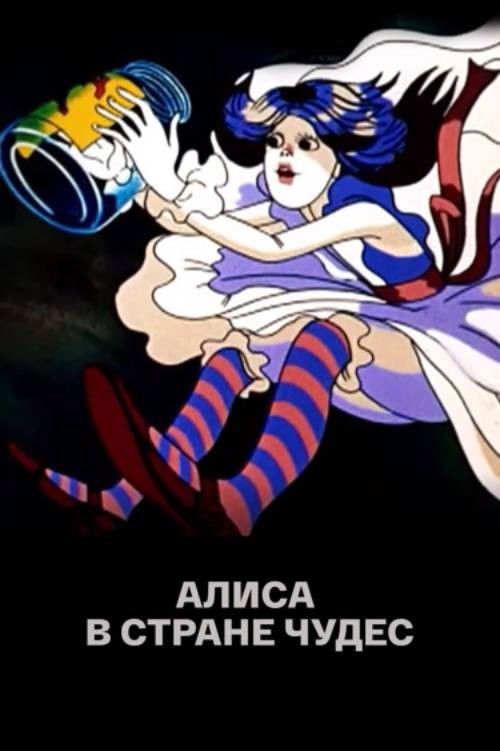
Alice is a central female character who play a significant role in driving the story, navigating a bizarre world. The unusual setting provides potential for challenging traditional gender roles and expectations.
As an Argentine production, the film moves away from Anglo-Saxon dominance. Specific character ethnicities are not specified, but the production context indicates a departure from typical North American homogeneity.
The film employs fantasy as a sophisticated allegory for the political and social instability of 1970s Argentina. It prioritizes political critique and personal experience over idealized Western narratives.
There is no discernible portrayal of physical or neurodivergent disabilities within the narrative.
Present on Screen
Limited or Absent
Official Synopsis
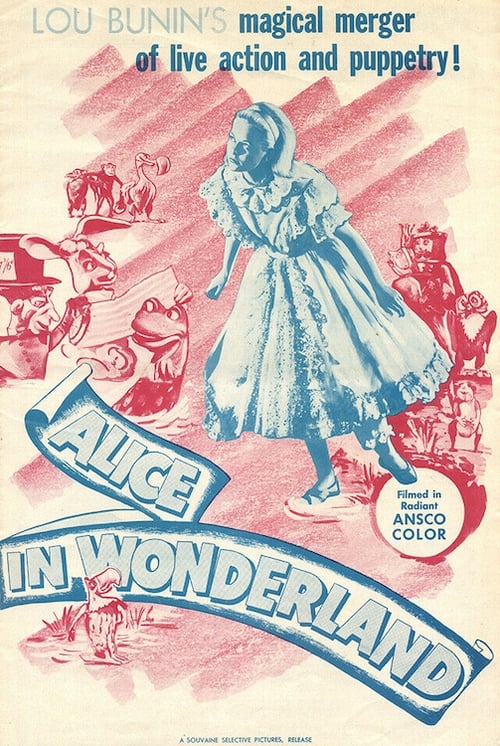
When young Alice sees a man who looks like a rabbit claiming that he is late, she follows him and stumbles into a bizarre, strange world as cryptic as the 1970s Argentina she left. English Title: Alice in Wonderland
1978
1951
1987
1982
1981
1970
1982
1949
No reviews yet. Be the first to share your thoughts on this movie!
Use the rating form above to leave a star rating and optional review.