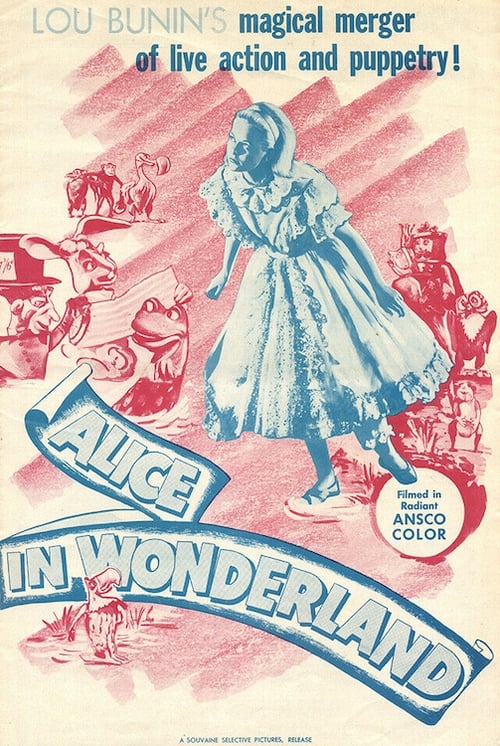
Alice in Wonderland
1949
No user ratings available yet
Representation score: 6.2 out of 10
Representation Score
Fair
2010
Director
Michael Conroy
Runtime
57 minutes
Average Rating
No ratings yetNew Showbiz Analysis
The film's main strength lies in its subversion of gendered clichés. By transforming Alice from a passive social participant into a decisive agent of change, the narrative successfully challenges the traditional heroine archetype. However, these progressive elements are offset by a lack of characters who reflect more than one aspect of diversity. The cast remains largely homogeneous, and the story lacks meaningful representation of LGBTQ+ identities and people with disabilities. Ultimately, while the film excels at presenting women's ability to drive the story and critiquing social hierarchies, it remains focused on a narrow, Anglo-centric demographic.
Category Breakdown
The film does not include explicit LGBTQ+ characters or non-cisgender identities. It focuses on Alice's personal growth within a straight-centered Victorian society, missing specific queer experiences.
Alice Kingsleigh challenges the damsel in distress cliché by becoming a proactive warrior. The Red Queen's character also showcases female authority within the fantasy world.
The cast is primarily white, reflecting the Anglo-centric roots of the source material. Diversity is shown through fantastical creatures rather than human ethnicities.
The narrative criticizes strict Victorian social structures and aristocratic expectations. The rebellion against the Red Queen is framed as a necessary act of liberation from centralized authority.
There are no meaningful depictions of physical, sensory, or neurodivergent disabilities. The surreal landscape serves as an aesthetic choice rather than a representation of lived disabilities.
Present on Screen
Limited or Absent
Official Synopsis
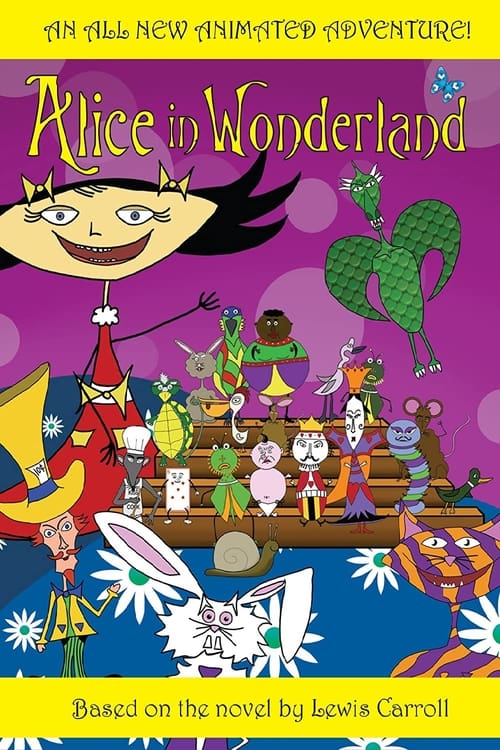
This production was originally broadcast on radio back in the 1940s. It was put on DVD with new animation.
1949
1940
1966
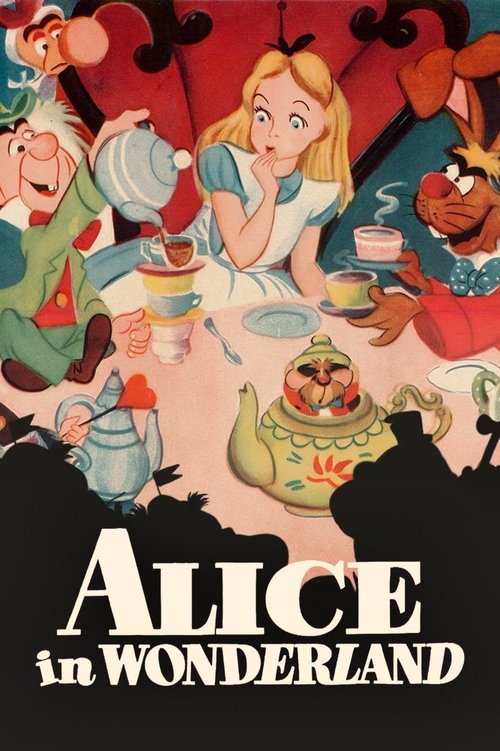
1951
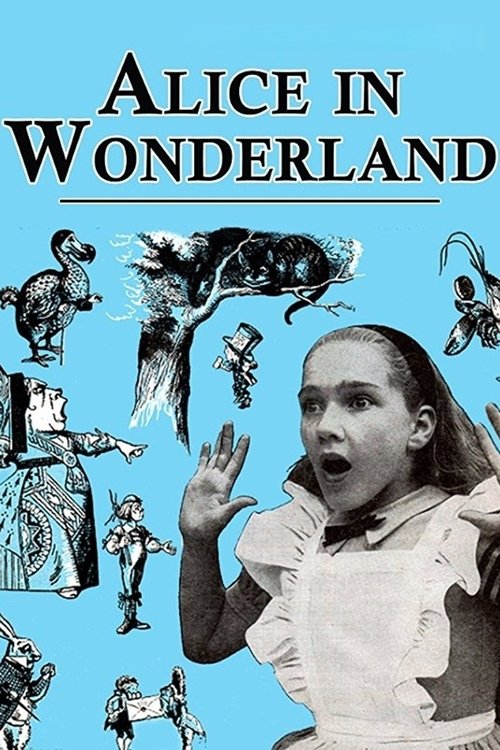
1955
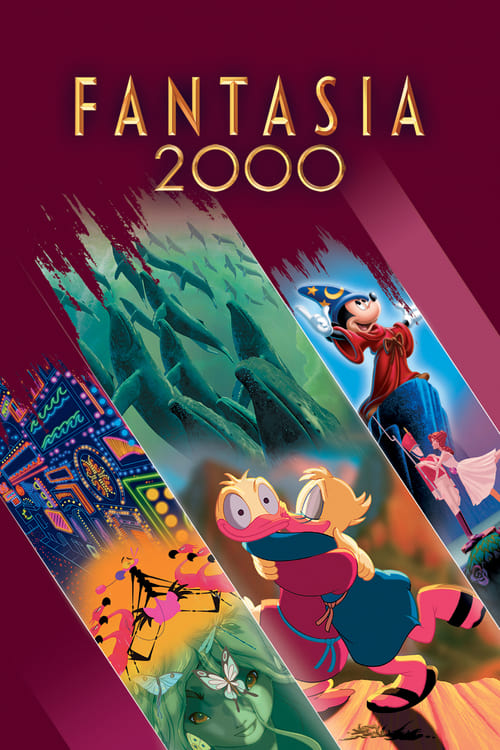
2000
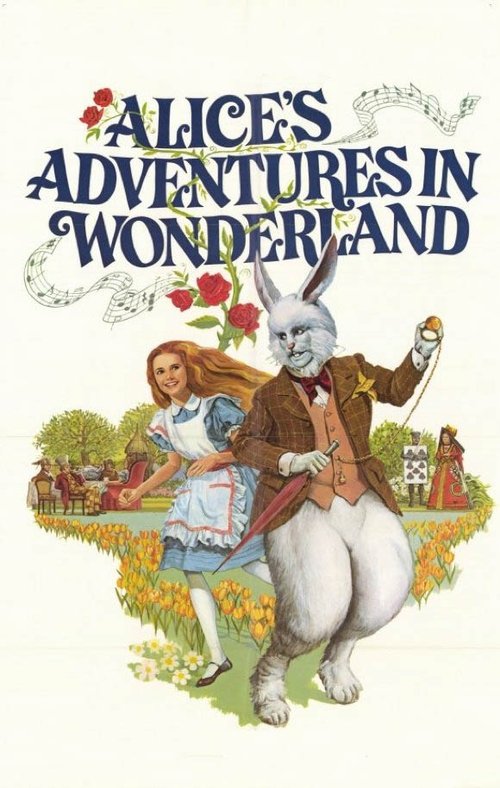
1972
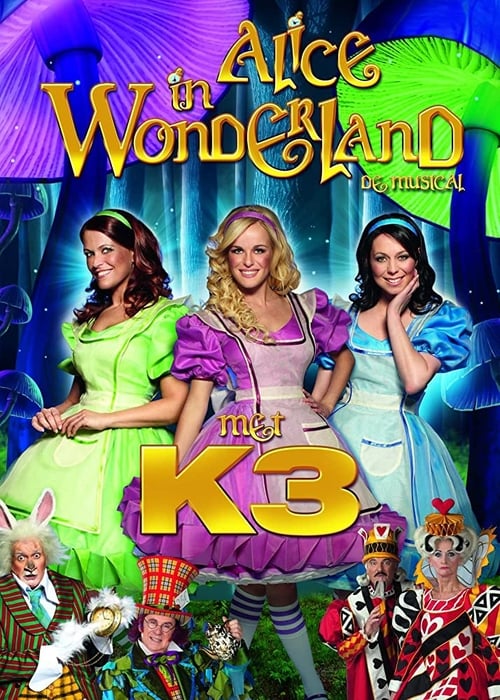
2011
No reviews yet. Be the first to share your thoughts on this movie!
Use the rating form above to leave a star rating and optional review.