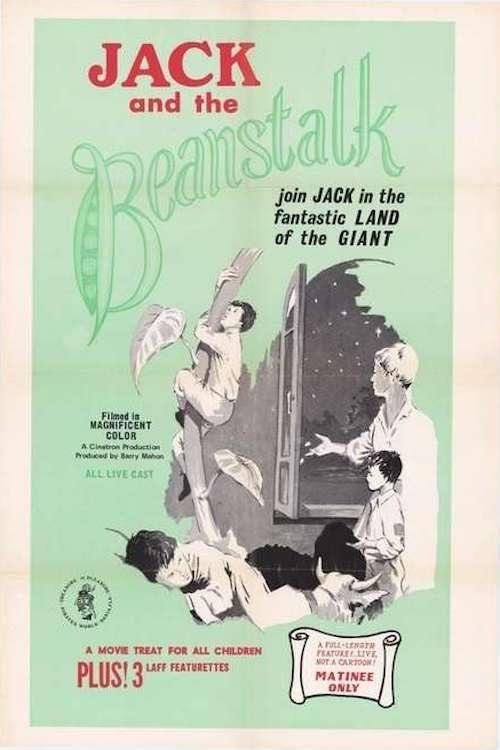
Jack and the Beanstalk
1970
No user ratings available yet
Representation score: 0.9 out of 10
Representation Score
Minimal
1967
Director
Gene Kelly
Runtime
52 minutes
Average Rating
No ratings yetNew Showbiz Analysis
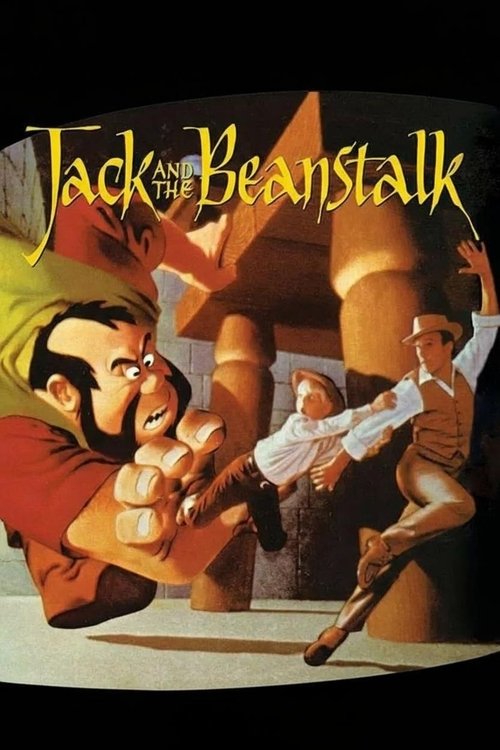
This 1967 Hanna-Barbera production follows the conventional representational structure of mid-century family media. It prioritizes established folklore and traditional social hierarchies over diverse representation. The film lacks any visible evidence of LGBTQ+ identities, racial diversity, or disability representation. It functions as a standard Western European fairy tale adaptation. Ultimately, the production reinforces mid-century norms, focusing on a singular hero archetype and traditional moral structures common to the era's animation.
Category Breakdown
The film does not include any non-binary gender identities or same-sex relationships. It adheres to the assumption that everyone is straight or cisgender, which was common in 1967 family animation.
The story likely focuses on male characters through the Jack archetype. Female characters tend to have passive or domestic roles that align with the era's standards.
As an adaptation of Western European folklore, the production likely features a homogeneous cast. There is no evidence of diverse character ensembles or race-bent casting.
The story relies on a classic Western folklore framework. It reinforces traditional storytelling values and moral structures without offering cultural critiques.
There is no documented evidence of characters with visible or invisible disabilities. No representation of disability with real power is present in the work.
Present on Screen
Limited or Absent
Official Synopsis
A delightful retelling of the classic fairytale by Hanna-Barbera, using live action and animation.
1970
1902
1974
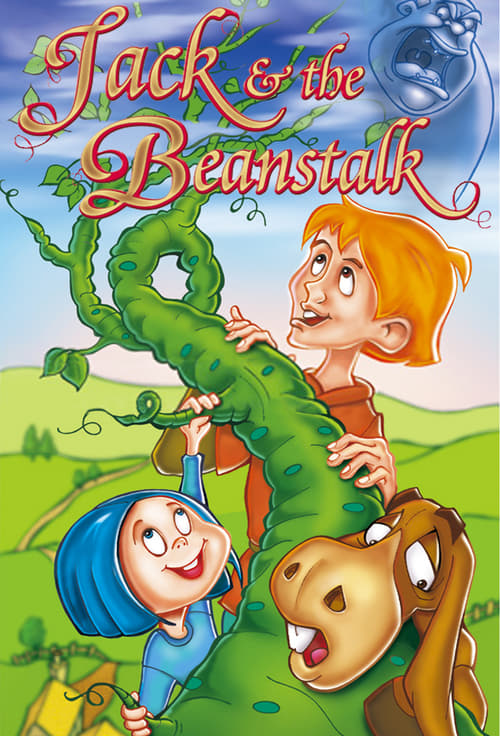
1999
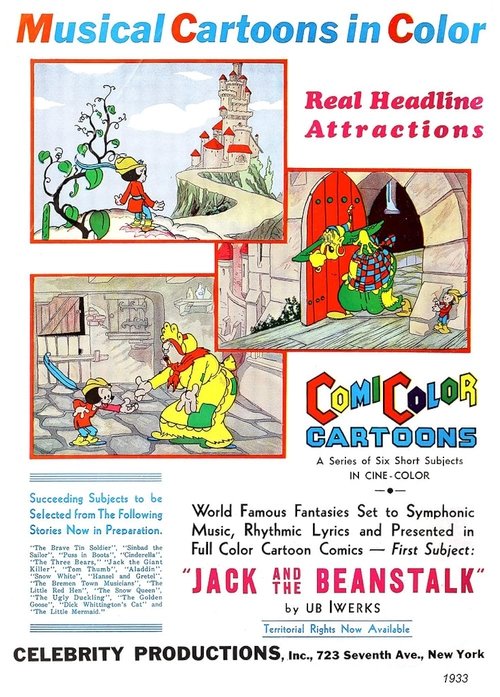
1933
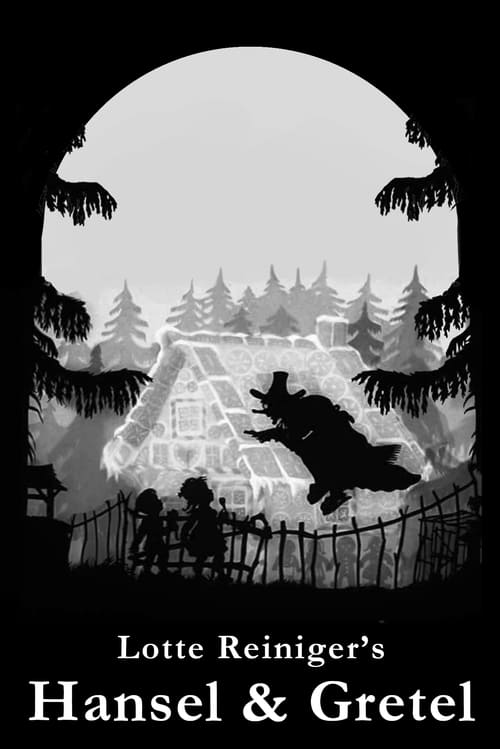
1954
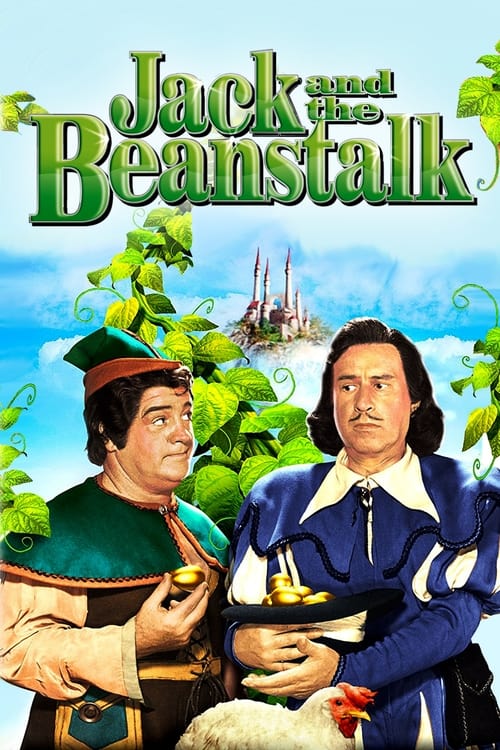
1952
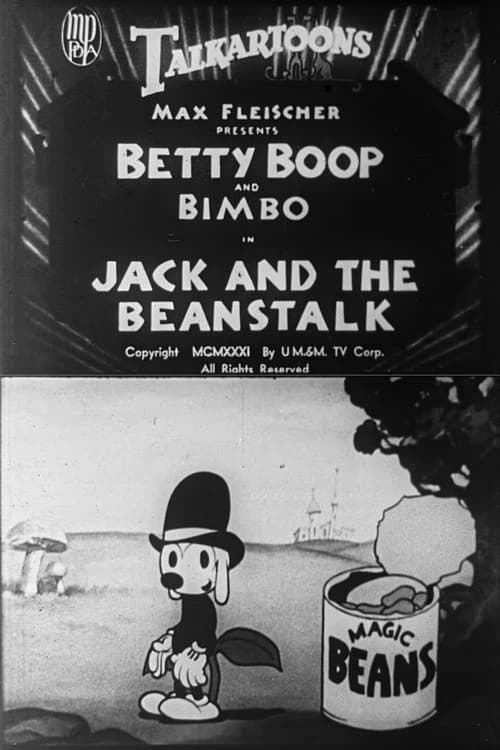
1931
No reviews yet. Be the first to share your thoughts on this movie!
Use the rating form above to leave a star rating and optional review.