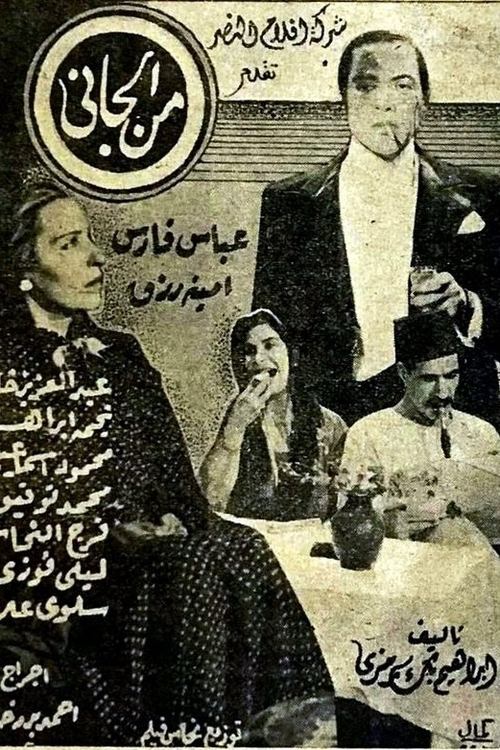
Who's Done it ?
1944
No user ratings available yet
Representation score: 1.8 out of 10
Representation Score
Limited
1969
Director
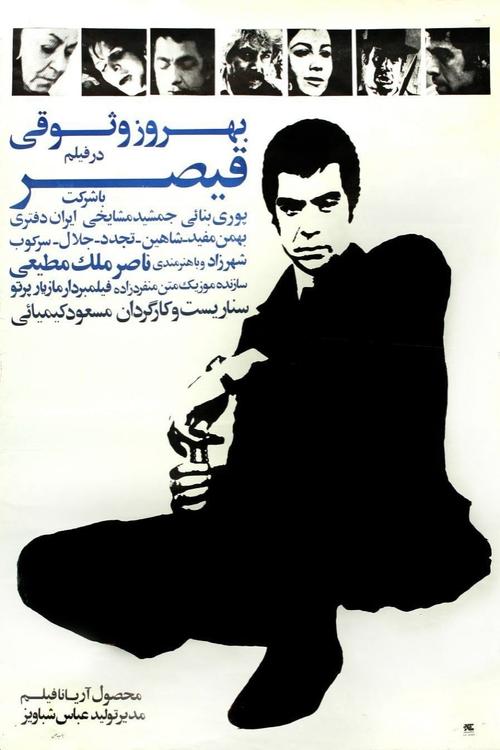
Masoud Kimiai
Runtime
100 minutes
Average Rating
No ratings yetNew Showbiz Analysis
Qeysar is a landmark of the Iranian New Wave that prioritizes social realism over commercial melodrama. It succeeds in establishing a distinct, non-Western cinematic identity by focusing on the gritty textures of Tehran's working class. However, the film is limited by the social constraints of its 1969 setting. It maintains a rigid patriarchal structure where women lack independent ability to act, and it offers no visibility for LGBTQ+ identities or characters with disabilities. Ultimately, the film's strength lies in its sophisticated critique of institutional corruption. While it lacks modern diversity metrics, its subversion of state-sanctioned narratives provides a powerful, localized perspective.
Category Breakdown
The film focuses solely on a traditional masculine underworld and does not include any queer narratives or non-straight gender identities.
Women play mostly peripheral or domestic roles, serving as catalysts for the male protagonist rather than driving the plot themselves. The narrative upholds a patriarchal hierarchy and masculine honor codes.
The film centers on the Iranian working-class experience in Tehran, avoiding a Western-centric perspective by highlighting specific, localized socio-cultural textures.
The narrative critiques established power dynamics and ineffective state institutions, elevating the outsider as a moral agent and presenting vigilante justice as a response to systemic failures.
There is no significant or meaningful depiction of physical or neurodivergent disabilities within the film.
Present on Screen
Limited or Absent
Official Synopsis
A young man's drive to avenge for his sister and brother.
1944

1979

1950

1973

1976

2019
1961

2014
No reviews yet. Be the first to share your thoughts on this movie!
Use the rating form above to leave a star rating and optional review.