A Short Film About Killing
1988
No user ratings available yet
Representation score: 1.9 out of 10
Representation Score
Fair
1966
Director
Walerian Borowczyk
Runtime
15 minutes
Average Rating
No ratings yetNew Showbiz Analysis
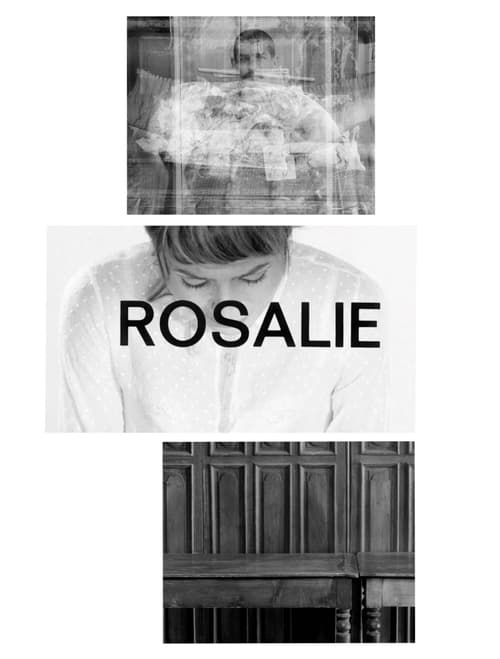
Rosalie is a character-driven film that emphasizes female autonomy and cultural critique over broad demographic representation. While it lacks LGBTQ+ and racial diversity, it excels in challenging traditional moral hierarchies. The protagonist's ability to shape her environment through her own desires offers a fresh perspective on female empowerment. This contrasts with the submissive female roles often seen in period dramas. Overall, the film's strength lies in its critique of traditional moral structures, despite being rooted in a historically homogeneous society.
Category Breakdown
The film adheres to traditional assumptions about straight relationships and gender matching assigned at birth. It does not include diverse LGBTQ+ identities or perspectives.
Rosalie challenges traditional passive female roles by using her sexuality to influence others. She drives the story based on her own desires, breaking away from conventional gender norms.
The film is set in a rural French village with a predominantly white cast, reflecting the historical demographics of the time. The focus is on class differences rather than racial or ethnic diversity.
The film questions the dominance of Christian morality by highlighting personal impulses over religious judgment. It portrays the social norms of the time as confining.
The story focuses on socioeconomic status and sexual autonomy, without depicting any visible or invisible disabilities.
Present on Screen
Limited or Absent
Official Synopsis
Based on a short story by Guy de Maupassant, Borowczyk relates the plight of a servant girl who killed and buried her child in the garden.
1988
1964
1903
1978
1970

1968
1977
1986
No reviews yet. Be the first to share your thoughts on this movie!
Use the rating form above to leave a star rating and optional review.