Morals for Women
1931
No user ratings available yet
Representation score: 3.3 out of 10
Representation Score
Fair
1935
Director
Chusheng Cai
Runtime
106 minutes
Average Rating
No ratings yetNew Showbiz Analysis
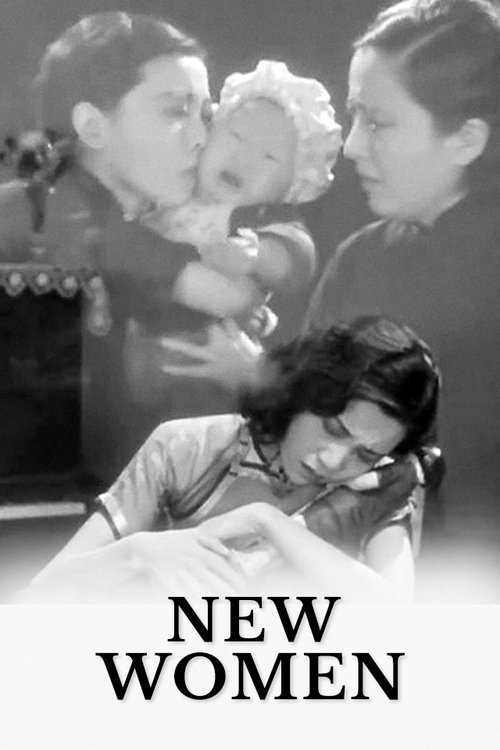
New Women is a landmark of progressive cinema that challenges social hierarchies. By focusing on a female protagonist's struggle for professional and intellectual independence, the film disrupts traditional stereotypes. It links individual struggles to broader systemic issues. The film's strength lies in its layered approach, combining gender, class, and economic survival. It moves beyond simple melodrama to critique patriarchal and capitalist forces that push the protagonist toward labor. This creates a narrative of social awareness. While the film excels in critiquing gender and culture, it remains limited by its historical focus. The lack of LGBTQ+ representation and the homogeneous cast reflect the era's social boundaries, though the internal social commentary remains important.
Category Breakdown
The film does not include any LGBTQ+ characters or non-straight relationships. The story centers on the gendered and class-based struggles of the female protagonist in 1930s Shanghai.
The narrative challenges traditional gender roles by focusing on the 'New Woman' archetype. It highlights the protagonist's pursuit of professional independence and the systemic exploitation of women's bodies.
The film features a culturally homogeneous Chinese cast reflecting its historical context. It explores identity and social stratification within urban China.
The film critiques capitalist structures and oppressive social institutions. It examines the breakdown of traditional family units due to economic and patriarchal pressures.
There are no prominent depictions of physical or neurodivergent disabilities that drive the narrative.
Present on Screen
Limited or Absent
Official Synopsis
Overnight, the sexy Wei Ming will become a successful novelist. But, desperate to get the money that she needs to cure her little daughter (and harassed by a rich, unscrupulous rake), she will end up eventually engage in luxury prostitution.
1931

1929
1925

1956
1934
1920

1933
1933
No reviews yet. Be the first to share your thoughts on this movie!
Use the rating form above to leave a star rating and optional review.