Tiger Trouble
1945
No user ratings available yet
Diversity score: 1.4 out of 10
1940
NRDirector
Jack Kinney
Runtime
9 minutes
Average Rating
No ratings yetSynopsis
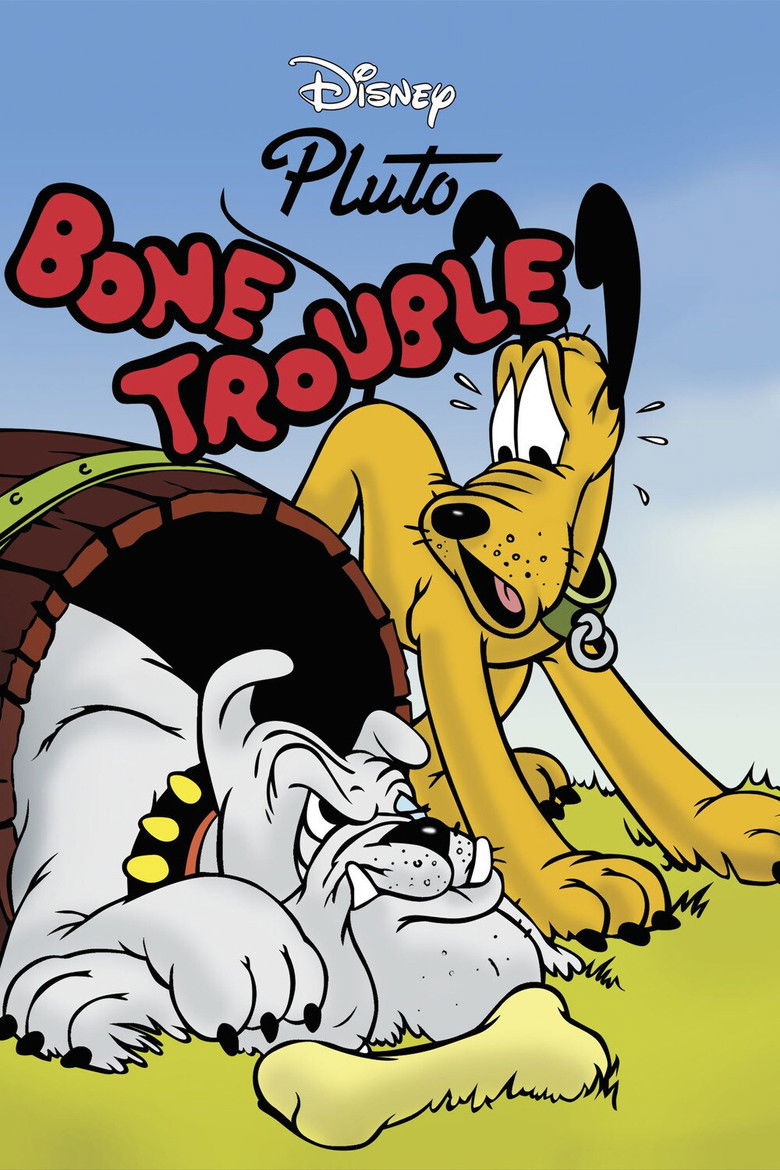
Pluto is on the run after stealing a bone from Butch the bulldog and finds refuge in a carnival Hall of Mirrors.
Overall Score
Minimal
Category Breakdown
LGBTQ+ Representation
The film focuses on a pursuit-based comedy between animal characters. There are no narratives addressing non-cisnormative identities or heteronormativity.
Gender Representation
The anthropomorphic cast bypasses human gender hierarchies. However, the lack of female-coded characters with agency results in a low score.
Racial & Ethnic Diversity
The cast consists entirely of animals. The narrative follows a standard slapstick conflict without indicators of racialized subtext or diverse casting.
Religious & Cultural Diversity
The story adheres to traditional 1940s comedic tropes. It lacks any critique of Western institutions, religion, or systemic ideological structures.
Disability Representation
Characters function as standard comedic vessels. There is no indication of physical or neurodivergent traits used to explore lived experiences.
Strengths
Areas for Improvement
AI Analysis
Bone Trouble is a quintessential example of 1940s slapstick animation, prioritizing physical comedy and timing over social depth. The narrative is a linear pursuit story centered on Pluto and Butch, utilizing a Hall of Mirrors as a comedic obstacle. Because the film relies on animal archetypes, it avoids human social complexities entirely. The characters serve as vessels for movement and gag-driven conflict rather than identity-driven storytelling. Ultimately, the film reflects the era's production standards, where the focus remained on technical mastery of animation and comedic pacing rather than intersectional representation.
1945
1942
1927
1940
1948
1950
1947
1946
1934
1939
1941
1939
No reviews yet. Be the first to share your thoughts on this movie!
Use the rating form above to leave a star rating and optional review.