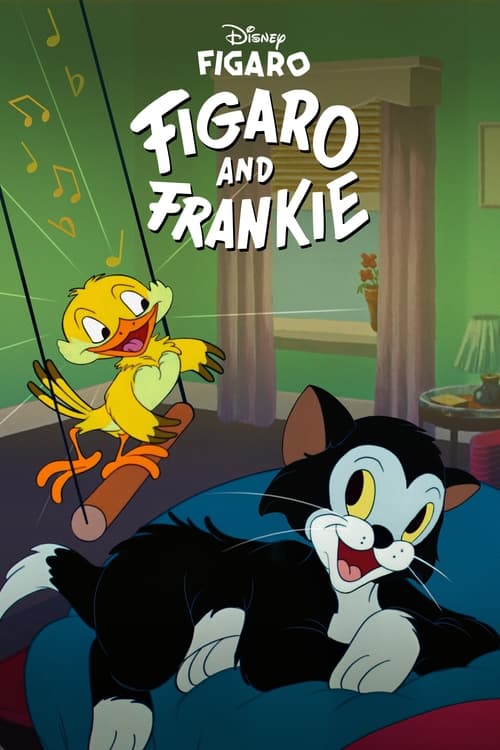
Figaro and Frankie
1947
No user ratings available yet
Representation score: 0.9 out of 10
No Poster Available
Representation Score
Minimal
1942
Director
Hugh Harman
Runtime
9 minutes
Average Rating
No ratings yetNew Showbiz Analysis
The Hungry Wolf is a product of its historical era, prioritizing slapstick humor and survivalist themes over social complexity. As a nature-centric fable, it avoids human social structures entirely, resulting in a lack of representation across most identity-based categories. The narrative structure adheres to traditional anthropomorphic storytelling. It focuses on biological imperatives rather than disrupting conventional expectations or addressing multi-layered themes. Ultimately, the film operates within a narrow, non-challenging framework. It lacks the intentionality needed to explore diverse perspectives, reflecting the standard animation practices of the early 1940s.
Category Breakdown
The film presents a nature-based fable focused on a solitary animal. It does not include any depictions of non-straight relationships or non-cisgender identities.
The story centers on a single wolf's survival, focusing on biological needs rather than engaging with gender hierarchies or social constructs.
Set in a non-human environment, the film avoids direct racial conflict but also lacks diverse casting or metaphorical explorations of identity. It reflects the homogeneous storytelling standards of the 1940s.
The story follows a traditional moral arc centered on survival and natural order. It does not challenge established social or institutional norms.
The protagonist's struggle revolves around hunger and environmental hardship. There is no evidence of characters possessing visible or invisible disabilities.
Present on Screen
Limited or Absent
Official Synopsis
It's the dead of winter, a hungry wolf is out of food, and he's desperate.
1947
1941
1943
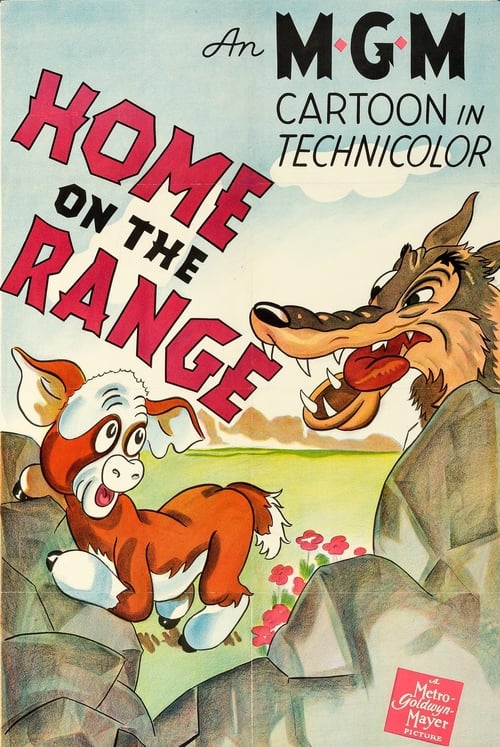
1940
1950
1936
1937
1950
No reviews yet. Be the first to share your thoughts on this movie!
Use the rating form above to leave a star rating and optional review.