Othello
2026
No user ratings available yet
Representation score: 2.0 out of 10

Representation Score
Fair
2001
Director
Geoffrey Sax
Runtime
98 minutes
Average Rating
No ratings yetNew Showbiz Analysis
This reimagining of Shakespeare's tragedy shifts from historical escapism to a gritty, near-future London. By focusing on racial tensions and the dynamics of an interracial relationship, the film highlights the central role of a Black protagonist within a professional hierarchy. While the film adheres to traditional heterosexual norms, it uses its setting to critique institutional stability. The tension between Othello and Jago explores how identity-based power struggles can destabilize social orders. Overall, the production offers a sophisticated exploration of systemic friction. It goes beyond simple drama to examine the complexities of modern identity politics and the vulnerabilities of individuals within patriarchal structures.
Category Breakdown
The film follows a traditional structure centered around heterosexual relationships. There is no depiction of same-sex intimacy or non-binary gender identities.
Female characters operate in a high-stakes, male-dominated environment. While Dessie is important, her role is often constrained by the male characters' conflicts.
The film excels by making racial identity a key part of the story. It challenges traditional norms by placing a Black police officer in a prominent position.
The setting critiques Western institutions through a lens of systemic conflict. It portrays the state as a site of tension rather than a stable entity.
There is no focus on visible or invisible disabilities. Characters are primarily defined by their professional roles and racial identity.
Present on Screen
Limited or Absent
Official Synopsis
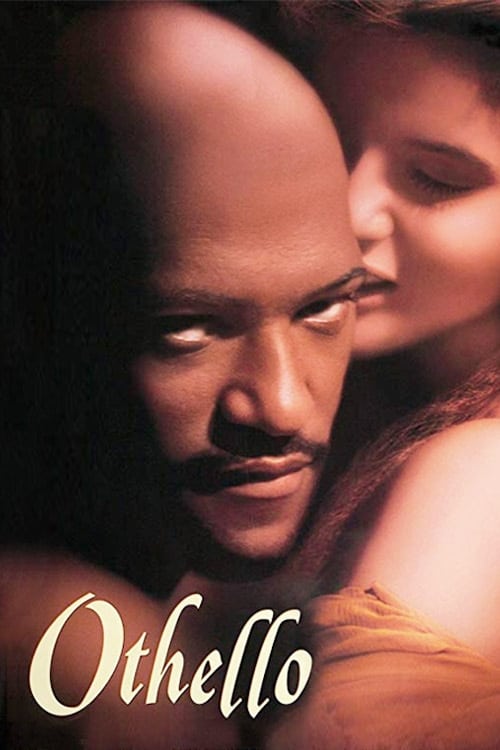
With freshly rechristened characters and brand-new dialogue, this British TV production of Othello is a "rethinking" of Shakespeare's play, albeit still retaining the original's power and potency. The story is set in the London of the near future, a crime-ridden metropolis virtually torn apart by racial hostilities. By order of the Prime Minister, black police officer John Othello (Eamonn Walker) is promoted to Commissioner, a post dearly coveted by Othello's friend, mentor and fellow officer Ben Jago (Christopher Eccleston). Seething with jealousy, Jago contrives to discredit Othello in the eyes of the public, and to destroy John's interracial marriage to the lily-white Dessie (Keeley Hawes). Among those used as unwitting dupes to gain Jago's ends are Othello's trusted lieutenant, Michael Cass (Richard Coyle), scrupulously honest police constable Alan Roderick (Del Synnott), and Jago's own wife, Lulu (Rachael Stirling).
2026
1951
2016
1995
1965
1950

2024
1957
No reviews yet. Be the first to share your thoughts on this movie!
Use the rating form above to leave a star rating and optional review.