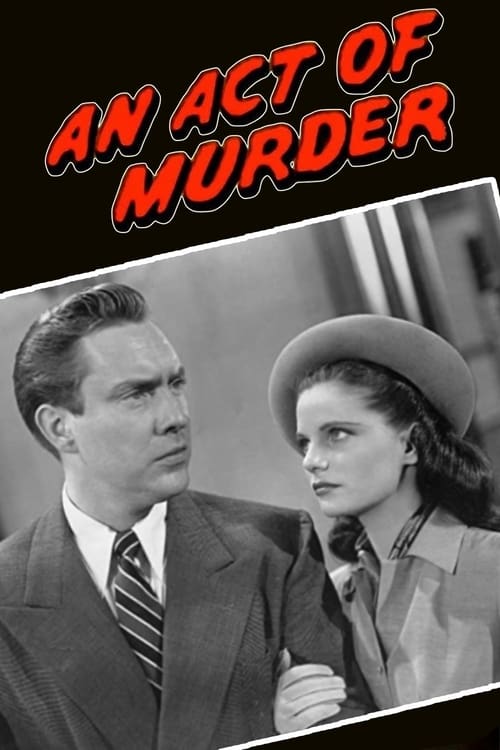
An Act of Murder
1948
No user ratings available yet
Representation score: 2.5 out of 10
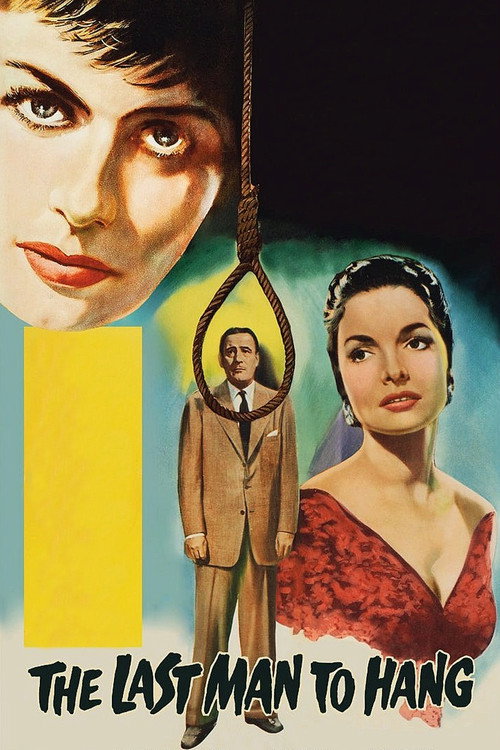
Representation Score
Minimal
1956
NRDirector
Terence Fisher
Runtime
75 minutes
Average Rating
No ratings yetNew Showbiz Analysis
The Last Man to Hang is a quintessential mid-century crime drama that prioritizes genre conventions over social complexity. The narrative structure reinforces traditional hierarchies rather than disrupting them, focusing heavily on masculine archetypes and established social orders. Because the film adheres to the demographic and ideological homogeneity of 1950s cinema, it lacks multi-layered depth. The storytelling centers on a singular, traditionalist view of justice and masculinity, offering little representation for underrepresented groups.
Category Breakdown
The film operates within a strictly straight-centered framework. There is no discernible presence of non-straight or non-cisgender identities or same-sex intimacy.
The story reinforces traditional mid-century hierarchies. It focuses on masculine archetypes and characterizes the female lead through the cliché of feminine instability.
The cast is predominantly homogeneous, reflecting the demographic norms of 1956. No non-Anglo-Saxon characters with significant roles are present.
The narrative functions as a traditional genre piece that reinforces established social orders. It does not critique Western institutions or traditional family structures.
There is no evidence of characters with visible or invisible disabilities. No neurodivergent or physically impaired characters are integrated into the story.
Present on Screen
Limited or Absent
Official Synopsis
A man is tried for the murder of his neurotic wife by means of a sedative overdose.
1948
1950
1946

1958

1957
1939
1951
1940
No reviews yet. Be the first to share your thoughts on this movie!
Use the rating form above to leave a star rating and optional review.