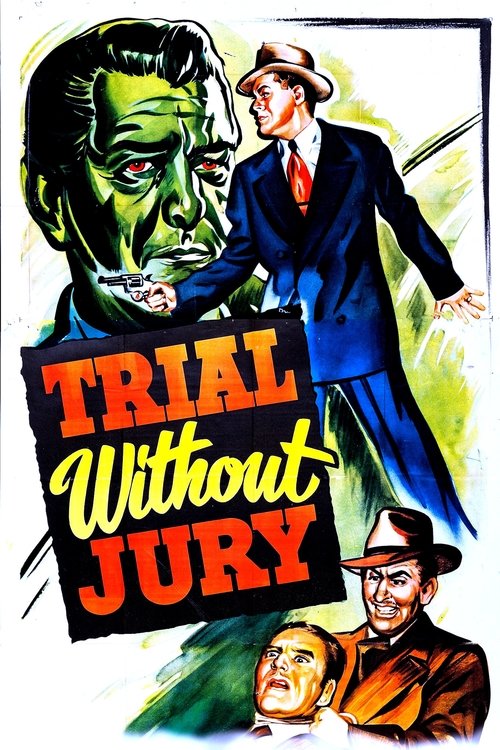
Trial Without Jury
1950
No user ratings available yet
Representation score: 0.9 out of 10

Representation Score
Minimal
1957
Director
Charles Saunders
Runtime
63 minutes
Average Rating
No ratings yetNew Showbiz Analysis
The End of the Line is a conventional 1957 crime drama that reflects the standard studio system constraints of its era. The narrative relies on established genre clichés rather than social subversion. While the female lead is a central catalyst for the plot, her characterization remains tied to the manipulative femme fatale archetype. The film lacks diverse casting and multi-layered complexity. Ultimately, the production functions as a period-typical genre piece. It prioritizes traditional justice and social order over any meaningful representation of underrepresented identities or systemic critique.
Category Breakdown
The film does not include any documented LGBTQ+ characters or narratives. Given the strict censorship standards of 1957, the film adheres to traditional views without challenging the assumption that everyone is straight or cisgender.
A female lead drives the plot by framing a man for murder. While she plays a significant role in driving the story, her role relies on the traditional femme fatale archetype.
The story centers on an American writer and a nightclub owner. There is no indication of a non-white majority cast or diverse ethnic perspectives.
The narrative follows a conventional crime drama structure. It emphasizes individual morality and social order rather than critiquing Western institutions or ideologies.
There is no evidence of characters with physical or neurodivergent disabilities being included in the film.
Present on Screen
Limited or Absent
Official Synopsis
The wife of a night club owner frames an American writer for his murder.
1950
1950
1950

1958
1951
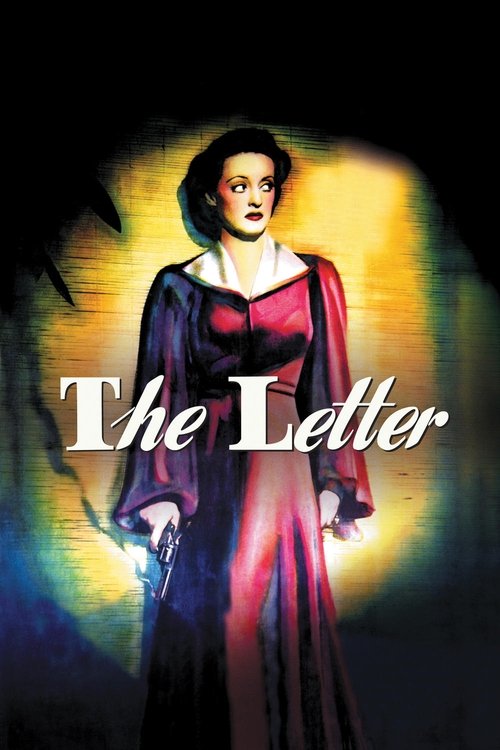
1940
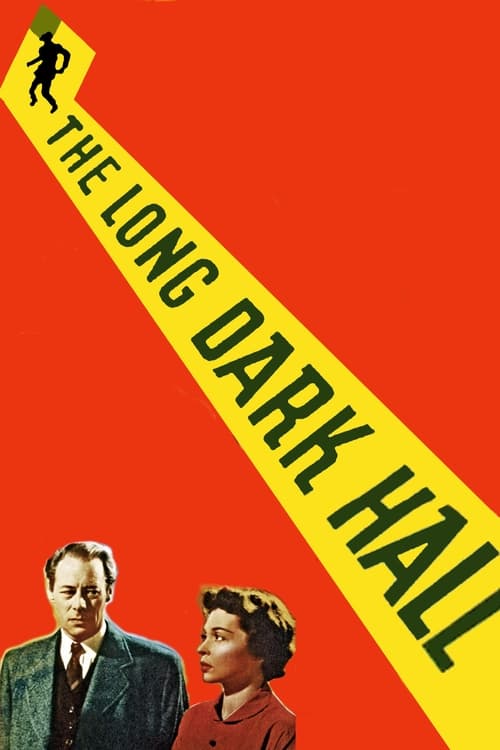
1951
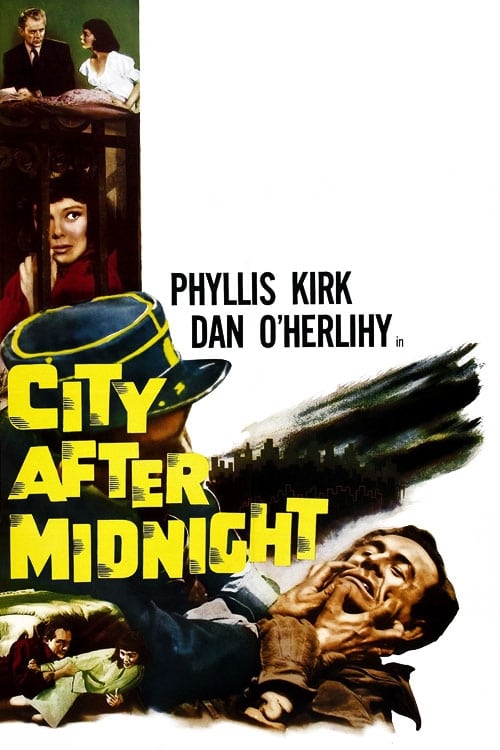
1957
No reviews yet. Be the first to share your thoughts on this movie!
Use the rating form above to leave a star rating and optional review.