Propaganda
1999
No user ratings available yet
Representation score: 3.6 out of 10
Representation Score
Fair
1999
Director
Kathem Al-Qallaf
Runtime
128 minutes
Average Rating
No ratings yetNew Showbiz Analysis
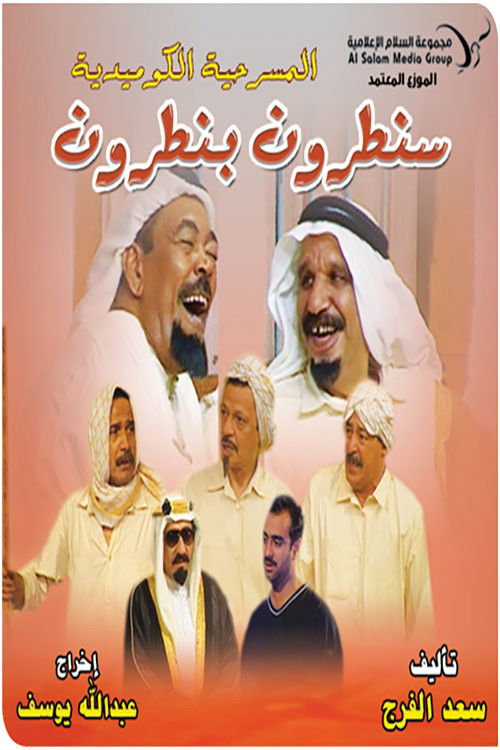
Santaron Bantaron offers a localized study of systemic change, focusing on the friction between traditional societal structures and the disruptive influx of global capital. By centering the transition from maritime livelihoods to oil-based economies, the work provides a vital non-Western perspective on modernization. The narrative succeeds in showing how rapid economic shifts redefine identity and social behavior. It avoids Western-centric clichés of progress, instead framing development through the lens of local customs and the disruption of indigenous social fabrics. However, the lack of specific character details leaves questions regarding the representation of gender and LGBTQ+ identities. While the themes suggest social flux, the actual presence of diverse identities remains unverified.
Category Breakdown
The narrative focuses on the socio-economic transformation of a Kuwaiti village. There are no explicit mentions of LGBTQ+ characters or non-straight relationships within the story.
The play explores a period of profound cultural upheaval. This shift from maritime to oil-based economies suggests a possible reconfiguration of gender roles in both public and private spheres.
The work is deeply rooted in the specific ethnic identity of the Gulf region. It provides a non-Western perspective on modernization by centering a local Kuwaiti village.
The film examines how oil acted as a catalyst for the erosion of ancestral customs. It explores the tension between traditional maritime life and the influx of new, unfamiliar behaviors.
There is no evidence regarding the portrayal of physical or neurodivergent characters in the provided material.
Present on Screen
Limited or Absent
Official Synopsis
What was the impact of the emergence of oil on Kuwait in particular and on the Gulf society in general? How did people behave? What were their customs and traditions?! What was the impact of oil on them, bringing about many changes? The play deals with one of the Kuwaiti villages overlooking the sea, in the late forties, when World War II was ending, and the State of Kuwait, and the Gulf states in general, were preparing to move from the sea - to depend on their livelihood - to the land and desert, where oil began to flow, and with it flowed new customs, different behavior, and ideas that Kuwaiti society was not familiar with.
1999
2011
1971

1999
1968

2018
2009
2017
No reviews yet. Be the first to share your thoughts on this movie!
Use the rating form above to leave a star rating and optional review.