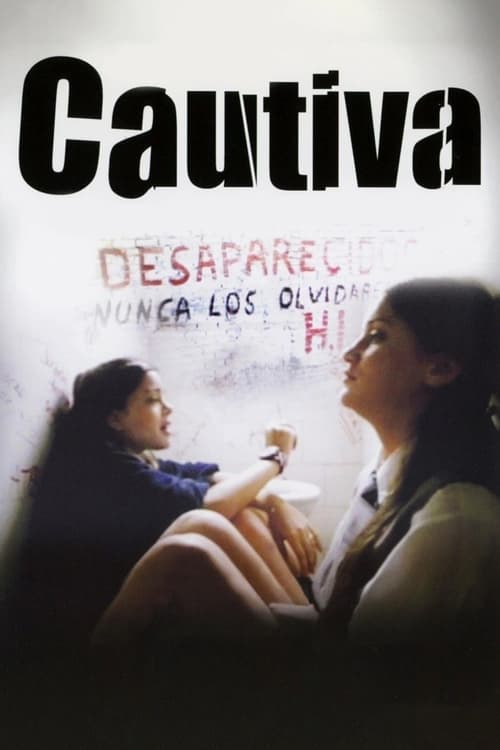
Cautiva
2004
No user ratings available yet
Representation score: 3.8 out of 10
Representation Score
Good
1989
RDirector
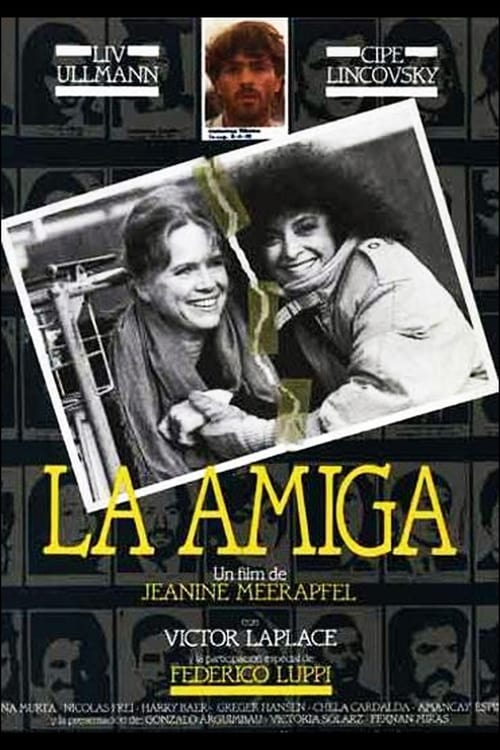
Jeanine Meerapfel
Runtime
110 minutes
Average Rating
No ratings yetNew Showbiz Analysis
Jeanine Meerapfel’s drama is a sophisticated exploration of state-sponsored violence through the lens of female solidarity. By focusing on the friendship between Raquel and Maria, the film delves into how political upheaval disrupts both professional and domestic lives. The film excels at portraying women as active resisters rather than passive victims. Through political risk-taking and grassroots investigation, the characters challenge the oppressive structures of the Argentine military junta. While the film offers a deep critique of institutional corruption and nationalistic myths, it lacks explicit representation of LGBTQ+ identities or disability. It remains a focused study of gendered resistance and sociopolitical trauma.
Category Breakdown
The film highlights the friendship between two women but does not depict same-sex relationships or non-straight identities.
The story centers on women's empowerment by contrasting their professional lives with domestic roles. Both characters evolve from potential victims into active resisters against a military junta.
Set in Argentina, the film examines how authoritarian regimes target specific social groups through the concept of the 'disappeared'.
The narrative challenges nationalistic myths and portrays state institutions as corrupt. It emphasizes grassroots collective action over traditional legal or religious structures.
The available information does not mention characters navigating physical, sensory, or neurodivergent disabilities.
Present on Screen
Limited or Absent
Official Synopsis
Since childhood, Raquel and Maria have been close friends. Now all grown-up, Raquel has fulfilled her dream of becoming an actress, while Maria has married a handyman, given birth to three children and runs the family household. In the wake of the Argentine military coup of 1976, Maria's oldest son Carlos is abducted. Desperate, Maria turns to her prominent friend for help. Yet the more Raquel gets involved in the search for Carlos, the more she becomes herself a target of the junta. Finally, she flees from Argentina to Berlin. Meanwhile Maria joins a group of women who investigate the fate of their disappeared relatives. In 1983, after the fall of the dictatorship, the two friends meet again.
2004
1985

2012

1979
1979
1982
2016

1987
No reviews yet. Be the first to share your thoughts on this movie!
Use the rating form above to leave a star rating and optional review.