You are here:

Immortal Hero

Immortal Hero

Representation Score

6.7/10

Good

2019

PG

Director

Hiroshi Akabane

Runtime

118 minutes

Average Rating

No ratings yet

New Showbiz Analysis

Immortal Hero is a character-driven spiritual drama that centers on a singular, heroic journey. It finds its strength in challenging secular norms by emphasizing spiritual ability to act and the tension between individual truth and social structures. However, the film lacks the complexity and demographic breadth necessary for a more progressive score. The narrative remains largely homogeneous, focusing on a traditional male-led arc within a specific cultural setting. Ultimately, while the film offers a unique perspective on spiritualism, it adheres to conventional dramatic structures and lacks visible representation for many underrepresented groups.

Watch this, not that →

Category Breakdown

Does Immortal Hero have LGBTQ+ representation?

Fair

The film does not include explicit representations of LGBTQ+ characters or non-cisgender identities. The story revolves around the protagonist's spiritual journey and his efforts to reconcile with his family.

How does Immortal Hero portray gender?

Fair

The narrative follows a traditional structure centered on a male protagonist's transformative journey. Female characters are part of the family but do not significantly influence the plot.

How racially and ethnically diverse is Immortal Hero?

Limited

Set in a Japanese context, the film features a Japanese protagonist and family. However, the story focuses on a homogeneous social unit without diverse racial blending.

How does Immortal Hero represent religion and culture?

Good

The film explores spirituality and subjective morality by emphasizing divine wisdom over secular skepticism. This approach challenges traditional Western secularism through the protagonist's spiritual insights.

Does Immortal Hero include disability representation?

Fair

A near-death experience serves as the catalyst for the protagonist's transformation. The narrative treats this physiological crisis as a source of new purpose and ability to act rather than a medicalized trauma.

Present on Screen

  • Challenges secular realism by prioritizing spiritualism and divine wisdom.
  • Uses a life-threatening crisis to give the protagonist new purpose and ability to act.
  • Explores the tension between individual spiritual truth and familial expectations.

Limited or Absent

  • Lacks visible representation of LGBTQ+ identities or queer subtext.
  • Relies on a traditional male-centric protagonist model with limited female influence.
  • Features a homogeneous social unit with little racial or ethnic diversity.

Official Synopsis

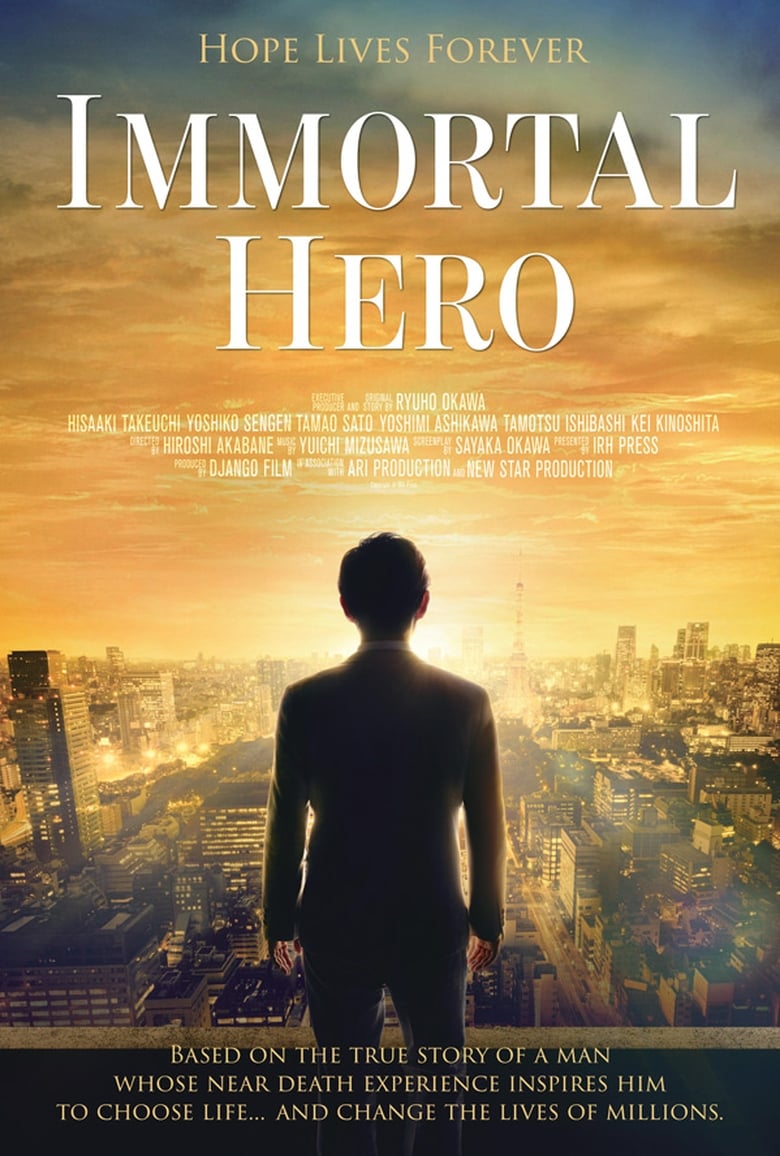
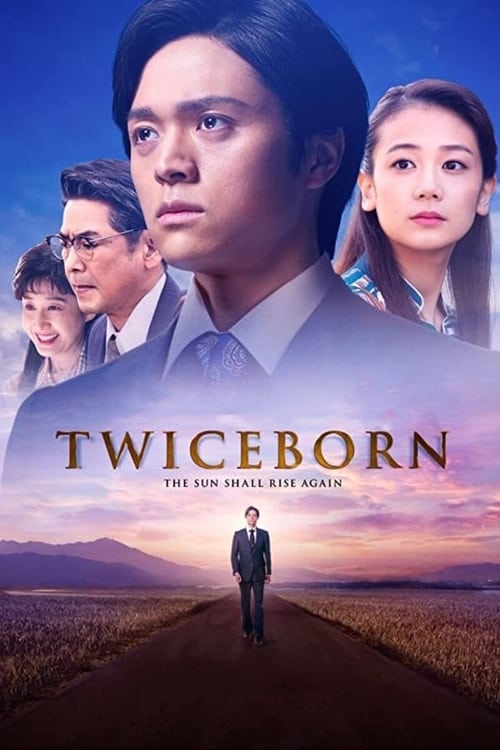
Makoto Mioya, a highly successful Japanese author and publisher, has a life-threatening, near-death experience. Powerful spiritual beings with whom he has communicated most of his adult life visit Makoto to remind him he has the power within to heal himself. Reborn, Makoto commits his life to sharing the almighty wisdom he receives from the spiritual realm. As doubters, including some of his own family, challenge and question his new-found ardor, Makoto must find a way to connect with his family and the ‘family of man’ to inspire a better world.

How are these scores produced? →

Where to Watch

Rate this Movie

No rating selected
Use arrow keys to select a rating from 1 to 5 stars
Optional text review, maximum 2000 characters
Tip: Wrap spoilers with ||double pipes|| to hide them
0/2000 characters
You must be signed in to submit a rating

Reviews

No reviews yet. Be the first to share your thoughts on this movie!

Use the rating form above to leave a star rating and optional review.