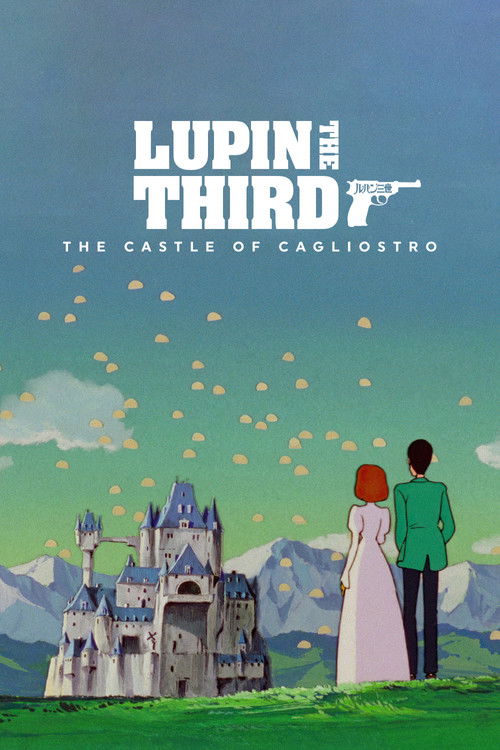
The Castle of Cagliostro
1979
No user ratings available yet
Representation score: 3.9 out of 10

Representation Score
Limited
1995
TV-PGDirector
Hayao Miyazaki
Runtime
50 minutes
Average Rating
No ratings yetNew Showbiz Analysis
Lupin the Third: Greatest Capers stands out for challenging traditional gender roles. Fujiko Mine acts as a strong female lead who defies typical masculine dominance, offering a model of female empowerment in the adventure genre. However, the film maintains traditional views on race and sexuality. The cast lacks significant racial diversity, and the romantic dynamics follow a strictly heterosexual pattern. Overall, the film subtly critiques institutional authority through the 'gentleman thief' motif, emphasizing individual ability to act over rigid social structures.
Category Breakdown
The film follows a traditional framework that assumes everyone is straight and cisgender. There are no visible signs of same-sex relationships or non-cisgender identities.
Fujiko Mine challenges traditional gender roles by taking a leading role in the story. She outmaneuvers the male characters and shows independence through her intelligence and autonomy.
The cast is mainly Japanese, reflecting the franchise's cultural roots. Despite the international setting, the characters mostly stay within their established ethnic identities without much racial mixing.
The story questions traditional authority by presenting criminal activities as an adventurous pursuit. It emphasizes individual rebellion and situational ethics over strict adherence to laws.
The film does not depict any visible or invisible disabilities. Characters are defined by the physical abilities needed for heist adventures.
Present on Screen
Limited or Absent
Official Synopsis
A compilation of two episodes from the second Lupin III television series that was released on video from Streamline Pictures.
1979

2019
1978

1996

2018

2008

2004

2003
No reviews yet. Be the first to share your thoughts on this movie!
Use the rating form above to leave a star rating and optional review.