Yomeddine
2018
No user ratings available yet
Representation score: 5.8 out of 10
Representation Score
Fair
2006
UnratedDirector
Rolf de Heer, Peter Djigirr
Runtime
90 minutes
Average Rating
No ratings yetNew Showbiz Analysis
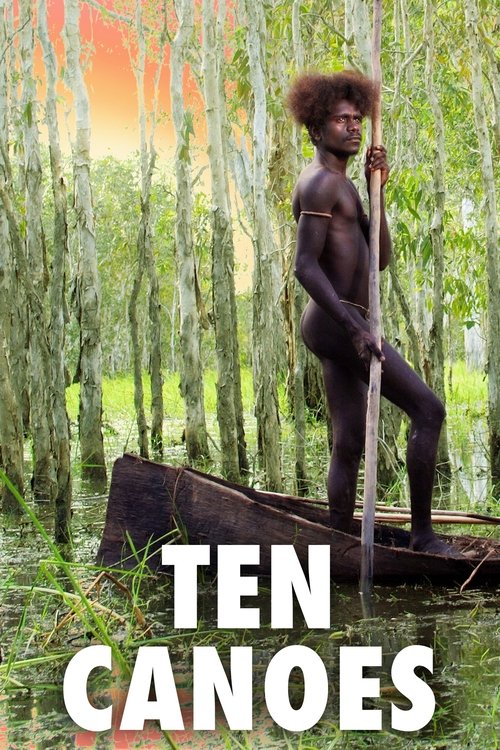
Ten Canoes is a landmark achievement in Indigenous storytelling, primarily due to its commitment to racial and cultural authenticity. By centering Yolngu languages and a nested, cyclical narrative structure, the film challenges Western-centric cinematic norms and reclaims the history of Arnhem Land. The production excels by presenting a non-Anglo-Saxon reality as the primary truth, avoiding the pitfalls of the colonial gaze. This approach elevates Aboriginal ability to act and provides a sophisticated model for authentic, non-linear storytelling. While the film does not engage with contemporary LGBTQ+ or disability issues, its strength lies in its deep respect for traditional social structures and communal survival. It serves as a powerful post-colonial text that challenges the perceived universality of Western social norms.
Category Breakdown
The film focuses on traditional courtship rituals and the preservation of customary tribal law. It does not include non-binary or same-sex romantic relationships.
The narrative highlights the specific roles and responsibilities of both men and women in Yolngu society. It presents women as integral to communal survival without relying on clichéd stereotypes.
This film is a powerful act of cultural reclamation, featuring an entirely Indigenous cast. By using only Yolngu languages, it successfully resists the influence of Western culture.
The story prioritizes Indigenous knowledge and ancestral wisdom over Western frameworks. Its focus on communal survival and seasonal rhythms counters individualistic values.
There are no characters with visible or invisible disabilities used as central plot devices.
Present on Screen
Limited or Absent
Official Synopsis
A story within a story within a story. In Australia's Northern Territory, an Aboriginal narrator tells a story about his ancestors on a goose hunt. A youngster on the hunt is being tempted to adultery with his elder brother's wife, so an elder tells him a story from the mythical past about how evil can slip in and cause havoc unless prevented by virtue according to customary tribal law.
2018
2004
2013
1931

2002

2015
2009
1998
No reviews yet. Be the first to share your thoughts on this movie!
Use the rating form above to leave a star rating and optional review.