Beneath Clouds
2002
No user ratings available yet
Representation score: 5.7 out of 10
Representation Score
Fair
2009
PG-13Director
Rachel Perkins
Runtime
85 minutes
Average Rating
No ratings yetNew Showbiz Analysis
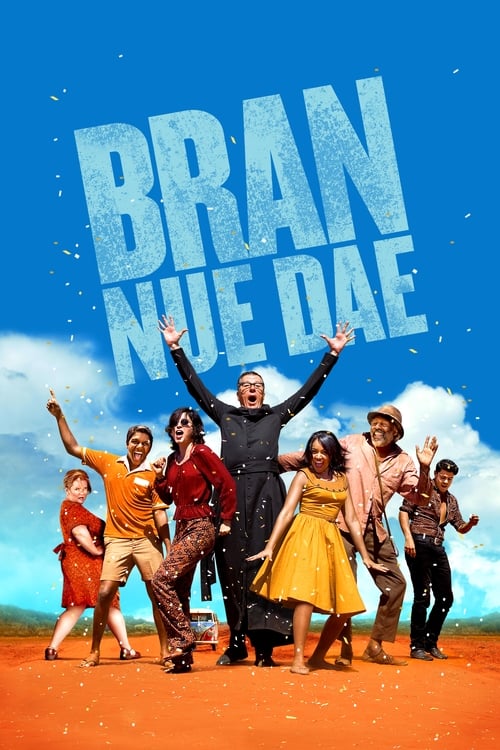
Bran Nue Dae is a powerful work of cultural reclamation that challenges colonial narratives. By centering Indigenous ability to act, the film moves beyond mere representation to actively confront the systemic pressures of missionary institutions. While the film lacks depth in LGBTQ+ or disability representation, its profound deconstruction of Western institutional authority makes it a highly progressive piece of storytelling.
Category Breakdown
The film follows a conventional romantic storyline without highlighting LGBTQ+ identities or critiquing the assumption that everyone is straight. There is no explicit LGBTQ+ representation.
Female characters play a significant role in challenging traditional gender roles. They exert control through communal support and maternal influence within the family structure.
The film centers an almost entirely Indigenous Australian cast, celebrating Aboriginal identity, language, and joy through a color-first approach. It avoids whitewashing and highlights Indigenous ability to act.
The narrative provides a sophisticated critique of Western institutions, framing the Catholic mission system as a force that constrains traditional life. It challenges familiar patterns of institutional authority.
There is no significant portrayal of visible or invisible disabilities within the narrative.
Present on Screen
Limited or Absent
Official Synopsis
In the Summer of 1965 a young man is filled with the life of the idyllic old pearling port Broome - fishing, hanging out with his mates and his girl. However his mother returns him to the religious mission for further schooling. After being punished for an act of youthful rebellion, he runs away from the mission on a journey that ultimately leads him back home.
2002

2004

2000

1998
2015

2010

2017
1994
No reviews yet. Be the first to share your thoughts on this movie!
Use the rating form above to leave a star rating and optional review.